


 Posted an update: 2026-4-1 13:41:17 109
In ancient China, the face was a canvas for culture. From the bold "butterfly" lips of the Tang to the delicate "pearl" makeup of the Song, Hanfu makeup is an essential part of the traditional aesthetic.
Hanfu Makeup: The Evolution of Traditional Beauty Standards Across Dynasties
Hanfu makeup is not just about cosmetics; it is a reflection of the social values and artistic trends of each era. Throughout the dynasties, Chinese women (and sometimes men) used lead powder, cinnabar, and floral pigments to create looks that ranged from the ethereal to the dramatic. Understanding these styles is key to achieving a truly authentic Hanfu look.
1. The Tang Dynasty: Bold Colors and Huadian Art
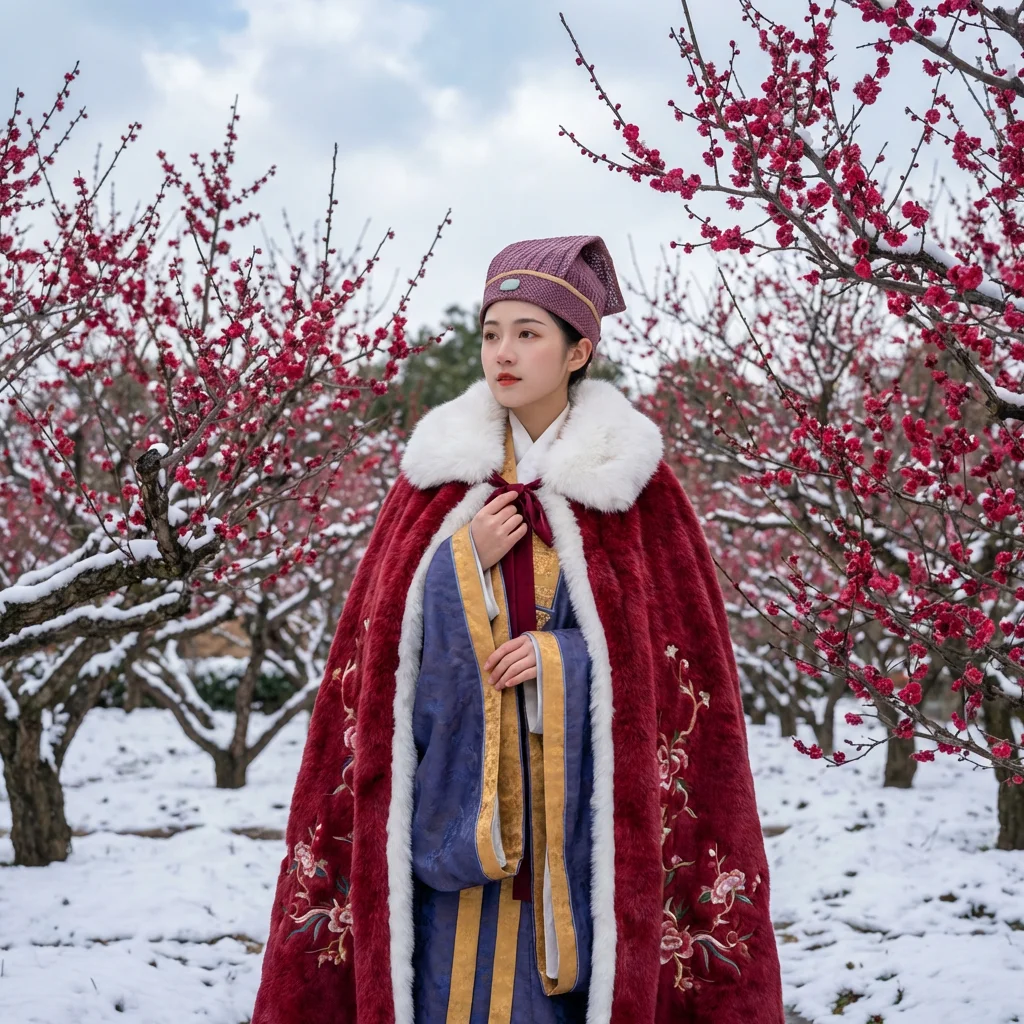
The Tang Dynasty was a time of great confidence and openness, reflected in its makeup. The Huadian—a decorative mark on the forehead made of gold foil, paper, or painted pigments—became a signature. Women also favored "dimples" (Mianye) painted near the corners of the mouth and bold, red lip shapes that resembled flower petals or butterflies.
2. The Song Dynasty: Elegance, Restraint, and Pearl Makeup
By the Song Dynasty, beauty standards shifted toward a more refined and scholarly aesthetic. Pearl Makeup (Zhen-zhu-zhuang) became popular among the elite, where real pearls were pasted onto the temples, forehead, and chin. This style emphasized a pale, flawless complexion and a subtle, "no-makeup" look that whispered of inner cultivation rather than outward display.
3. The Ming Dynasty: The Rise of the "Dignified" Look
Ming Dynasty makeup returned to a more structured and dignified style. Eyebrows became thinner and more naturally curved, and the use of rouge was more restrained. The overall goal was to create a look of health and composure, perfectly complementing the more structured and layered robes of the era. This "classical" look remains one of the most popular for modern Hanfu photography.
4. Essential Elements: Forehead, Cheeks, and Lips
Traditional Chinese makeup focused on three main areas: the white powder (Fen) for a fair base, vermilion rouge (Zhi-zhia) for the cheeks, and floral pigments for the lips. Lips were rarely colored entirely; instead, pigments were applied to the center to create a "cherry" or "petal" effect, which was considered the height of femininity.
5. FAQ: Achieving a Modern Hanfu Makeup Look
Do I have to use traditional lead powder?
Absolutely not! Modern cosmetics are safer and much more effective. You can use your regular foundation, eye shadow, and lipstick to recreate dynastic looks—just focus on the specific shapes and placements of the era you are channeling.
How do I apply a Huadian?
You can use temporary tattoo stickers, paint it on with a fine brush and liquid lipstick, or use specialized Huadian stickers that are widely available in Hanfu stores.
Which style is best for a beginner?
The Ming or Song styles are the easiest for beginners because they are closer to modern "natural" makeup. The Tang style is more challenging but incredibly fun for photo shoots!
6. Conclusion
Makeup is the bridge that connects the wearer to the spirit of a dynasty. Whether you choose the bold reds of the Tang or the delicate pearls of the Song, your face becomes a living tribute to the history of Chinese beauty. By mastering these traditional looks, you don"t just wear Hanfu—you become a living painting of the past.
Ready for the world stage? Next, we explore the global Hanfu movement and its impact on modern culture!