About
Overview
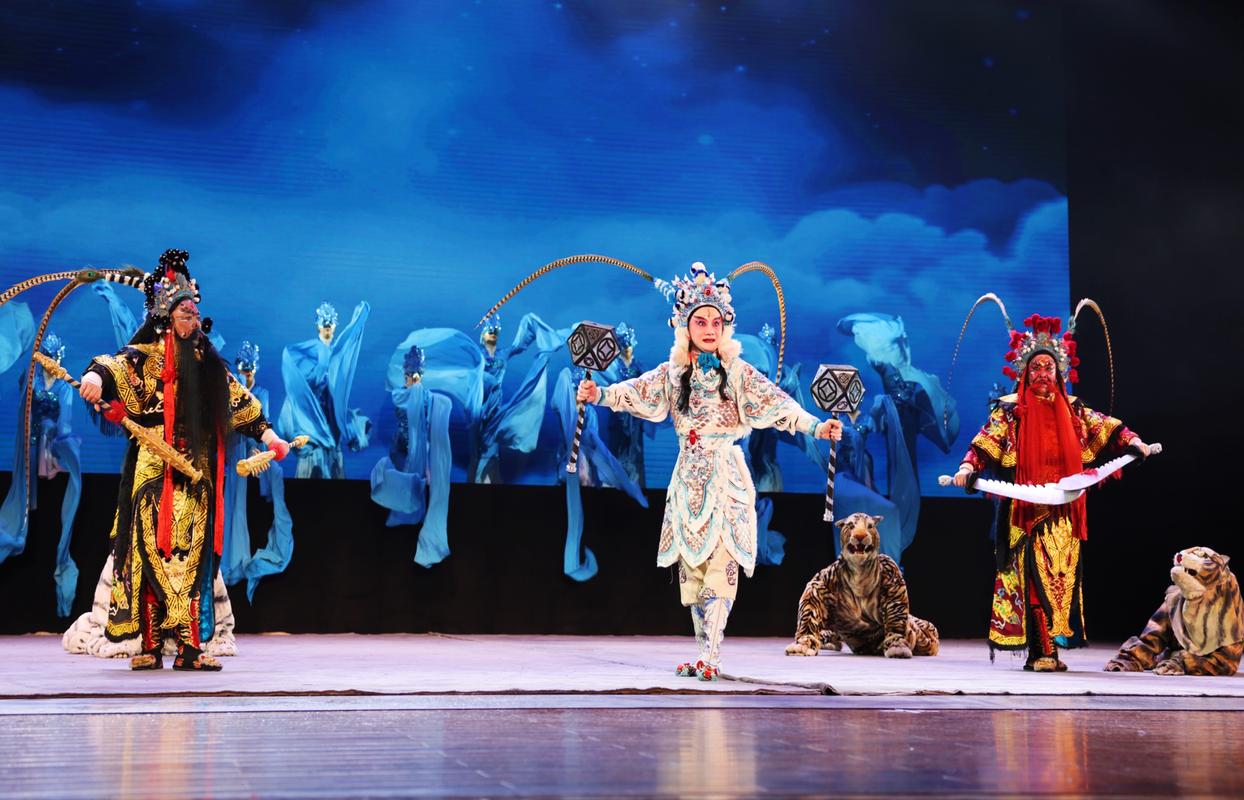
Peking Opera represents a vital form of Chinese performing arts, combining technical skill, artistic expression, and cultural narrative into compelling theatrical experiences. This tradition preserves and transmits cultural values through the powerful medium of live performance.
Historical Background
Peking Opera emerged from the rich soil of Chinese folk traditions and court entertainment, developing over centuries into the sophisticated art form recognized today. Historical records document performances dating back to ancient times, with continuous refinement through successive dynasties. The art form absorbed influences from various regions and social classes, creating a comprehensive theatrical tradition.
Cultural Significance
Peking Opera serves as a living repository of Chinese cultural memory, preserving stories, values, and aesthetic principles through performance. The rigorous training required to master these arts cultivates discipline, physical control, and artistic sensitivity. These performances continue to engage audiences with their combination of technical virtuosity and emotional power.
Legacy and Development
Today, Peking Opera continues to be practiced and appreciated both in China and internationally, as recognition grows of its cultural importance and artistic value. Contemporary practitioners work to preserve traditional methods while exploring new applications and expressions. Educational programs, museum exhibitions, and cultural institutions play vital roles in ensuring that this precious heritage is transmitted to future generations. The ongoing vitality of Peking Opera demonstrates the enduring relevance of traditional Chinese culture in the modern world.
Origin
Beijing & Anhui Province
Period
Tang Dynasty (618-907 CE) to Present
Masters
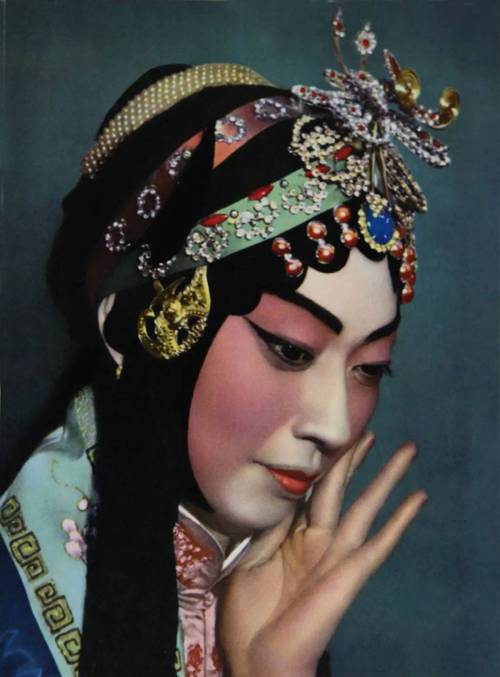
Mei Lanfang
Master of Peking Opera, Founder of Mei School (梅派创始人)
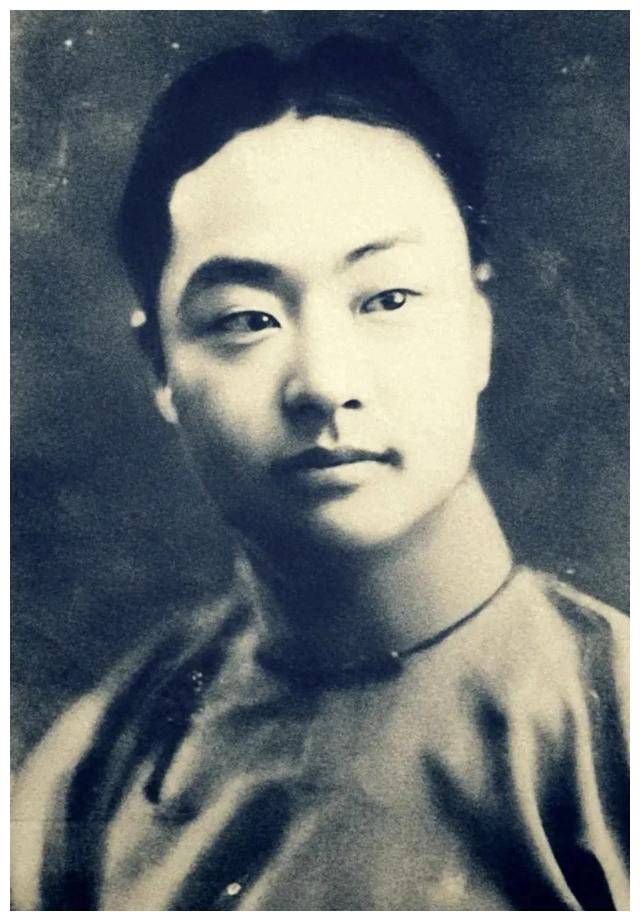
Cheng Yanqiu
Master of Peking Opera, Founder of Cheng School (程派创始人)
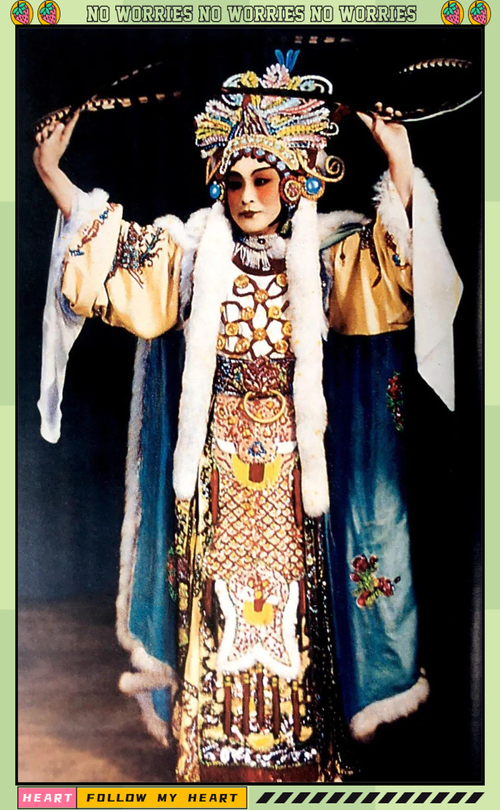
Shang Xiaoyun
Master of Peking Opera, Founder of Shang School
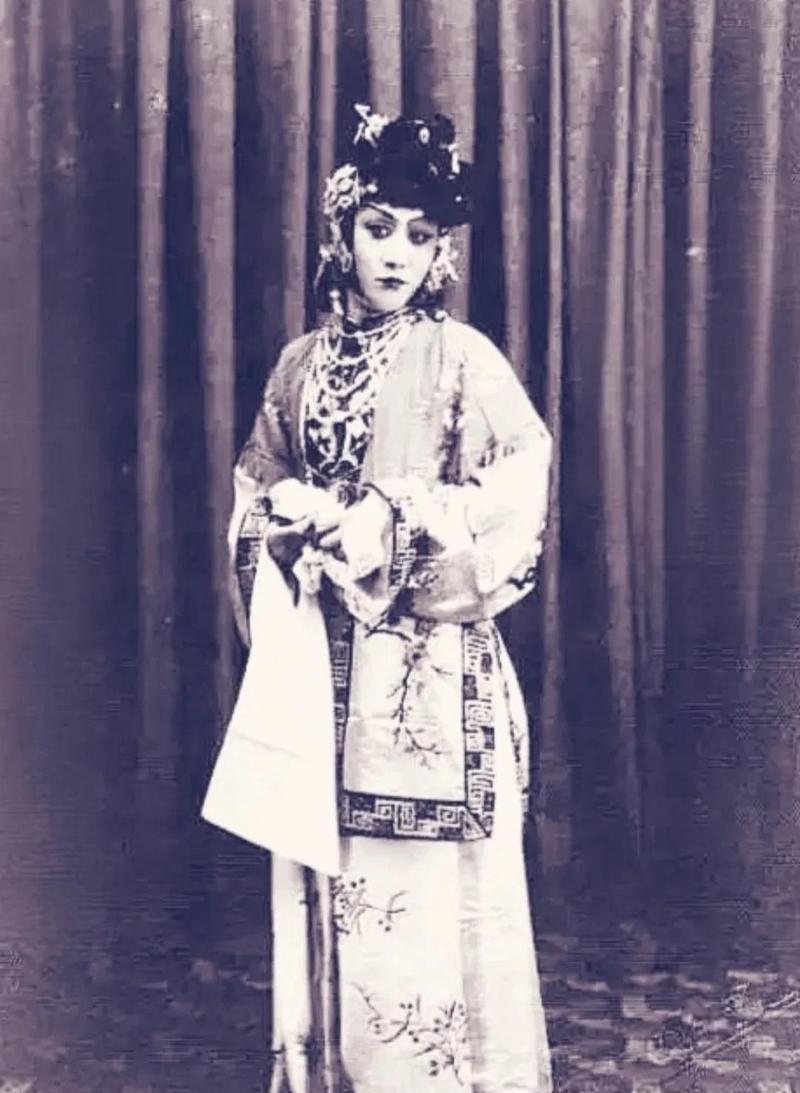
Xun Huisheng
Master of Peking Opera, Founder of Xun School
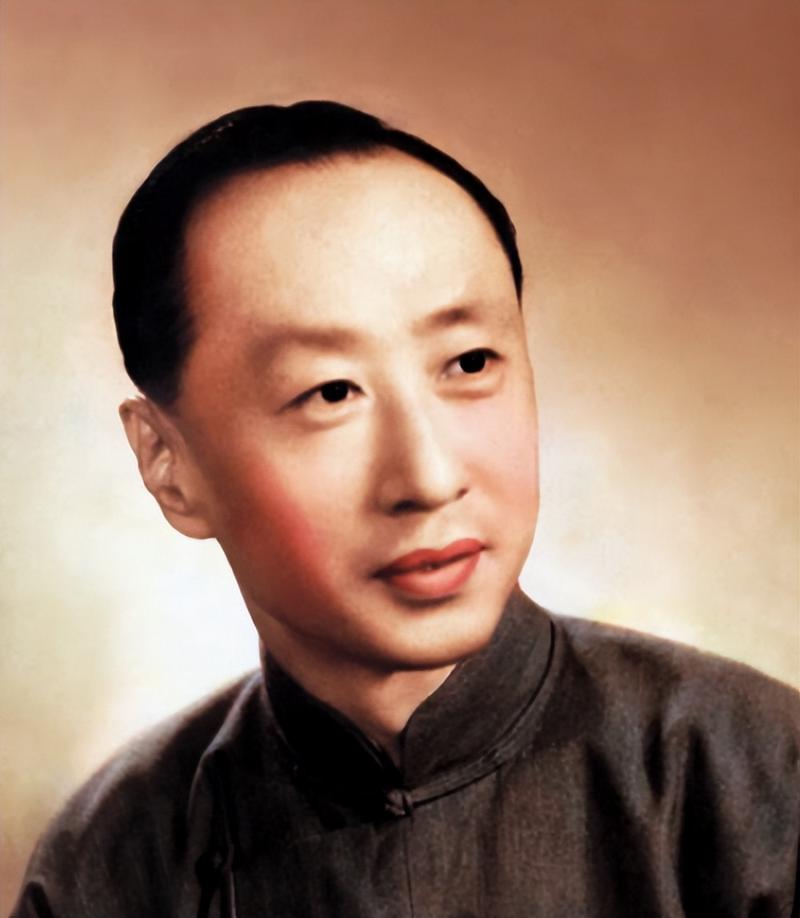
Ma Lianliang
Master of Peking Opera, Founder of Ma School, Leader of Four Great Lao Sheng
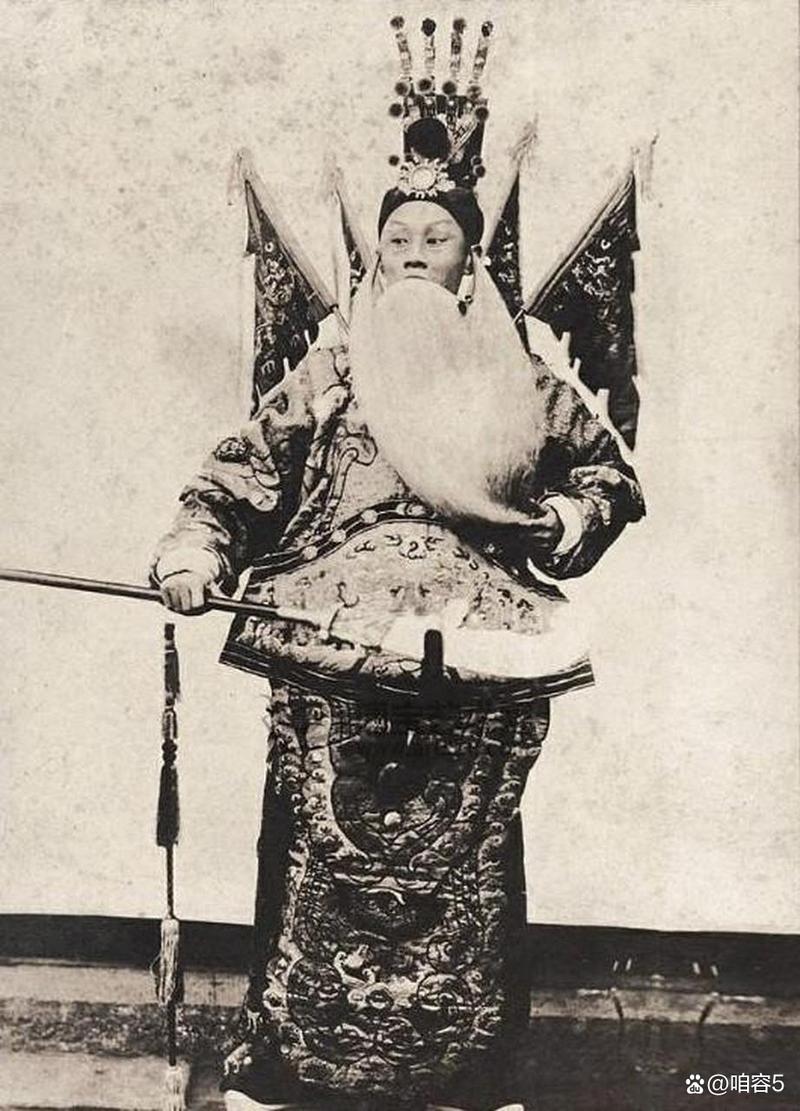
Tan Xinpei
Founder of Lao Tan School, 'King of Actors', 'Little Calling Sky'