About
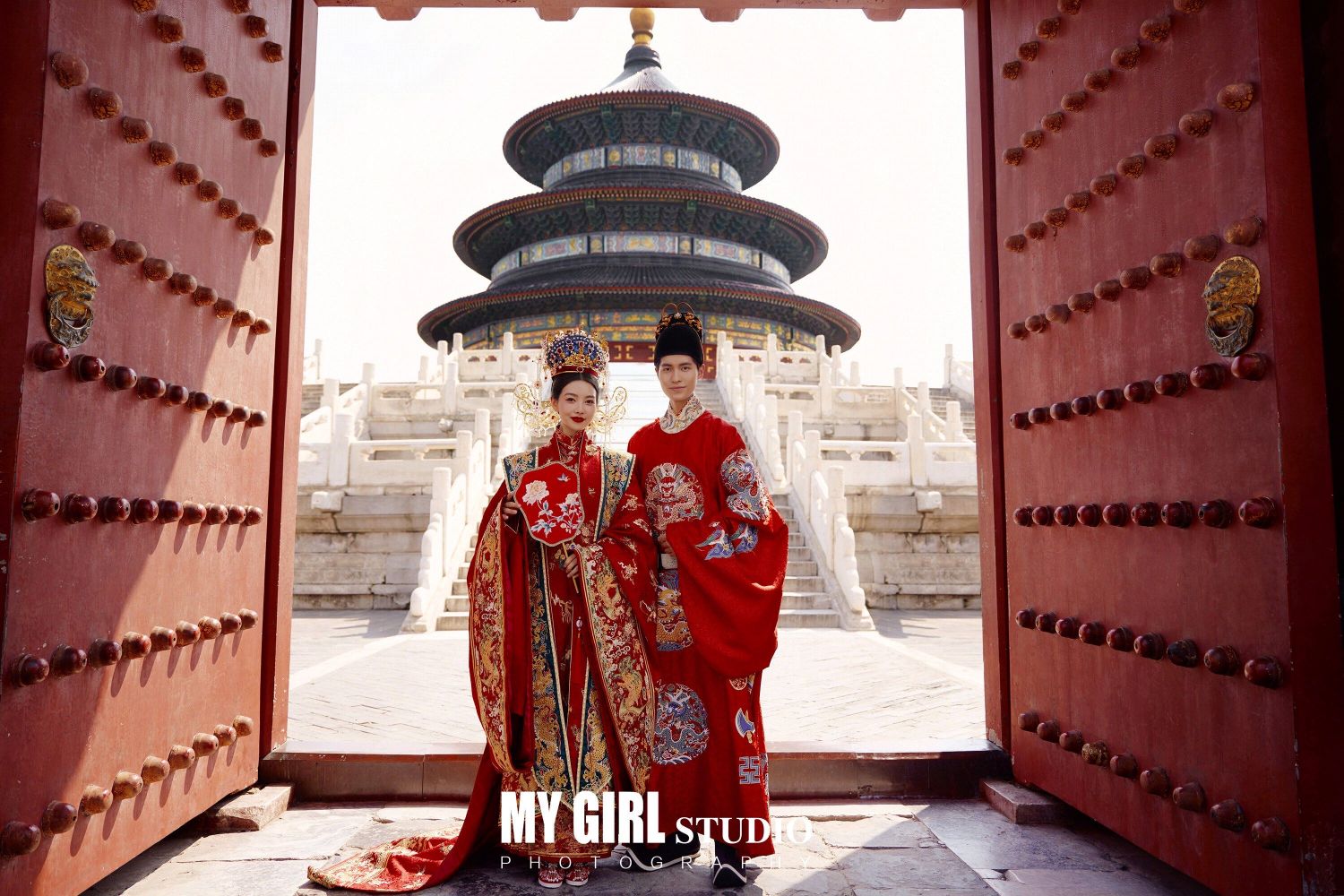
Hanfu, the traditional clothing of the Han Chinese ethnic group, is a complete clothing system with a history of over 3,000 years. It is not a single garment, but a set of elegant, ritualistic, and culturally rooted costumes that embody Chinese aesthetics, etiquette, philosophy, and national identity. In recent decades, the Hanfu Revival Movement has spread globally, making Hanfu a symbol of traditional Chinese culture and Eastern beauty.
Definition & Core Concept
Hanfu literally means “clothing of the Han people”. It refers to the traditional costumes worn by the Han Chinese from ancient times until the late Ming Dynasty, before the Qing Dynasty’s mandatory dress reform. Unlike cheongsam or tang suit (modernized costumes), Hanfu follows ancient Chinese dress codes, tailoring principles, and aesthetic traditions, featuring crossed collars, right lapel, wide sleeves, and tied belts.
Hanfu’s core spirit is “harmony between heaven and man”—loose and flowing cuts respect the body’s natural state; elegant lines reflect Confucian etiquette and Taoist simplicity. It is both daily wear and ceremonial dress, representing the Chinese people’s pursuit of beauty, ritual, and virtue.
History: Evolution Through Dynasties
Hanfu evolved alongside Chinese civilization, with distinct styles in each dynasty:
1. Pre-Qin Period (Before 221 BCE) – Origin & Foundation
The earliest form of Hanfu, the “Shenyi” (deep garment), appeared. It was a one-piece robe with a crossed collar, right lapel, and tied waist, symbolizing integrity and ritual. Nobles wore elaborate robes; commoners wore simple linen garments.
2. Han Dynasty (206 BCE–220 CE) – Formation & Popularity
Hanfu matured. The main styles were Qufu (curved robe) and Zhiju (straight robe). Wide sleeves, elegant belts, and layered fabrics became iconic. The Hanfu system was standardized, laying the foundation for later dynasties.
3. Wei-Jin & Northern-Southern Dynasties (220–589 CE) – Elegance & Integration
Influenced by metaphysics and Buddhism, Hanfu became looser, lighter, and more ethereal. The Ruqun (top + skirt) for women and Zhiduo (loose robe) for men became popular.
4. Tang Dynasty (618–907 CE) – Golden Age & Splendor
Tang Hanfu is the most famous style worldwide. Women’s Ruqun featured low necklines, wide sleeves, long flowing skirts, and rich colors, reflecting the dynasty’s openness and prosperity. Men wore Yuanlingpao (round-collared robe) for formal occasions.
5. Song Dynasty (960–1279 CE) – Simplicity & Elegance
Song Hanfu emphasized modesty, simplicity, and refinement. Women’s Beizi (long loose jacket) and Qunshan (skirt) were elegant and understated. Men’s robes were narrow and neat, reflecting the literati’s scholarly temperament.
6. Ming Dynasty (1368–1644 CE) – Peak & Perfection
Ming Hanfu is the most systematic and complete style. It retained ancient traditions while adding practical details. Key styles: Aoqun (jacket + skirt) for women, Zhishen (long robe) and Pifeng (cloak) for men. Ming Hanfu is the main reference for modern Hanfu revival.
7. Modern Revival (21st Century)
After the Qing Dynasty’s dress ban, Hanfu faded for centuries. In the early 2000s, young people launched the Hanfu Revival Movement. Today, Hanfu is worn daily, for festivals, ceremonies, and cultural events, with millions of enthusiasts worldwide.
Core Styles & Garments
Hanfu has two main categories: men’s wear and women’s wear, with common styles:
Women’s Hanfu
- Ruqun: Short top + long skirt (Tang style is low-cut; Han/Song style is high-waisted).
- Aoqun: Jacket + skirt (Ming style, most common modern style).
- Beizi: Long, loose, open-front jacket (Song/Ming style, elegant and versatile).
- Qipao (not cheongsam): Ancient long robe, precursor to modern cheongsam.
- Mianfu: Ceremonial dress for major rituals (weddings, festivals).
Men’s Hanfu
- Zhishen: Long robe, daily/formal wear.
- Yuanlingpao: Round-collared robe, formal/official wear.
- Zhiduo: Loose casual robe, daily wear.
- Shenyi: One-piece ceremonial robe, ancient ritual wear.
- Pifeng: Cloak, outerwear for cold weather.
Key Features
- Crossed Collar & Right Lapel: The most iconic mark—collar crosses right over left, symbolizing Chinese culture.
- Wide Sleeves: Elegant, flowing, representing grace and modesty.
- Tied Belts: No buttons; tied with silk belts or sashes, adjustable and elegant.
- Layered Design: Inner, middle, outer layers, both beautiful and practical.
Cultural Meaning
- Etiquette & Virtue: Hanfu’s design reflects Confucian values—modesty, respect, propriety.
- Aesthetic Philosophy: Loose cuts and natural fabrics embody “simplicity is beauty” and harmony with nature.
- Cultural Identity: Hanfu is a tangible symbol of Chinese civilization, representing national pride and cultural confidence.
- Ritual & Ceremony: Worn for weddings, coming-of-age ceremonies, festivals, and ancestor worship, connecting modern people to ancient traditions.
Modern Revival & Global Influence
- Daily Wear: Young people wear Hanfu for work, travel, and social events.
- Festivals: Worn during Spring Festival, Mid-Autumn Festival, and Dragon Boat Festival.
- Cultural Events: Featured in museums, exhibitions, and traditional ceremonies.
- Global Spread: Hanfu enthusiasts exist in Europe, America, and Asia, becoming a global symbol of Eastern aesthetics.
Conclusion
Hanfu is not just clothing—it is a living cultural heritage, a flowing poem of Chinese aesthetics, and a bridge connecting ancient traditions to modern life. With elegant lines, profound meaning, and timeless beauty, Hanfu carries the soul of the Han people, shining as a bright pearl in the world’s traditional clothing culture.
Masters
Guides

Hanfu: More Than Just 'Ancient Costume' - A Complete Guide to Chinese Traditional Clothing
Introduction: What Are We Talking About When We Discuss Hanfu? In recent years, whether on bustling city streets, in cl...
The Origin and Development of Hanfu: From Pre-Qin to Modern Times
Pre-Qin Period: The Foundation of the Clothing System The ritual source of the Hanfu system can be traced back to the l...
The Four Basic Forms of Hanfu: Garment-Skirt, Deep Garment, Robe, and Ruqun
The term 'form' in Hanfu is similar to what people today call 'style,' but when discussing Hanfu, we use 'form' rather t...
Hanfu Styles Through the Dynasties: Han Elegance, Tang Grandeur, Song Simplicity, and Ming Refinement
The elegance of Han, the grandeur of Tang, the simplicity of Song, and the refinement of Ming... This article takes you...
Hanfu Culture and Cultural Confidence: Why True Culture Doesn't Need to Be Stolen
At the 22nd Cultural Expo, the Hanfu exhibition area was the undisputed流量担当. Every Hanfu displayed here has a name a...
Ming Dynasty Official Dress Code: The Origin of 'Clothes and Hats as Beasts'
As a country of clothing and crowns, ancient Chinese dressing was not only about the body but also about the head. Unlik...