


 Posted an update:
 In China, a needle is more than a tool—it is a paintbrush. For thousands of years, the "Four Famous Embroideries" have captured the beauty of nature and the spirit of the people in every fine silk stitch.
The Four Famous Embroideries of China: A Guide to Su, Xiang, Yue, and Shu
Chinese embroidery (Ci-xiu) is one of the oldest and most refined art forms in the world. While every province has its own unique style, four regional traditions have risen to the top as the masters of the craft. Known as the "Four Famous Embroideries," Su, Xiang, Yue, and Shu represent the ultimate achievement in silk artistry, each with its own distinct personality and technical brilliance.
1. Su Embroidery: The Infinite Detail of Suzhou
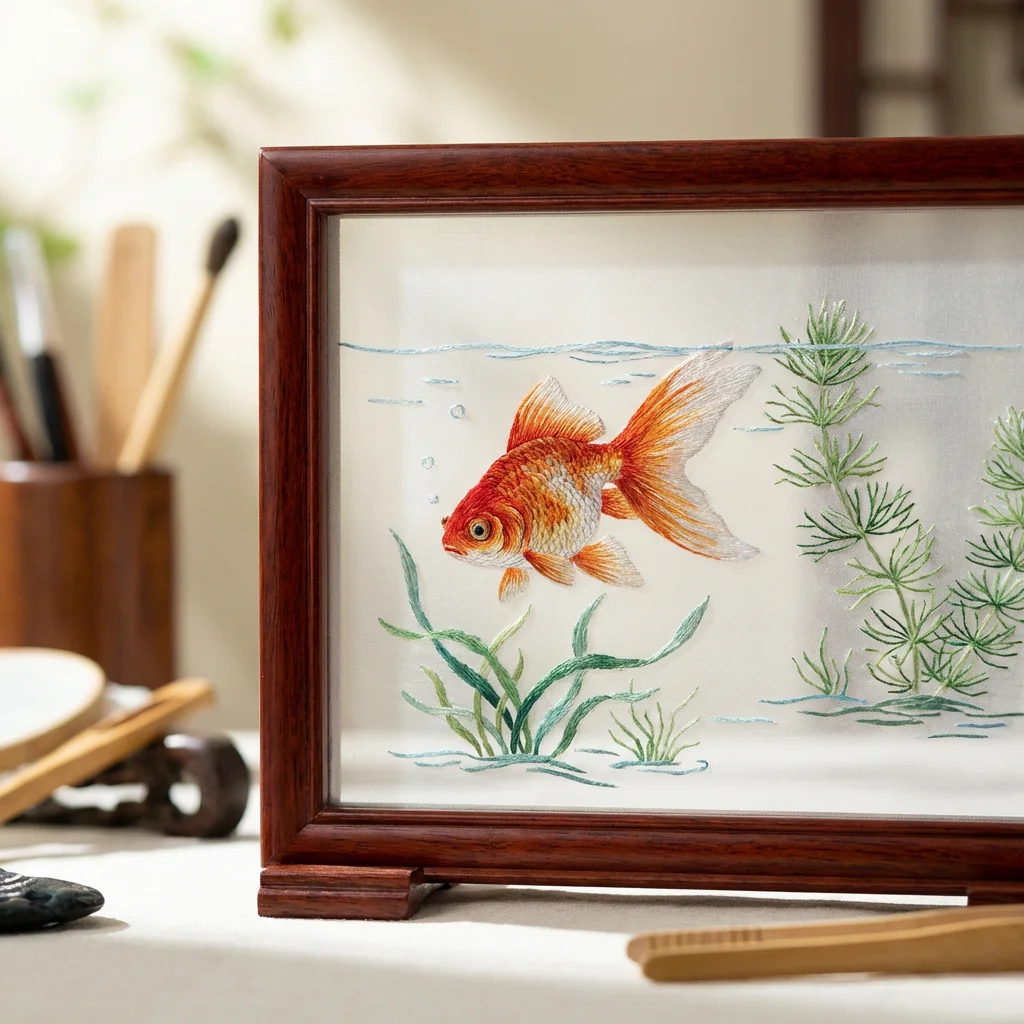
Hailing from Suzhou, Su Embroidery is famous for its delicacy and "double-sided" technique. It uses silk threads that are split into dozens of hair-thin strands, allowing for transitions of color so smooth they look like oil paintings. Its hallmark is the "Double-Sided Embroidery," where two different images are embroidered on opposite sides of a single translucent silk screen, showing no visible knots on either side.
2. Xiang Embroidery: The Life-like Animals of Hunan
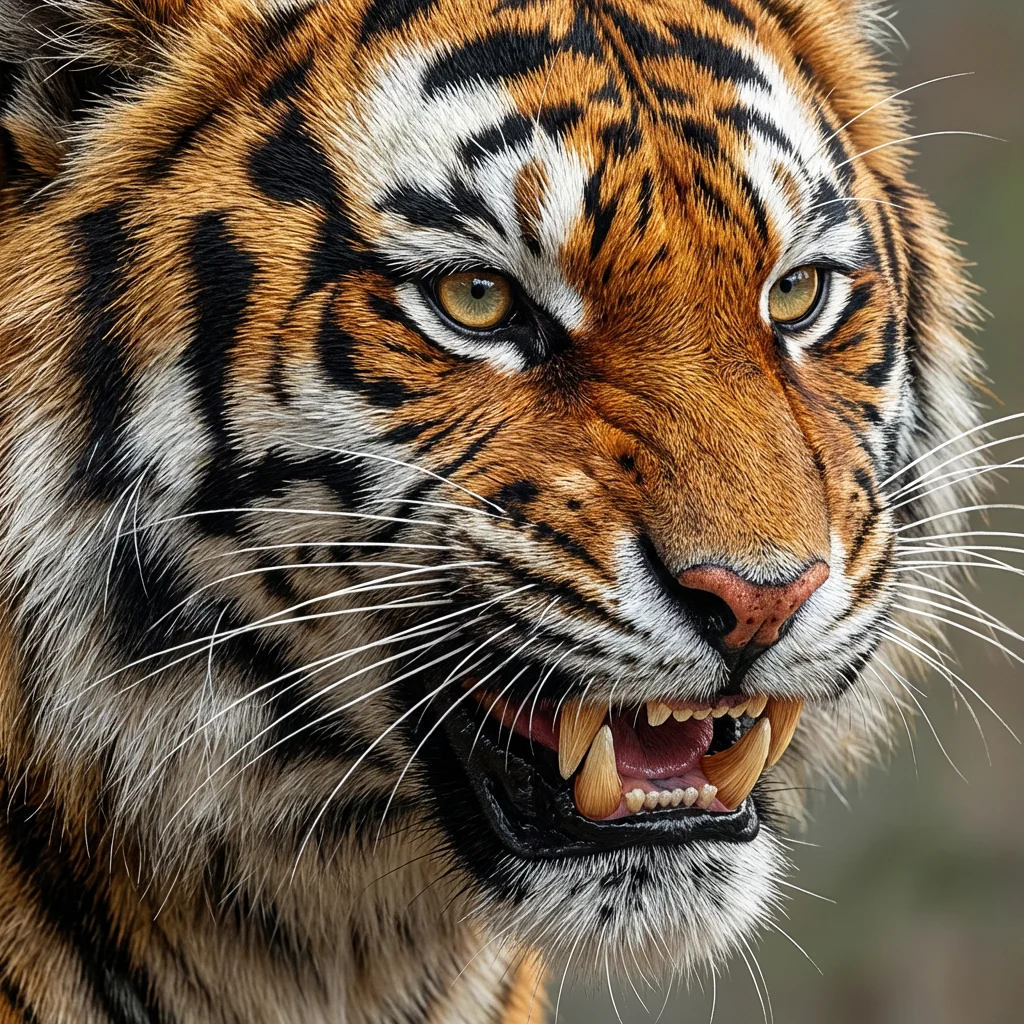
Xiang Embroidery from Hunan Province is noted for its vivid, almost photorealistic depictions of animals—especially lions and tigers. Artisans use a "hairy stitch" technique that captures the texture and sheen of fur with incredible accuracy. The result is a piece of art that looks like it might leap off the silk at any moment, full of energy and raw natural power.
3. Yue Embroidery: The Vibrant Colors of Guangdong
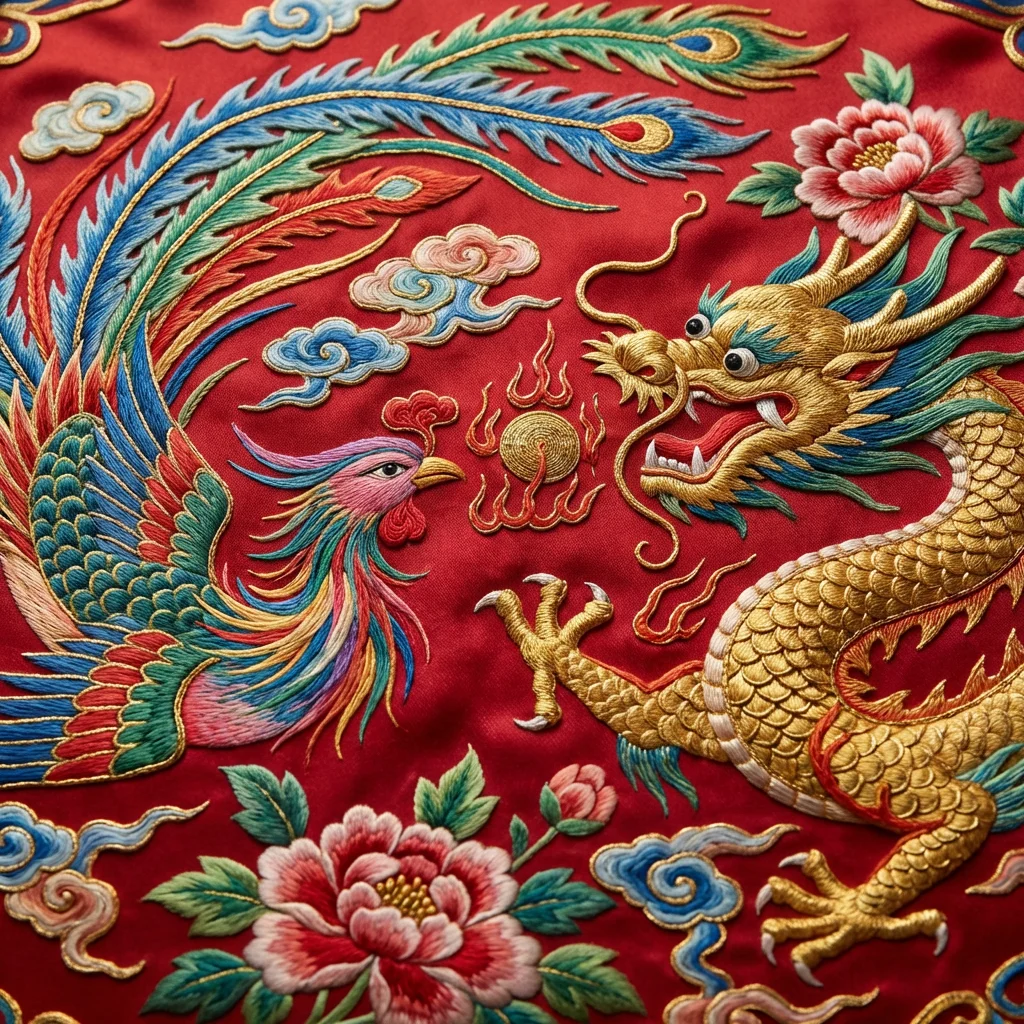
Also known as Cantonese Embroidery, Yue Embroidery is characterized by its bold, symmetrical designs and vibrant, sun-drenched colors. It often features motifs of the "Hundred Birds Paying Homage to the Phoenix" and uses gold and silver threads to add a sense of luxury and depth. Its three-dimensional feel and rich textures make it a popular choice for theatrical costumes and ceremonial robes.
4. Shu Embroidery: The Smooth Heritage of Sichuan
Shu Embroidery from Sichuan is the oldest of the four. It is known for its smooth, bright silk and its use of a wide variety of stitch types—over 100 in total. Shu pieces are famous for their durability and their "flowery" appearance, often depicting scenes of traditional landscapes, pandas, and intricate floral patterns that reflect the lush environment of the Sichuan basin.
5. FAQ: Identifying the Four Famous Embroideries
Which embroidery is the most expensive?
Generally, top-tier Su Embroidery is the most expensive due to the extreme labor involved in splitting silk threads and creating double-sided masterpieces. A single large piece can take a master artisan years to complete.
How can I tell them apart?
Look for the themes: Su is for fine details and double-sided work; Xiang is for realistic animals; Yue is for bold colors and gold threads; Shu is for smooth textures and traditional scenery.
Are these still made by hand?
Yes, while machine embroidery exists, authentic "Four Famous" pieces are strictly handmade by skilled artisans using traditional silk threads and needles.
6. Conclusion
The "Four Famous Embroideries" are more than just crafts; they are the cultural fingerprints of China’s diverse regions. They remind us that even in an age of machines, the human hand can still create something that is truly magical. Whether you admire the precision of Su or the power of Xiang, each stitch is a tribute to the enduring beauty of Chinese art.
Fascinated by the details? Next, we take a deep dive into the world of Su Embroidery and the mystery of the double-sided stitch!