Beyond Red: The Evolution of Paper Art
Traditional paper cutting (Jianzhi) is famously red, but the modern evolution of the craft is breaking all boundaries. Today"s "Paper Artists" are using the principles of negative space and rhythmic lines to create large-scale installations and digital works that transcend the traditional medium of paper.
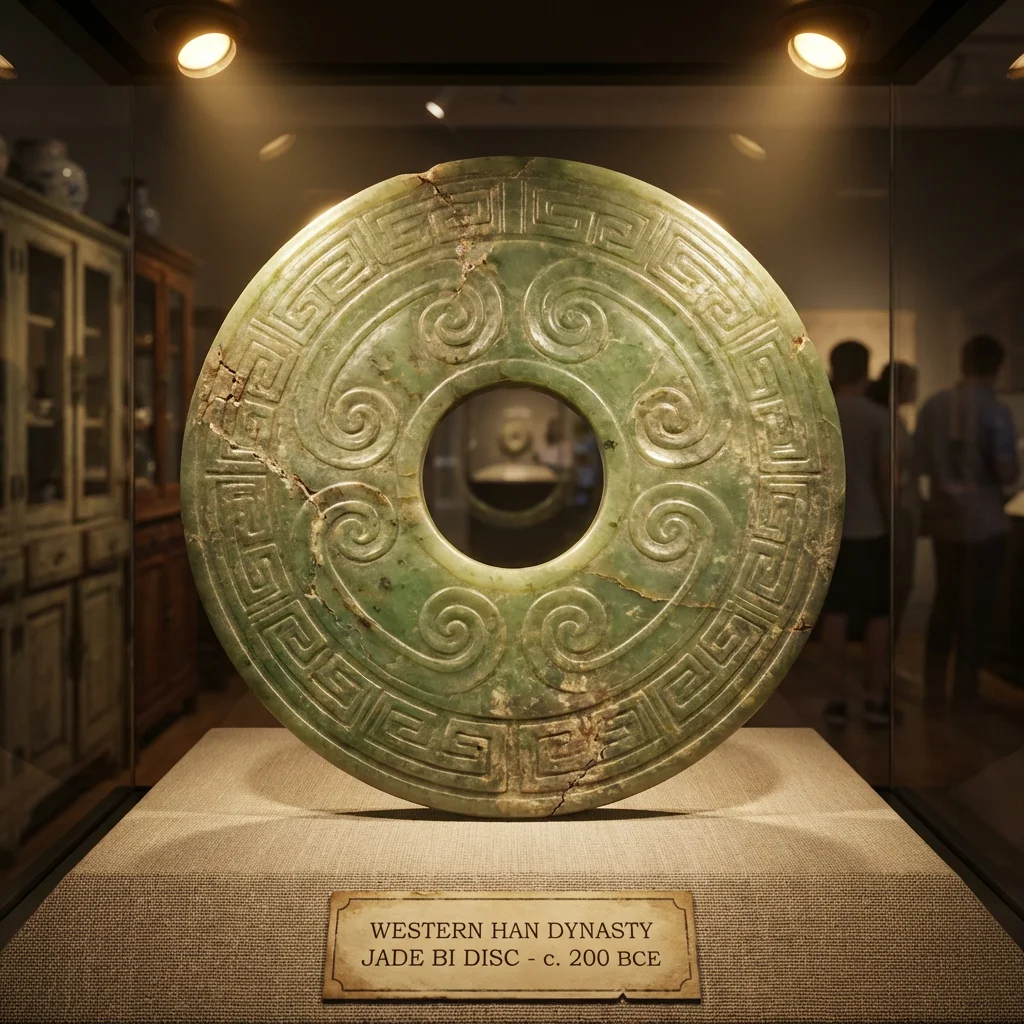
Exploring New Media: Metal, Acrylic, and Leather
By translating paper-cut patterns into more durable materials like laser-cut steel or molded acrylic, artists are bringing the "Jianzhi" aesthetic into the worlds of architecture and industrial design. These new materials allow the intricate patterns to be used in ways that fragile paper never could, such as building facades and interior lighting.
Paper Cutting in Motion: Animation and Digital Art
The distinct visual language of paper cutting has found a natural home in modern animation. By layering digital "cut-outs" and using the sharp, clean edges characteristic of the craft, animators can create a sense of depth and folklore that is both modern and deeply rooted in tradition.
The Global Influence of Paper-Cut Aesthetics
The global art and design world is increasingly looking to Chinese paper cutting for inspiration. Its emphasis on clarity, symbol, and the harmonious relationship between "full" and "empty" space is a timeless design philosophy that continues to resonate across cultures and media.
Frequently Asked Questions
What is "Digital Paper Cutting"?
This refers to creating paper-cut-style designs using vector software. These designs can then be used for high-end graphic branding, web design, or as instructions for laser-cutting machines, allowing for extreme precision and scalability.
Are traditional paper cuts still relevant?
More than ever! The authenticity and "imperfect" soul of a hand-cut paper piece provide a powerful human connection that digital versions cannot fully replicate. Traditional paper cuts are now being treated as fine art pieces for modern galleries.
How is the scale increasing in modern paper art?
Modern artists are creating massive installations that can fill entire gallery rooms or even wrap around buildings. These large-scale works allow the viewer to literally walk *through* the art, experiencing the play of light and shadow on a grand scale. | 



 Posted an update: