


 Posted an update:
 Hand-woven hemp fabric is characterized by its unique texture—a subtle irregularity that tells the story of its human creator. Historically, this fabric was the backbone of Chinese apparel, prized for its ability to keep the wearer cool in humid summers and warm in winters.
Table of Contents
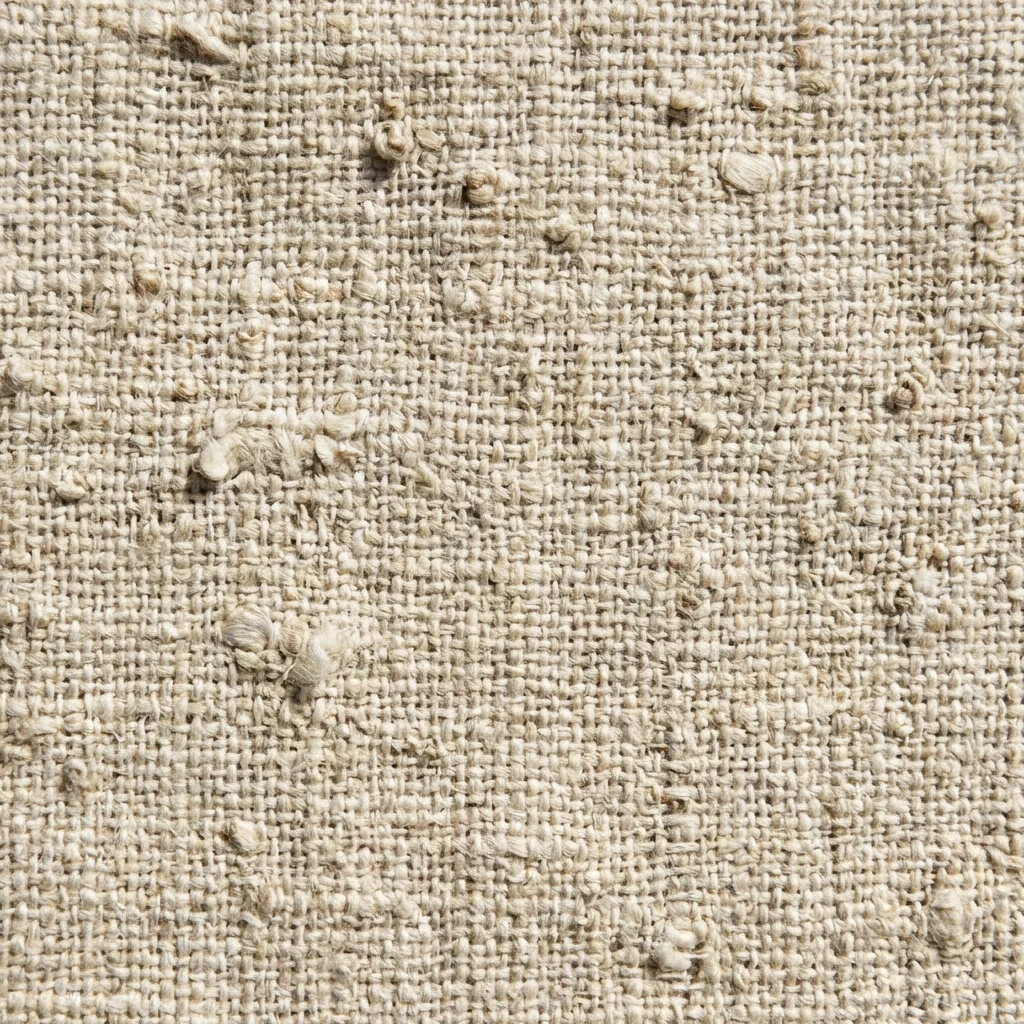
1. The Art of the Backstrap Loom
In rural China, hemp is often woven on narrow backstrap looms or traditional wooden treadle looms. The width of the fabric is usually limited to about 30-40 cm, reflecting the ergonomic reach of the weaver. This constraint led to the iconic construction of traditional Chinese tunics, which use rectangular panels and minimal waste.
2. Natural Properties
Hemp fabric is naturally antimicrobial and antifungal. Its hollow fibers make it highly absorbent and breathable, allowing for excellent moisture-wicking. Unlike synthetic fabrics, hemp becomes softer and more comfortable with every wash, often outlasting cotton by several decades.
3. Indigo and Hemp
Hemp has a natural affinity for organic dyes, particularly indigo. The deep, multi-tonal blues achieved through repeated dipping in indigo vats create a stunning contrast with the rustic texture of the hemp. In Southwest China, these indigo-dyed hemp fabrics are often further decorated with wax-resist (batik) patterns.
4. Frequently Asked Questions
Q: Does hemp fabric wrinkle easily?
A: Yes, like linen, pure hemp wrinkles. However, the wrinkles are part of its natural charm and contribute to the "breathable" feel of the garment.
Q: Is hemp fabric suitable for winter?
A: When woven densely or layered, hemp provides good insulation due to its hollow fiber structure, though it is primarily celebrated as a summer fabric.