Paper Carving Art — An Intangible Cultural Heritage of China
Heritage News
Editorial Team
Paper carving, known in Chinese as zhi diao (paper relief), is a traditional folk art that originated during China's Han Dynasty over two thousand years ago. Nurtured in the fertile soil of grassroots folk culture, its development has been slow yet uninterrupted across the centuries. While the forms may not have undergone radical transformation, an enduring spirit of innovation has kept the craft alive and evolving. Among its many expressions, the richly folk-flavored tradition of paper-carved lanterns — which drew creative inspiration from the architectural beauty of Chinese palace lanterns — opened a defining chapter in the history of this art.
In the villages of old China, when a daughter was to be married, her mother would personally fold and carve an exquisite three-dimensional paper sculpture as part of the wedding dowry. This piece, known as the yangben zi (Sample Book), was a stunningly intricate work: five stacked tiers containing a total of 31 boxes of graduated sizes, each nestled inside the next. Placed at the very bottom of the bride's trousseau chest, it held not only the mother's hidden monetary gift, but also a meticulously curated library of sewing patterns — shoe templates and sock outlines, hat shapes for all four seasons, embroidery designs, window paper-cut motifs, and every needle and thread essential for a lifetime of needlework. This three-dimensional, multi-functional heirloom would accompany the woman throughout her entire life, serving as both a practical database for her craft and a tangible vessel of paper carving artistry passed from mother to daughter. In this single tradition alone, the profound charm of paper carving becomes unmistakably clear.
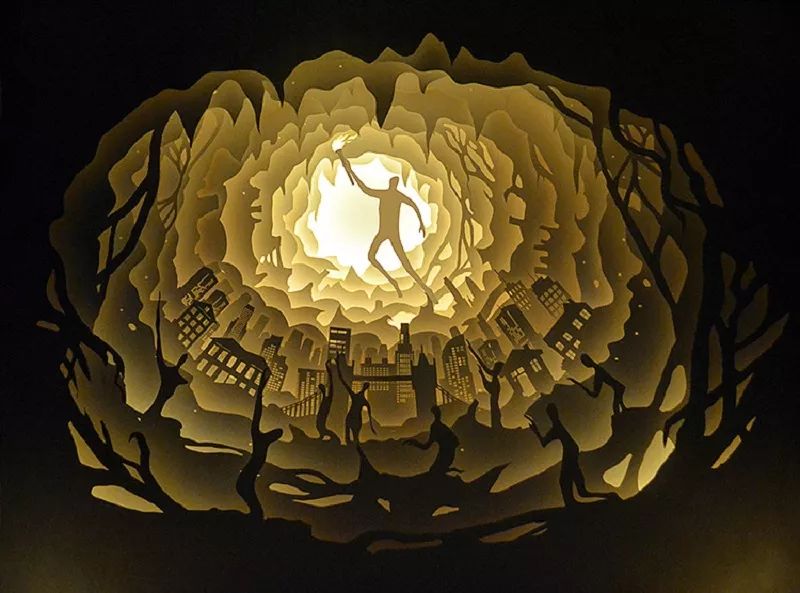
At its essence, paper carving is the art of folding paper — one of the most elemental and widespread of all Chinese folk handicrafts. The Sample Book style of three-dimensional paper carving traces its origins to the clever and dexterous hands of farm women, who gathered leftover scraps of paper used for sealing window lattices — and occasionally pages from worn-out books — and transformed them into something magical. Cutting the paper into rectangular or square pieces, they would fold and refold them into windmills, little birds, tiny houses, flower baskets, garments, and miniature blossom boxes, all devised as toys to delight their children. These women possessed no formal training in geometry, spatial reasoning, or plastic arts theory. Yet by working alongside their children, they instinctively tapped into the child's natural gift for imitation, teaching through demonstration and shared play, kindling imagination and creative participation. Handed down across generations and continuously enriched through exchange and refinement, the craft's folding and carving techniques grew ever more sophisticated, its repertoire of patterns ever more diverse and exquisite — eventually crystallizing into a uniquely beautiful art form in its own right.
The Three Schools of Paper Carving
I. Three-Dimensional Paper Carving
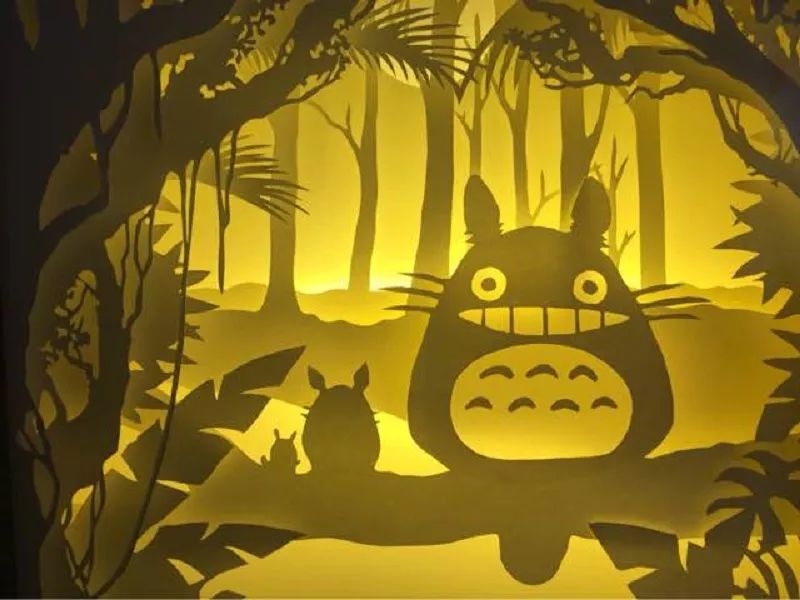
This school approaches paper as a sculptural medium: through specialized surface treatments and the incorporation of auxiliary materials, the paper is rendered pliable and formable. Artists then carve, paste, and assemble — or cut and fold directly on the sheet — transforming flat, two-dimensional material into fully articulated three-dimensional space. When combined with strategic lighting, light-and-shadow paper carving produces an oneiric sense of layered depth that feels almost otherworldly. With its gentle learning curve and accessible entry point, this style has found particular resonance among younger practitioners.

II. Experimental Paper Carving
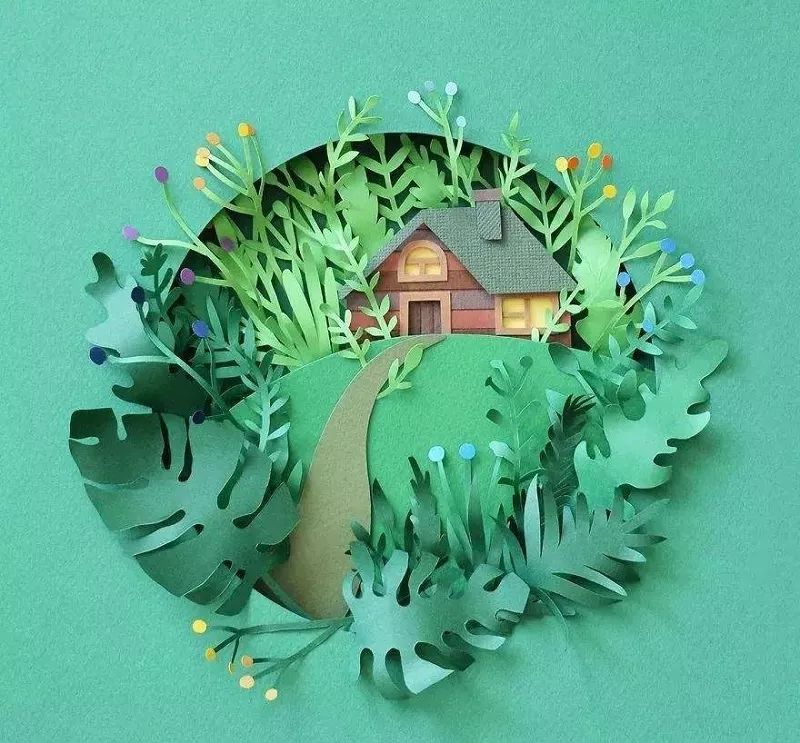
Marked by vibrant color palettes and richly varied subject matter, the experimental school places a premium on geometric beauty. Through methods of cutting, gluing, and folding, flat paper is built into relief-like compositions with pronounced layering and visual depth. Relatively approachable in technique and well suited to dissemination, this school has found a natural home in schools and art centers both across China and abroad, where dedicated paper carving curricula nurture students' aesthetic sensibility and creative expression.
III. Engraved Paper Carving
Uniquely Chinese in origin, this technique was pioneered by military artist Wang Liming, who fused the heritage of traditional folk paper-cutting with the compositional logic of woodblock printmaking to invent an entirely new paper carving vocabulary. The subjects are unmistakably Chinese — ancient in spirit, elegant in line, and profoundly evocative in atmosphere. The birth of engraved paper carving did not simply extend the tradition; it inaugurated a new chapter in the history of the art.
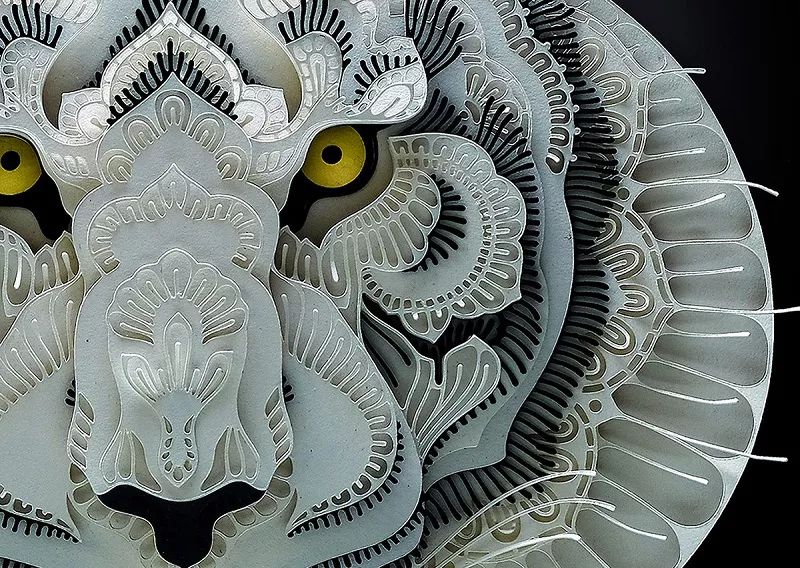
Paper carving unites the expressive power of painting with the physical presence of sculpture. It carries within its folds the deep currents of Chinese history, even as it bears witness to centuries of dialogue and fusion between Eastern and Western artistic sensibilities. That the craft now enjoys a surge of popularity among young people is less a reflection of foreign trends than a homecoming: traditional Chinese craftsmanship, revived and reimagined through the lens of modern aesthetics.