Chinese Seal Carving — Grandeur Within a Square Inch
Heritage News
Editorial Team
Project Introduction
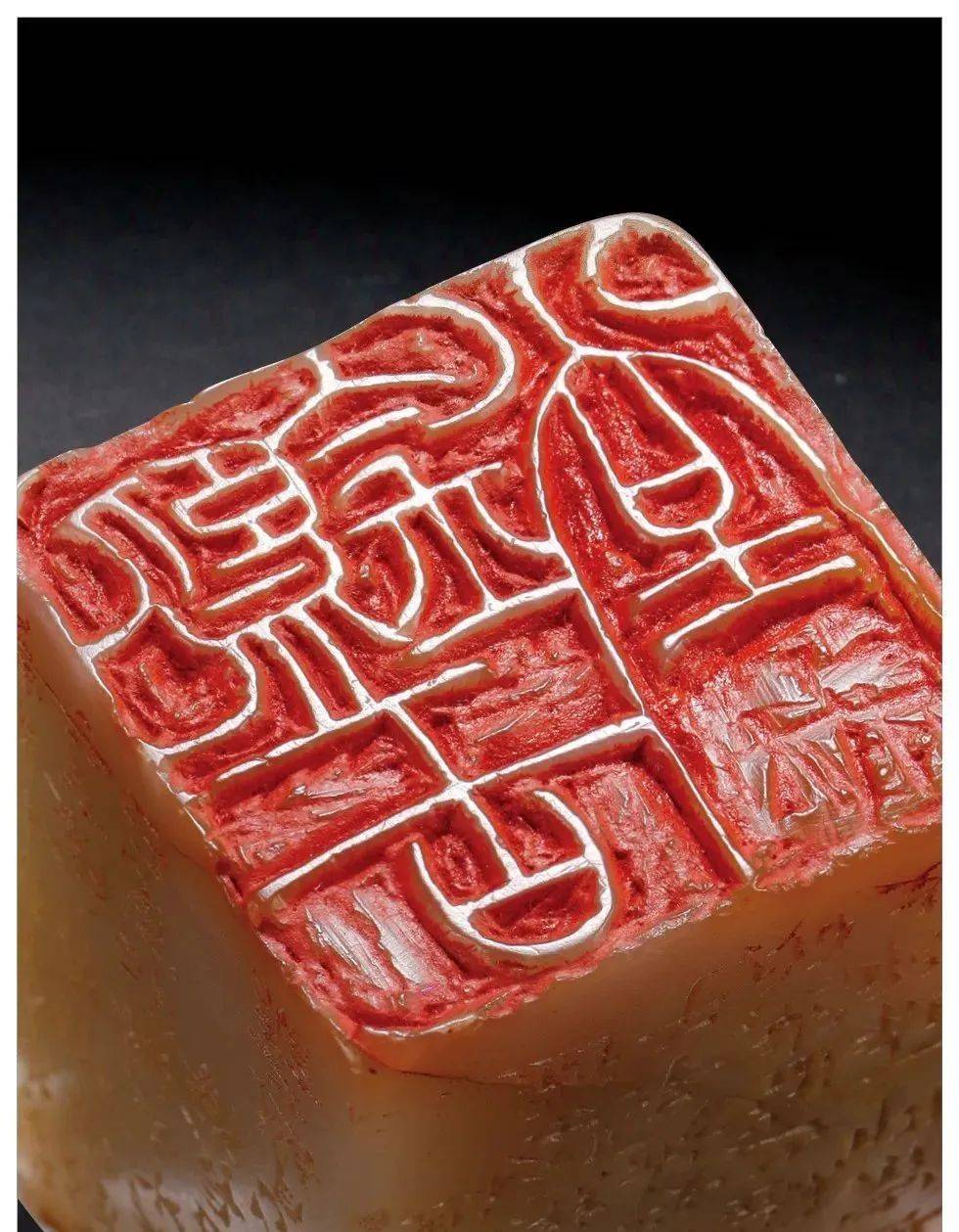
Chinese seal carving is a unique engraving art form that uses stone as its primary material, carving knives as tools, and Chinese characters as its visual expression. It evolved from ancient Chinese seal-making techniques, condensing boundless artistic expression within the space of a single square inch.
The creative process of seal carving involves three fundamental stages: character styling (Zhuanfa), composition (Zhangfa), and knife technique (Daofa). Character styling involves artistically processing the characters to meet the aesthetic requirements of the seal. Composition concerns the layout of characters on the seal face, emphasizing the interplay of solid and void, density and sparseness. Knife technique refers to carving the stone with the knife, showcasing the artist's skill and personal style.
Historical Development
The origins of Chinese seal carving can be traced back to the Shang and Yin dynasties, when pottery and bronze seals had already taken rudimentary form. During the Spring and Autumn and Warring States periods, seals were widely used with diverse forms and styles. The Qin and Han dynasties marked the golden age of seal carving art, serving as the classic model for later generations.
During the Tang, Song, and Yuan dynasties, seal carving gradually gained popularity among the literati class, and seal theory began to emerge. The Ming and Qing dynasties saw a flourishing of diverse schools, with seal carvers innovating upon tradition to create numerous distinctive styles such as the Hui School and the Zhe School.
In modern times, seal carving continues to evolve through inheritance, with artists integrating tradition and modernity to infuse the art form with new vitality.
Core Elements
The Art of Character Styling (Zhuanfa)
Character styling is the foundation of seal carving. The artist must possess a deep understanding of seal script, capable of deforming, exaggerating, and adjusting characters according to the needs of the seal face, ensuring the characters maintain the basic form of seal script while embodying unique artistic beauty.
The Beauty of Composition (Zhangfa)
Composition is the art of layout on the seal face. It requires the rational arrangement of character positions, sizes, and densities within a limited space to achieve a harmonious and unified effect. Excellent composition produces an artistic impact where solid and void complement each other, creating rhythm and coherence.
The Rhythm of Knife Technique (Daofa)
Knife technique is the key to seal carving. Different techniques produce different line effects — the smooth, fluid strokes of the pushing knife (Chongdao) and the vigorous, rustic quality of the chopping knife (Qiedao). Artists employ different knife techniques to express their artistic style and creative intentions, endowing seals with unique charm.
Inheritance and Development
Cultural Value
Chinese seal carving is an essential component of Chinese culture, closely linked to ancient Chinese philology, historiography, and aesthetics. Each seal embodies rich cultural connotations, carrying the cultural memory and spiritual pursuits of the Chinese nation.
Artistic Value
Seal carving possesses unique aesthetic value. The variations in line, the subtlety of composition, and the charm of knife technique all provide profound artistic enjoyment. It stands as a brilliant gem among traditional Chinese arts.
Educational Value
Learning seal carving helps cultivate comprehensive personal qualities. The creative process demands high concentration and patience, exercises finger dexterity and coordination, and enhances aesthetic appreciation and artistic cultivation.
Transmission and Innovation
From traditional master-disciple transmission to modern school education and innovative digital dissemination through online exhibitions, short videos, and cultural creative products, seal carving art continues to find new avenues of expression and reach broader audiences.
Visit and Experience
Xiling Seal Society
As the oldest and most influential academic organization dedicated to epigraphy and seal carving, Xiling Seal Society is hailed as the "Number One Society Under Heaven." Its collection houses vast quantities of exquisite historical seals, seal catalogs, and related cultural artifacts, attracting seal carving enthusiasts and artists from across China and around the world.
Shanghai Museum
The Shanghai Museum boasts a rich collection of seals spanning from the pre-Qin period to modern times, including both masterpieces by renowned artists and utilitarian seals, comprehensively showcasing the developmental trajectory and artistic achievements of Chinese seal carving.
Chinese seal carving, this ancient art form carrying millennia of Chinese cultural heritage, continues to radiate vitality in modern society. Inheriting and promoting the art of Chinese seal carving ensures that this small square seal shines eternally through the river of time, continuing the brilliant legacy of Chinese civilization.