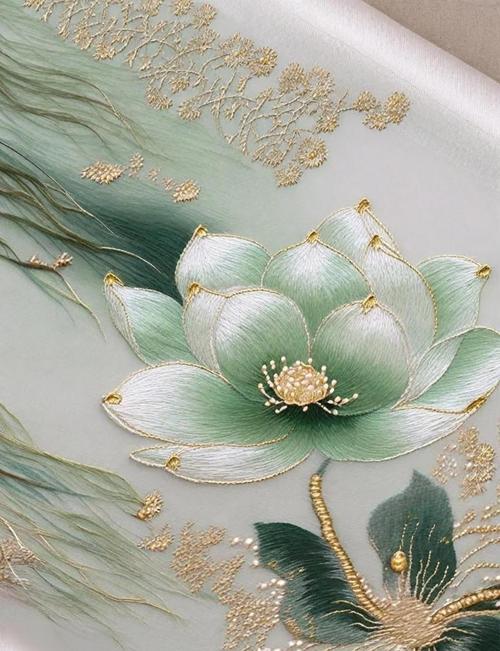
Suzhou embroidery, the foremost of China's Four Great Embroideries, possesses an expansive and sophisticated stitch system. For those unfamiliar with the craft, understanding the differences between flat stitching, random stitching, and seed stitching can be challenging. This guide provides a comprehensive overview of the most essential Suzhou embroidery stitches.
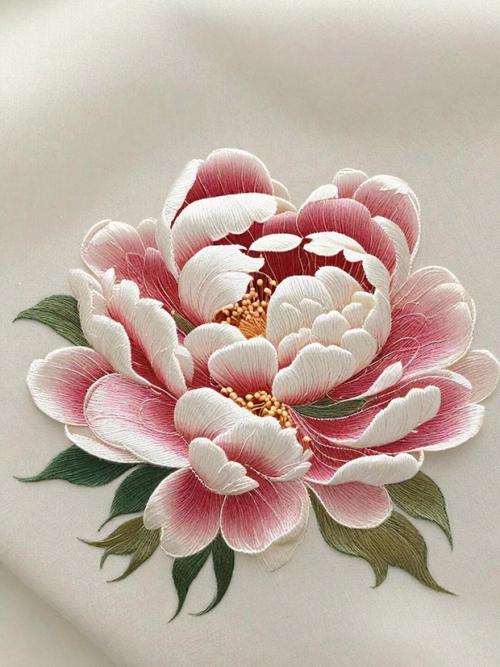
Flat Stitch (Ping Xiu) — The Foundation
Flat stitch is the most fundamental Suzhou embroidery technique and a prerequisite for learning all other stitches. In this method, stitches are laid flat, closely and neatly arranged, following the contours of the pattern — similar to the outlining in traditional Chinese gongbi painting. It is the ideal stitch for floral subjects, bird motifs, facial features of figures, and decorative patterns. While entering the technique is relatively straightforward, achieving true refinement requires years of dedicated practice. The renowned double-sided embroidery pieces are predominantly created using flat stitch.
Random Stitch (Luan Zhen Xiu) — The "Oil Painting" of Embroidery
Random stitch is one of the most technically demanding techniques in Suzhou embroidery. Characterized by irregular, crisscrossing needlework with multiple layers of silk thread to render color and light, this method rejects uniformity in individual stitches while demanding perfect harmony in the overall composition. It is particularly suited for portraiture, landscapes, and works with oil-painting aesthetics. Mastery requires at least five years of embroidery experience before independent creation becomes feasible.
Seed Stitch (Da Zi Xiu) — Creating Texture
Seed stitch, also known as "embracing stitch," involves winding silk thread around the needle to form small knots arranged into patterns. Each knot resembles a tiny dot, producing a distinctive textural quality reminiscent of Western pointillism. This stitch excels at rendering flower stamens, petal textures, and the fluffy appearance of animal fur. The difficulty level is moderate, primarily testing the embroiderer's patience and hand stability.
Loop Stitch (Tao Zhen) — Layered Color Transitions
Loop stitch is an advanced variation of flat stitch, achieving gradual color transitions through layered thread applications. Colors blend from dark to light without obvious boundary lines, making it ideal for rendering the natural gradient of flower petals, leaves, butterfly wings, and ink-wash style compositions.
Filler Stitch (Qiang Zhen) — The Rescue Technique
Filler stitch is a specialized auxiliary technique used to fill gaps between flat stitch rows, creating a smoother, more even embroidered surface. This stitch is rarely used independently but rather in combination with other techniques to address detail issues.
How Stitches Work Together
In actual practice, few embroidery works employ only a single stitch. Most pieces combine multiple techniques: the main contours and base colors using flat or loop stitch, backgrounds and shading rendered with random stitch, decorative details like flower stamens executed with seed stitch, and gaps filled with filler stitch. A single Suzhou embroidery piece may simultaneously incorporate four or five different stitching methods.
Judging Value by Stitch Work
The number and sophistication of stitches used can help evaluate a piece: entry-level products typically use only 1-2 stitches with simple compositions and large color blocks; mid-range works employ 2-3 stitches with basic layering; fine pieces feature 4 or more stitches with rich detail; and top-tier collectible works achieve extremely high stitch density per square centimeter with abundant stitch variations and distinctive personal style.