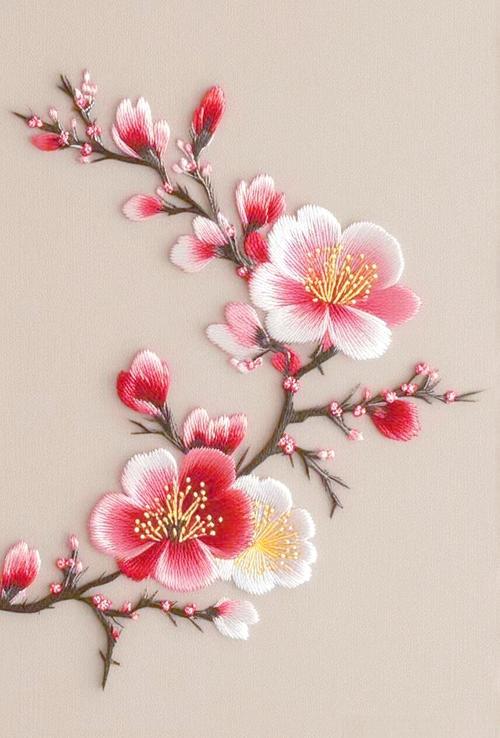
Suzhou embroidery may appear intimidating to beginners, but with proper guidance and the right materials, anyone can take their first steps into this ancient art. This guide walks you through the essential preparations and techniques for starting your Suzhou embroidery journey.
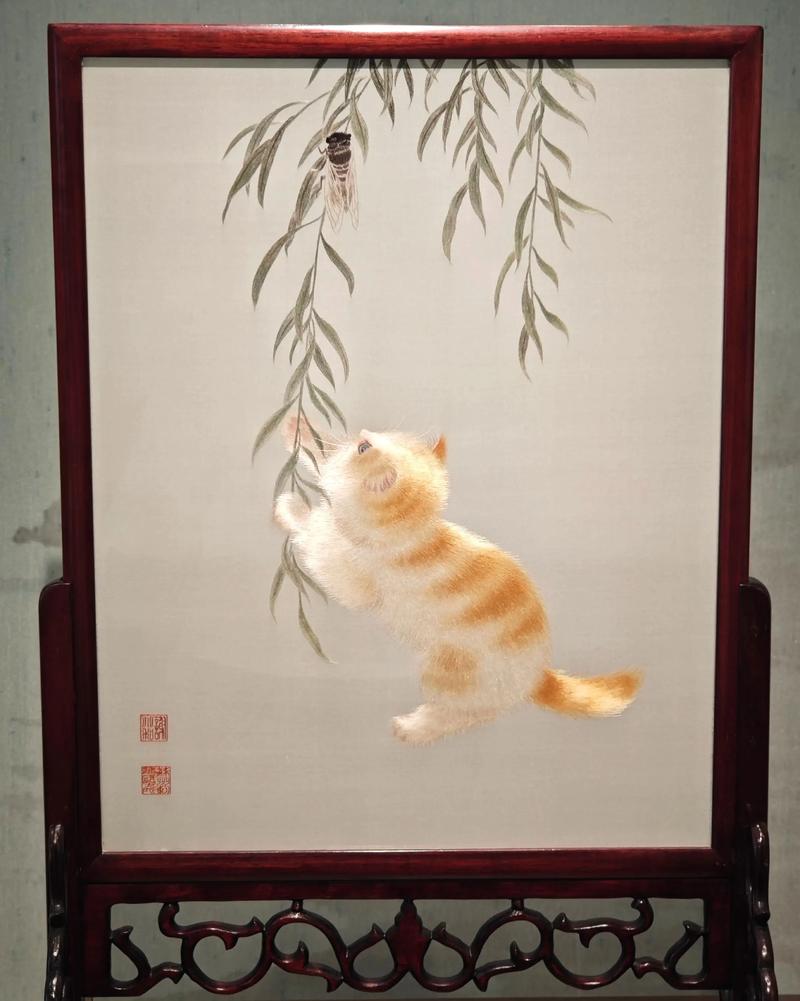
Step 1: Preparing the Silk Threads
When you open a Suzhou embroidery kit, the silk threads will be organized by color family — reds, greens, blues, etc. — each tied in a large knot. Inside each color bundle, you will find several smaller bundles of graduated shades. Open one small bundle to reveal a closed loop of silk threads. Using scissors, cut the loop open to release equal-length strands. Find a rod or a chopstick, fold the threads over it, and braid them loosely into a small plait. The braid should not be too tight; when you need a thread, simply pull from the top end. Arrange all braided thread bundles by color gradient for easy access.
Step 2: Selecting Your Thread
Unlike cross-stitch, where you follow a rigid color chart, Suzhou embroidery allows — indeed requires — flexible color selection. Compare your thread colors against both the base fabric and the reference image. The color families in your kit have been pre-selected for you, so as long as you stay within the right color family, the result will be harmonious. Hold the thread against the fabric to check — this visual confirmation is far more reliable than guessing.
Step 3: Splitting and Threading the Needle
This is where Suzhou embroidery truly distinguishes itself. Unlike cross-stitch, where you might use multiple strands together, Suzhou embroidery requires you to split (pi si) the thread. A single silk thread consists of two plies; separate them and use only ONE ply — and even this single ply represents the thickest thread you will use as a beginner. As your skills advance, you will learn to split threads even finer — masters routinely split a single thread into 24 or even 48 individual filaments.
To thread: trim the thread end cleanly with scissors, moisten it slightly for easier insertion, and thread the needle. Do NOT double the thread over — Suzhou embroidery uses single-strand stitching. Tie a small knot at the far end. Bring the needle up from beneath the fabric; the knot will catch and hold at the back.
Step 4: Essential Embroidery Tips
First, remember that Suzhou embroidery needles are much finer than cross-stitch needles — hold them gently, with relaxed fingers, and let the needle do the work. Second, embroidered pieces cannot be washed, so keep your hands and work surface scrupulously clean. Cover your work with a cloth when stepping away. Third, if your hands are dry or rough, apply a small amount of hand cream to prevent snagging the delicate silk. Fourth, if using a handheld embroidery hoop, crease marks may remain on the fabric after completion — these can be removed by ironing the reverse side on a low, non-steam setting before framing.
Step 5: Understanding Embroidery Order
Before you take your first stitch, study the pattern carefully. Observe it in three dimensions — identify which elements appear in the background and which are in the foreground. The golden rule: background elements (those that are partially covered by other elements) must be embroidered FIRST, and foreground elements embroidered LAST. This sequencing is essential for creating convincing depth.
Basic Stitch Guide for Flowers
Broad leaves (like peony): Use loop stitch (tao zhen), starting from the leaf edge and working toward the central vein. After completing the leaf body, use rolling stitch (gun zhen) to embroider the veins directly on top — no need to leave gaps.
Needle-like leaves (like bamboo or orchid): Use loop stitch, starting from the leaf tip and working toward the base. Add veins afterward with rolling stitch.
Flower petals: Use loop stitch, starting from the outer petal edge and working inward toward the flower center.
Branches and stems: Use diagonal wrapping stitch (xie chan zhen), a variant of flat stitch similar to the half-cross stitch in cross-stitch, maintaining a consistent direction throughout.