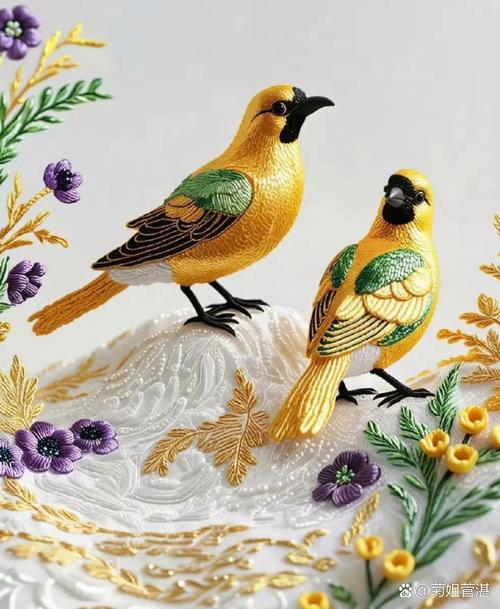
The market for Suzhou embroidery contains a wide range of products, from genuine hand-embroidered masterpieces to mass-produced machine imitations. Knowing how to distinguish authentic handcrafted Suzhou embroidery from inferior reproductions is essential for any collector, buyer, or enthusiast.

Method 1: Examine the Stitch Work
Authentic: Stitches are flexible, lively, and built up in multiple layers. The needlework flows with natural rhythm and variation, creating depth and texture.
Fake: Stitches appear stiff, mechanical, and flat. Machine embroidery produces uniform, monotonous stitching with no organic variation.
Method 2: Feel the Texture
Authentic: The embroidered surface feels soft, smooth, and silky to the touch. The threads are fine and the workmanship creates a supple fabric that drapes naturally.
Fake: The surface feels rough, stiff, or plastic-like. Machine embroidery often uses thicker, coarser threads that produce a rigid, uncomfortable texture.
Method 3: Observe the Color Transitions
Authentic: Colors appear natural and transitions are subtle and gradual. Master embroiderers use multiple shades of the same color family, creating seamless gradients that mimic painting.
Fake: Colors appear harsh, garish, or unnaturally vivid. Transitions between colors are abrupt and lack nuance, resulting in a flat, artificial appearance.
Method 4: Inspect the Reverse Side
Authentic: The back of the embroidery is neat and orderly, with clean stitch endings and no loose thread ends visible. In the finest double-sided works, the reverse is as beautiful as the front.
Fake: The reverse side is rough, disorganized, and may contain knots, loose ends, or tangled threads. This is one of the most reliable indicators of machine production.
Method 5: Detect the Smell
Authentic: Genuine silk embroidery carries a subtle, natural fragrance characteristic of real silk. When gently warmed by hand, true silk emits a faint protein scent similar to burnt hair.
Fake: Synthetic materials often emit chemical or plastic odors, particularly when new. This is especially noticeable with machine embroidery using polyester or nylon threads.
The Most Reliable Approach
While these five methods provide useful guidance, the most dependable approach is to purchase from reputable dealers and established brands. Always request a certificate of authenticity and a detailed receipt. For significant purchases, consider consulting an expert or visiting the embroidery's place of origin — Zhenhu Town in Suzhou, where you can observe master embroiderers at work and purchase directly from recognized studios.