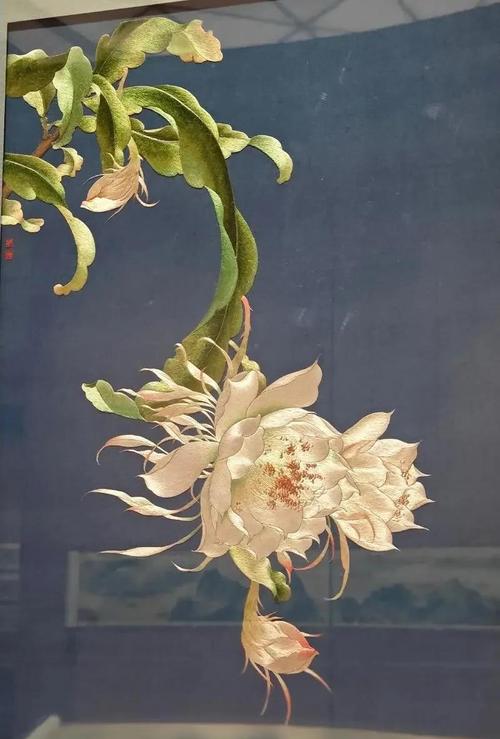
China's Four Great Embroideries — Suzhou (Su Xiu), Hunan (Xiang Xiu), Sichuan (Shu Xiu), and Guangdong (Yue Xiu) — represent the pinnacle of Chinese silk embroidery art. All four have been inscribed on the National Intangible Cultural Heritage list and together embody over two millennia of needlework tradition.
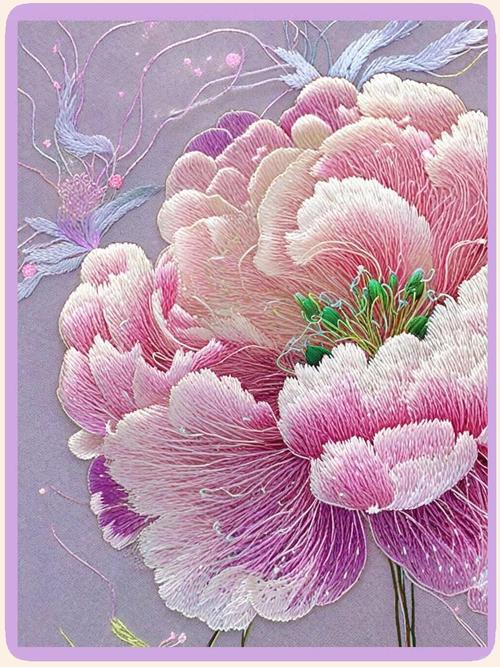
Suzhou Embroidery (Su Xiu)
Originating in the Suzhou region of Jiangsu Province, Suzhou embroidery is celebrated as the "Pearl of the Orient." Its signature characteristics include elegant patterns, harmonious colors, crisp lines, lively needlework, and meticulous craftsmanship. The fertile lands surrounding Lake Tai have supported silk production for millennia, providing the ideal foundation for this refined art. Suzhou embroidery is distinguished by its extraordinary finesse — threads can be split to one-forty-eighth of their original thickness — and by the development of unique techniques such as double-sided embroidery and realistic embroidery (fang zhen xiu).
Hunan Embroidery (Xiang Xiu)
Centered in the Changsha region of Hunan Province, Hunan embroidery absorbed influences from both Suzhou and Guangdong traditions before developing its own distinctive character. It primarily uses pure silk, stiff satin, soft satin, and transparent gauze as ground materials. Hunan embroidery is renowned for its use of velvet-textured silk thread that creates remarkably lifelike floral and fauna representations. The style is bold and expressive, earning the saying: "Embroidered flowers seem to emit fragrance, embroidered birds seem to sing, embroidered tigers seem to run, and embroidered figures seem to breathe."
Sichuan Embroidery (Shu Xiu)
Also known as "Chuan Xiu," Sichuan embroidery is centered in Chengdu and has a history tracing back to the Jin Dynasty (265-420 AD). Unlike other embroideries, Sichuan embroidery produces relatively fewer purely ornamental pieces — the majority are everyday household items such as quilt covers, pillowcases, clothing, and shoes. Its subjects predominantly feature flowers, birds, insects, fish, folk auspicious motifs, and traditional decorative patterns, often with a celebratory character. Sichuan embroidery is characterized by neat, even, and lustrous stitching, with clear silk grain patterns and vibrant colors.
Guangdong Embroidery (Yue Xiu)
Produced primarily in the Guangzhou, Chaozhou, Shantou, Zhongshan, Panyu, and Shunde regions, Guangdong embroidery has been influenced by various ethnic folk arts throughout its development. Its compositions are characteristically full and symmetrical, with strong color contrasts and a sumptuous, magnificent quality. The primary subjects are dragons, phoenixes, flowers, and birds, presented in a decorative style. Stitch patterns are even, textures are distinct, and every needle is visible and neatly arranged — a testament to the rigorous technical standards of this southern tradition.
Comparative Summary
While all four great embroideries share the common thread of exquisite silk craftsmanship, each reflects its regional environment and cultural temperament: Suzhou embodies Jiangnan refinement, Hunan projects bold expressiveness, Sichuan carries folk warmth, and Guangdong exudes southern opulence. Together, they represent the extraordinary diversity of Chinese textile art.