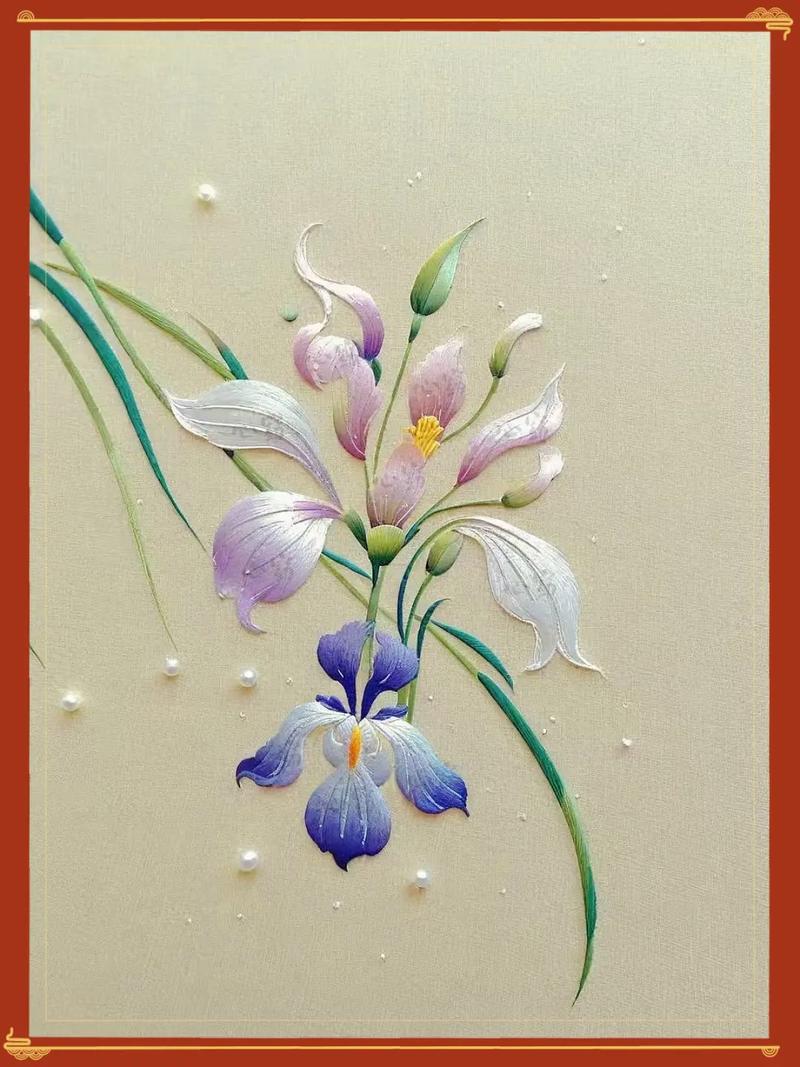
In the constellation of Chinese cultural treasures, Suzhou embroidery shines with unique artistic brilliance. At its apex stands the "Double-Sided Triple-Different Embroidery" (shuang mian san yi xiu) — a technique so extraordinary that it displays completely different images, stitches, and colors on the front and back of a single piece of fabric.
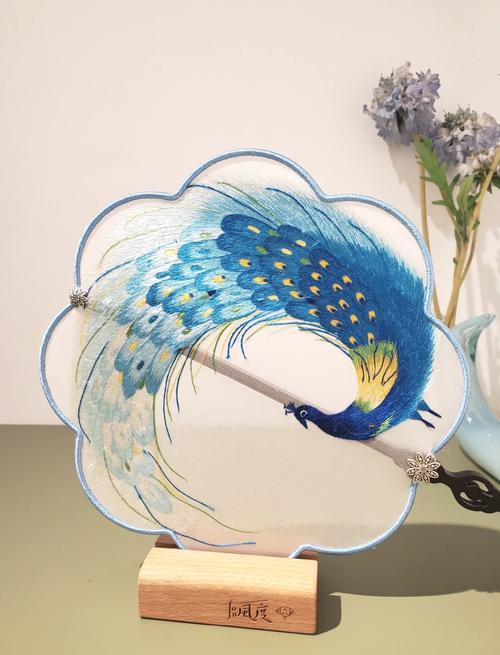
Origins of the Triple-Different Technique
Double-sided triple-different embroidery originated in the 1980s at the Suzhou Embroidery Factory, pioneered by artisans Qiu Xiuying and Yin Lianjun. Building upon the foundation of double-sided embroidery (which dates back to the Song Dynasty), they achieved the seemingly impossible: embroidering entirely different designs — with different needlework and different color schemes — on opposite sides of the same silk ground. One famous example features a giant panda embroidered on one side and a golden snub-nosed monkey on the other, each rendered with distinct needlework and contrasting color palettes of black-white and gold.
How It Works
The technique relies on a sophisticated "cross-stitching" method, wherein the needle path creates two entirely independent visual compositions. From an artistic perspective, the contrast between the two sides creates a powerful dialogue — expressing the Chinese philosophical concept of harmony between seemingly opposing forces. The craft demands extraordinary skill: the embroiderer must simultaneously maintain awareness of both compositions while executing each stitch with absolute precision.
Historical Masterpieces
The Suzhou Embroidery Research Institute has produced several landmark triple-different works. "Spring Day" (Chun Ri), "White Cat and Dog" (Bai Mao Yu Gou), and "West Lake and Hanshan Temple" (Xi Hu Yu Hanshan Si) are among the most celebrated examples. Each required months of intensive labor by master embroiderers working in complete synchronization.
Contemporary Innovation: Yao Embroidery Studio
More recently, the Yao Embroidery Studio's masterpiece "Mother's Love" (Mu Ai) has drawn national media attention, including coverage by CCTV's flagship News Broadcast program. The piece demonstrates how this ancient technique continues to evolve, with modern embroiderers pushing the boundaries of what is possible with needle and silk.
Cultural Significance
Double-sided triple-different embroidery embodies the concept of harmony between humanity and nature that lies at the heart of traditional Chinese culture. It also reflects growing ecological awareness, with many contemporary works featuring endangered species and natural landscapes. As a symbol of cultural heritage, these works function as bridges connecting the past and the future — each stitch telling a story, each thread conveying an emotion that transcends time.