


 Posted an update: 2026-4-1 14:05:24 103
In the temples of Guangdong, the wood shines like the sun. Chaozhou gilt wood carving is the "golden" art of the south, where the depth of the sea meets the brilliance of the empire.
Chaozhou Gilt Wood Carving: The Golden Splendor and the "Pierced" Magic of Guangdong
Located in the heart of the Chaoshan region in Guangdong, Chaozhou wood carving is famous for its "Gilt-Gold" (Jin-qi) finish and its incredible "Pierced Relief" (Tou-diao) style. Unlike the natural wood of Dongyang, Chaozhou carving is almost always covered in brilliant gold leaf. It is a vibrant, exuberant art form that reflects the prosperous, maritime spirit of the Chaozhou people. From the intricate altars of temples to the delicate "Crab and Fish" cages, Chaozhou carving is a masterpiece of light and form.
1. Pierced Relief: Weaving Air into Wood
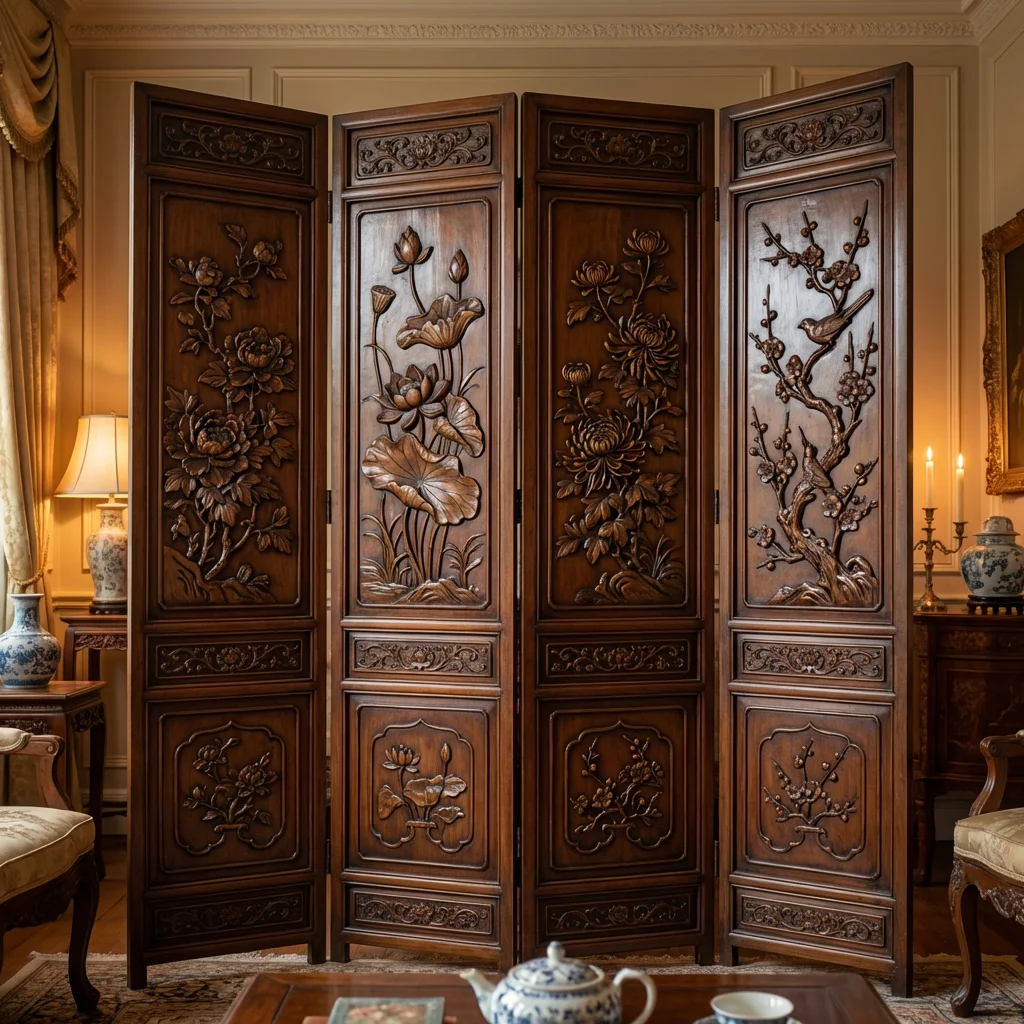
The hallmark of Chaozhou carving is its Pierced Relief (Tou-diao), where the artisan carves completely through the wood to create a lattice-like effect. This allows for incredibly complex, three-dimensional scenes where figures and objects are connected only by tiny wooden bridges. It creates a sense of lightness and transparency that is unique in the world of wood carving, turning a heavy piece of wood into a delicate "lace" of golden art.
2. The Gilt-Gold Finish: The Brilliance of the South
After the carving is complete, the wood is covered with a layer of red or black lacquer, followed by delicate sheets of Gold Leaf. This not only makes the carving look like solid gold but also protects the wood from the humid, tropical climate of southern China. The result is a brilliant, reflective surface that catches the light and brings the intricate scenes to life, creating a sense of eternal prosperity and divine light.
3. The Maritime Soul: Crabs, Fish, and Shrimps
Because Chaozhou is a maritime region, its wood carving often features themes from the sea. The "Crab and Fish" basket is the most iconic motif of the Chaozhou school. Carved from a single block of wood, these baskets feature tiny, realistic crabs and shrimps crawling over a delicate wooden cage. This theme represents the bounty of the sea and the lively, industrious spirit of the Chaozhou merchants and fishermen.
4. Temple Grandeur: The Home of the Gods
Chaozhou gilt wood carving reaches its peak in the decoration of local temples and ancestral halls. The massive altars, the lintels over the doors, and the intricate bracket systems are all covered in golden carvings showing mythical scenes, historical battles, and floral motifs. In the dim light of a temple, these golden carvings seem to glow with their own light, creating a sacred atmosphere that honors both the gods and the ancestors.
5. FAQ: Appreciating Chaozhou Gilt Carving
Is the gold leaf real?
In high-quality traditional work, yes! Real 24k gold leaf is used. For modern or mass-produced items, gold-colored paint might be used, but it lacks the deep, warm luster and the incredible longevity of real gold leaf.
How do I clean gilt wood carvings?
Because gold leaf is extremely delicate, never use water or chemical cleaners. Use a very soft, dry brush to gently remove dust. Avoid touching the golden surface with your fingers, as the oils from your skin can dull the gold over time.
Why is the wood under the gold red or black?
The lacquer layer provides a smooth surface for the gold leaf to adhere to. Traditionally, red lacquer (Cinnabar) was used to give the gold a warm, rich tone, while black lacquer was used to create a more solemn and deep effect.
6. Conclusion
Chaozhou gilt wood carving is a celebration of the vibrant and the prosperous. It shows us that art can be both delicate and grand, both spiritual and festive. As we admire the golden crabs and shrimps of a Chaozhou basket, we are connecting with the soul of the southern sea and the eternal brilliance of the Chinese craft tradition. It is a masterpiece of light and gold.
From the gold to the scholar: Next, we explore the Elegant Timber of Anhui—Hui-style Wood Carving!