


 Posted an update: 2026-4-1 13:59:52 1515
Stone is the backbone of history. In the hands of Chinese artisans, the cold, silent mountain has been turned into a testament of power, faith, and art that remains etched in eternity.
Chinese Stone Carving: From Han Tombs to Imperial Palaces
Chinese stone carving (Shi-diao) has a history spanning over 5,000 years. From the massive ritual vessels of the Neolithic age to the intricate reliefs of the Ming and Qing dynasties, stone carving has been used to honor the dead, celebrate the gods, and demonstrate the authority of the empire. This is the art of permanence, capturing the soul of a civilization in the most durable of materials.
1. The Han Dynasty: Reliefs and Rituals
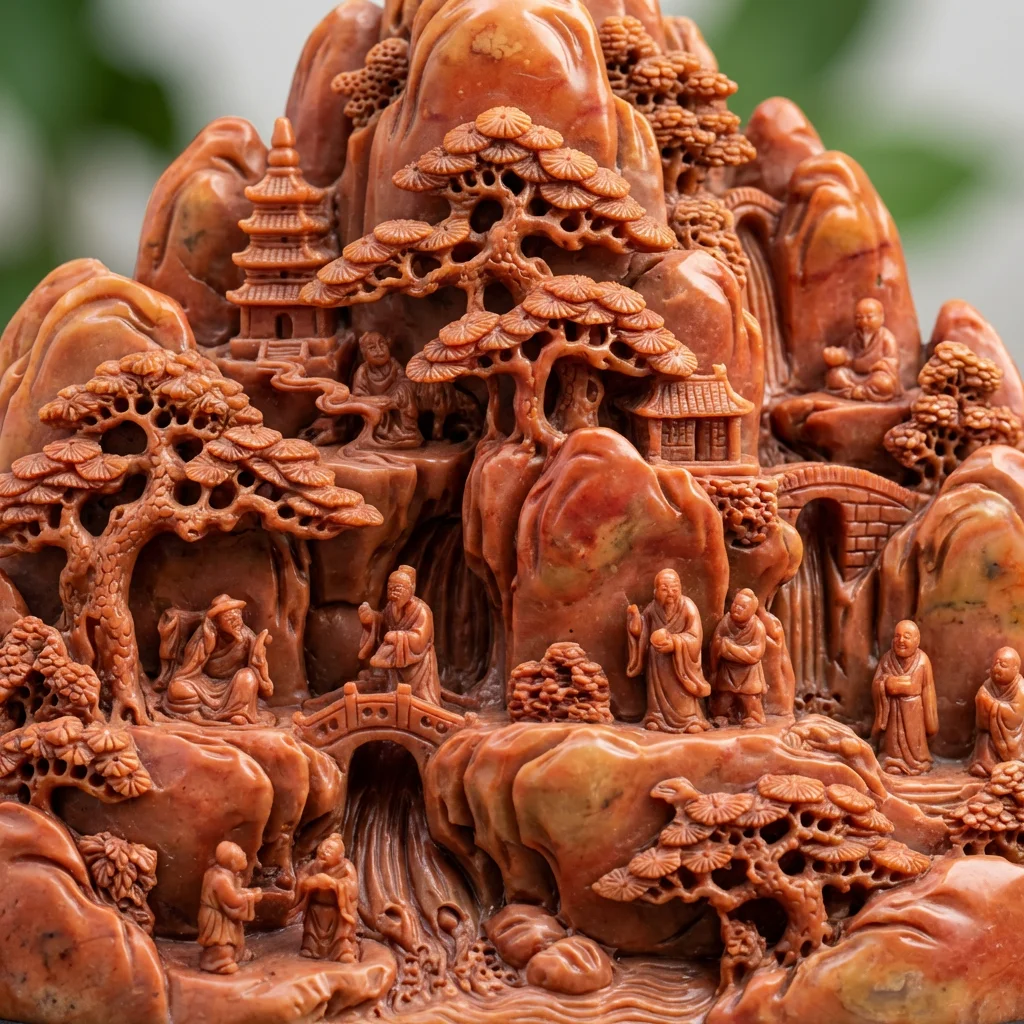
The Han Dynasty (206 BC – 220 AD) was a golden age for stone relief carving. In the tombs and shrines of this period, artisans carved vivid scenes of daily life, mythology, and historical events. These "Stone Pictures" provide a unique window into the ancient world—showing everything from banquets and chariot races to legendary heroes and spiritual beasts. The style is bold, rhythmic, and full of life.
2. Buddhist Grottoes: The Peak of Stone Art
With the arrival of Buddhism in China, stone carving reached a new level of spiritual and technical sophistication. The massive cave temple complexes, such as Longmen and Yungang, contain thousands of Buddha statues, some reaching over 17 meters in height. These grottoes are essentially open-air museums of stone sculpture, showing the evolution of art from the Northern Wei to the Tang Dynasty.
3. Imperial Architecture: The Glory of the Forbidden City
Stone played a vital role in the construction of the imperial palaces. The Forbidden City in Beijing is a masterclass in architectural stone carving. From the "Great Dragon Pavement" carved from a single 200-ton block of marble to the thousands of white marble balustrades in the Hall of Supreme Harmony, stone was used to create a sense of eternal majesty and unshakable stability for the Son of Heaven.
4. Tools and Techniques: The Chisel and the Mallet
The core tools of the stone carver—the chisel (Zao) and the mallet (Chui)—have changed little over the centuries. However, the skill required to use them is immense. A master carver must understand the "grain" and "spirit" of each piece of stone, knowing exactly how much force to apply to avoid cracking the block. Each strike is a conversation between the human hand and the heart of the mountain.
5. FAQ: Appreciating Ancient Stone Carvings
Why is white marble so common in Chinese carving?
White marble (Han-bai-yu) is prized for its pure color and fine texture, making it perfect for intricate relief work. It has been the preferred stone for imperial architecture and high-status sculpture for over 2,000 years.
How do I tell an original carving from a modern reproduction?
Ancient carvings will show natural weathering, such as rounded edges and a soft "patina" from exposure to the air. Modern reproductions often have sharp, machine-cut lines and a uniform, "clean" look that lacks the depth of centuries of history.
Can I buy ancient stone carvings?
Many ancient stone carvings are protected as national treasures. However, you can buy high-quality modern reproductions that use traditional hand-carving techniques, supporting the continued survival of the craft.
6. Conclusion
Stone carving is the art that defines the landscape of Chinese history. It is a reminder that while empires rise and fall, the work of the human hand in stone can last forever. As we walk through the halls of the Forbidden City or the quiet caves of Longmen, we are connecting with the eternal spirit of our ancestors. Stone is the memory of the earth—and we have turned it into a poem.
From the tomb to the cliff: Next, we dive into the Peak of Buddhist Art—The Longmen Grottoes!