


 Posted an update: 2026-4-1 13:57:36 106
A craft is only alive as long as it is practiced. In the 21st century, the ancient arts of weaving and dyeing are facing their greatest challenge—and their greatest opportunity.
Preserving Intangible Heritage: The Future of Traditional Chinese Weaving and Dyeing
Traditional Chinese textiles are more than just museum artifacts; they are part of our "Intangible Cultural Heritage" (Fei-yi). As the world moves toward mass production and fast fashion, these slow, deliberate crafts are at risk of being lost. However, a new generation of artisans, designers, and cultural enthusiasts is working to ensure that the looms never stop and the indigo vats never run dry. This is the story of how we are keeping our heritage alive for the future.
1. The Master-Apprentice Bond: Passing the Flame
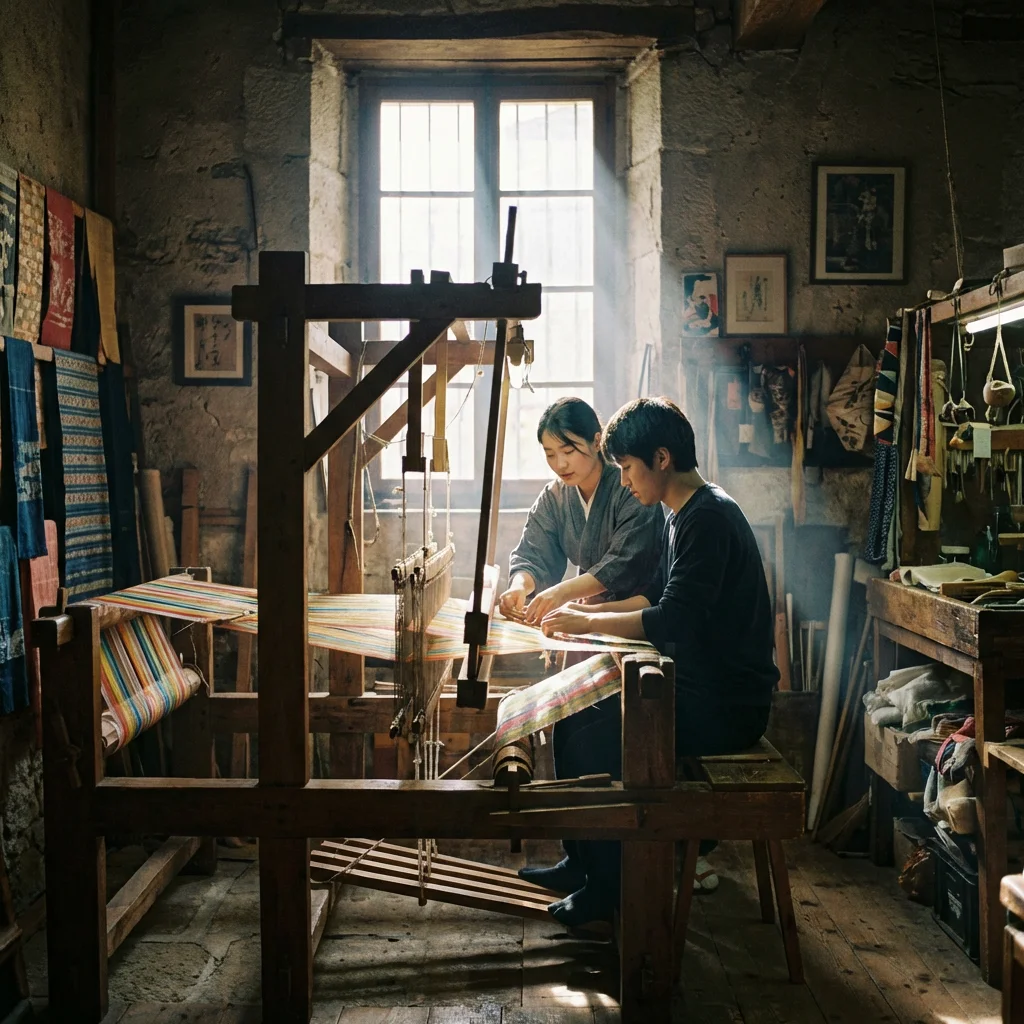
The heart of preservation is the Shi-tu (Master-Apprentice) system. Many of the most complex techniques, like Yun Brocade or Su Embroidery, cannot be learned from books alone; they must be passed down through years of hands-on practice. Today, the government is supporting "Intangible Heritage Successors" (Fei-yi Ji-cheng-ren) with grants and workshops, encouraging masters to take on young students who are passionate about their cultural roots.
2. Modern Innovation: Bringing Tradition to the Global Stage
Preservation is not about keeping things exactly the same; it"s about making them relevant to the modern world. Contemporary designers are using traditional fabrics like Kesi and Shu-jin to create high-fashion gowns, modern handbags, and even luxury furniture. This "Creative Transformation" (Chuang-xin Zhuan-hua) ensures that traditional crafts are not just seen in museums, but are worn and used in the 21st century.
3. The Power of the Community: Museums and Workshops
Across China, "Living Museums" and open workshops are allowing the public to see the beauty of weaving and dyeing firsthand. Places like the China Silk Museum in Hangzhou and the various regional brocade museums are centers of research and public education. These spaces allow visitors to try their hand at the loom or the dye vat, fostering a deep appreciation for the effort and skill required for every piece of traditional fabric.
4. Sustainable Fashion: The New Value of Natural Crafts
The global shift toward sustainable and eco-friendly fashion has given new life to traditional dyeing. Natural indigo and plant-based dyes are gentle on the environment and the skin, making them the perfect alternative to chemical pollutants. By choosing naturally-dyed textiles, we are supporting a way of production that is in harmony with the planet, a wisdom our ancestors practiced for thousands of years.
5. FAQ: How You Can Support Traditional Textiles
Where can I buy authentic heritage pieces?
Look for certified Intangible Heritage workshops or museum shops. Buying directly from artisans ensures that your support goes to the people who are actually doing the work. Avoid "souvenir" shops that sell cheap, machine-made imitations.
Is it expensive to support these crafts?
Because they are handmade, they are naturally more expensive than fast fashion. However, even buying a small item like a Batik scarf or an embroidered pouch helps sustain a master"s workshop and encourages them to continue their work.
Can I learn these skills myself?
Yes! Many workshops offer short-term courses for enthusiasts. It"s a wonderful way to connect with your heritage and understand the incredible skill behind the clothes you wear.
6. Conclusion
The future of traditional Chinese weaving and dyeing is in our hands. By appreciating, wearing, and supporting these ancient crafts, we are ensuring that the thread of our culture remains unbroken. Every shuttle that flies and every drop of blue that stains a cloth is a tribute to the past and a promise to the future. Our heritage is a living thing—let"s keep it blooming.
We hope you enjoyed our 10-article series on Dyeing and Weaving! Explore our next category, Chinese Stone Carving, to see the art that remains etched in eternity!