


 Posted an update: 2026-4-1 13:54:23 107
A Hanfu robe without embroidery is like a poem without rhythm. Embroidery in Hanfu is the final layer of soul that transforms a garment into a masterpiece of identity.
Embroidery in Hanfu: How the Needle Defines the Beauty and Status of Traditional Robes
In the world of Hanfu, embroidery (Ci-xiu) is not just decoration—it is a language of status, belief, and aesthetics. From the subtle "hidden" patterns on a scholar"s sleeve to the massive, multi-colored dragons on an emperor"s robe, embroidery serves as a visual guide to the wearer"s place in the world. It is the most labor-intensive part of Hanfu creation, often taking ten times longer than the sewing of the garment itself.
1. Rank and Ritual: The Hierarchy of Motifs
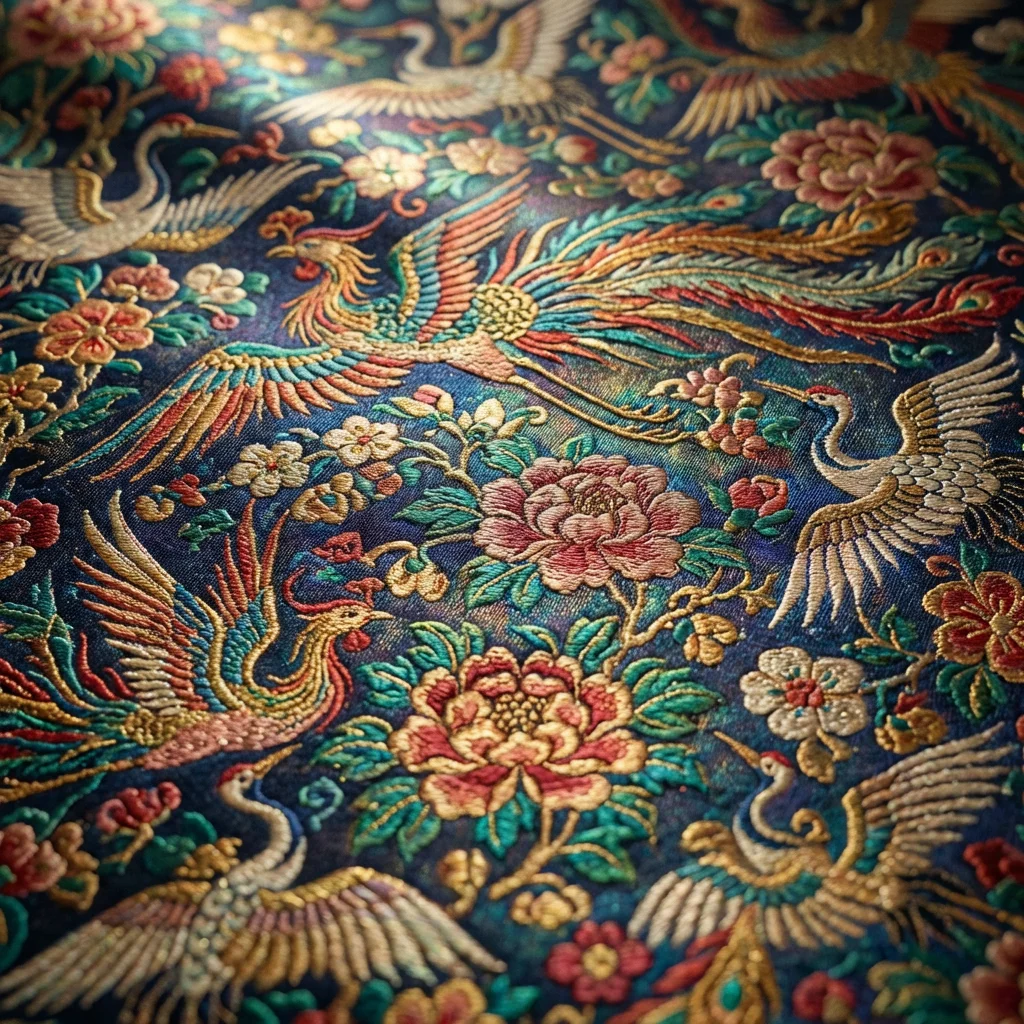
Historically, certain motifs were strictly regulated. The Dragon with five claws was reserved for the Emperor, while the Phoenix was for the Empress. Officials were identified by "Rank Patches" (Bu-zi) featuring specific birds or animals. For the ordinary person, motifs like the "Three Friends of Winter" (pine, bamboo, and plum) were popular choices that signaled one"s refined character and moral resilience.
2. The Collar and Cuff: Centers of Detail
The most important areas for embroidery in Hanfu are the collar (Ling) and the cuffs (Sleeve-ends). Because the cross-collar is the focal point of the face, it often features the most intricate patterns. Cuffs were also heavily decorated, as they were the most visible part of the robe during movements like pouring tea or greeting guests. These "edges" of the garment served as a protective barrier, both physically and spiritually.
3. Hidden Elegance: The Beauty of Tone-on-Tone
Not all Hanfu embroidery is meant to be bold. In the Song Dynasty especially, the "scholar aesthetic" favored tone-on-tone embroidery, where the silk thread is the exact same color as the fabric. This creates a subtle, "jacquard-like" effect that is only visible when the light hits the robe at a certain angle. This "hidden luxury" (An-hua) was seen as the height of sophistication, reflecting the inner cultivation of the wearer.
4. Modern Trends: Machine vs. Hand Embroidery
With the rise of the modern Hanfu movement, machine embroidery has made beautiful robes accessible to everyone. While hand-embroidery remains the "gold standard" for collectors, modern high-precision machines can recreate the look of traditional stitches with incredible accuracy. The choice often comes down to budget and occasion: machine-embroidered Hanfu is perfect for daily wear, while hand-crafted pieces are saved for weddings and major festivals.
5. FAQ: Caring for Your Embroidered Hanfu
Can I iron over embroidery?
Never iron directly on the embroidery! Place a thin cotton cloth over it and use a steam iron on a low setting. Ironing directly can flatten the stitches and ruin the texture of the silk threads.
Is it okay if a few threads come loose?
Yes, it"s normal for handmade pieces. Never pull a loose thread! Use a very fine needle to tuck it back inside the fabric, or use a tiny drop of textile glue to secure it if it"s in a high-friction area.
How should I store my embroidered robes?
Store them flat or rolled. Hanging can put too much stress on the embroidered areas over time, causing the fabric to warp or the stitches to loosen.
6. Conclusion
Embroidery is the crowning glory of Hanfu. It is a bridge between the physical and the spiritual, turning a simple piece of silk into a story of heritage. By understanding the patterns we wear, we become part of a 3,000-year-old conversation about beauty and virtue. Every stitch is a reminder that in our culture, we wear our history on our sleeves.
Wondering how it"s done? Next, we step into the workshop to see the needles, threads, and frames—the Tools of the Trade!