


 Posted an update: 2026-4-1 13:54:17 91
Before the modern handbag, there was the He-bao. These small, beautifully embroidered silk pouches were more than just accessories—they were tokens of love, luck, and the intimate bond between people.
Embroidered Pouches (He-bao): The Culture of Gifts and the Language of Silk
The He-bao (literally "lotus pouch") is one of the most charming and personal expressions of Chinese embroidery. Traditionally worn hanging from the sash of one"s Hanfu, these pouches were used to carry incense, medicinal herbs, or small personal items. Because they were often handmade by mothers for their children or by women for their lovers, they became a powerful medium for expressing feelings that words could not capture.
1. The Language of Patterns: Love, Luck, and Longevity
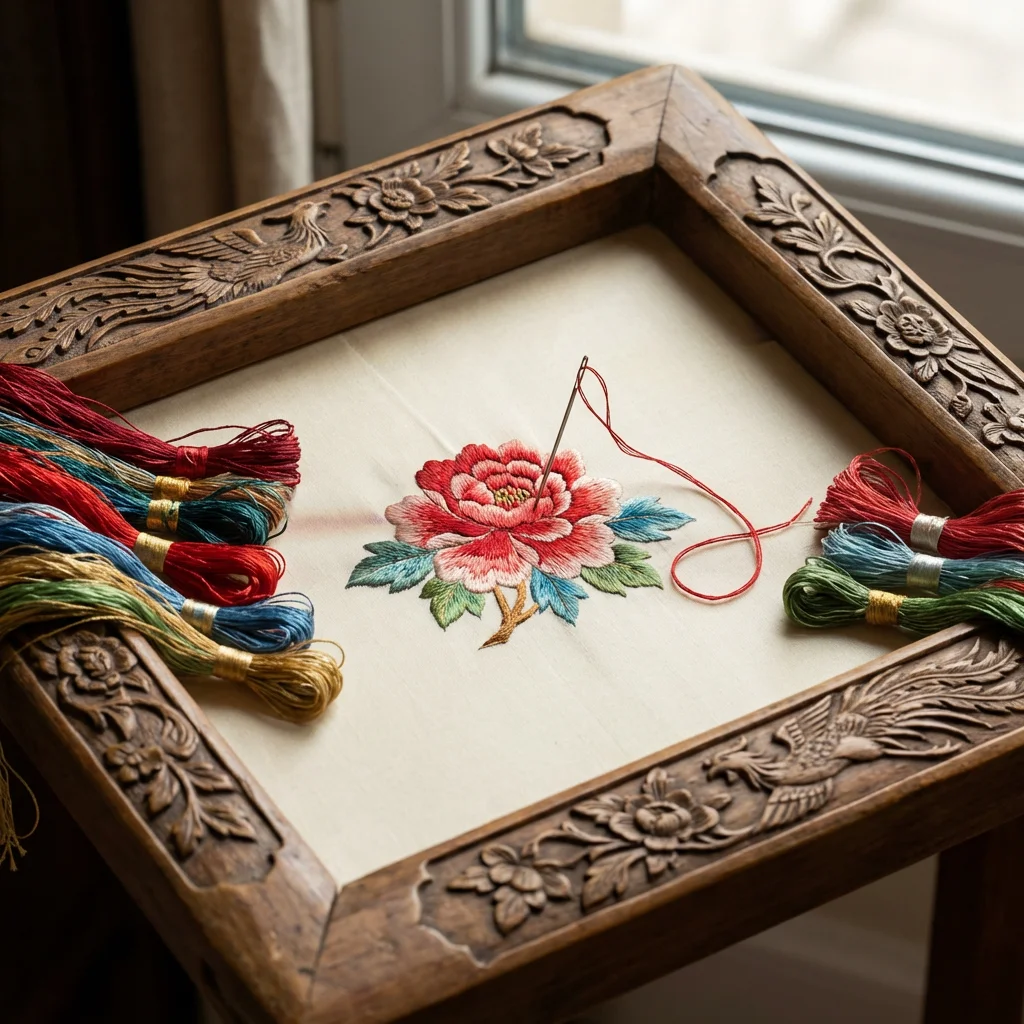
Every stitch on a He-bao was a blessing. Common patterns included Mandarin ducks for marital fidelity, lotus flowers for purity, and bats (Fu) which are a homophone for "luck." A He-bao with a pomegranate motif was a wish for many children, while one with a crane was a prayer for long life. By choosing a specific pattern, the giver was sending a silent but powerful message of hope to the wearer.
2. A Token of Affection: The He-bao as a Love Gift
In the romantic literature of ancient China, the exchange of a He-bao was a significant moment. A woman would spend weeks or even months embroidering a pouch for the man she loved, often hiding her own hair or a small poem inside. This "pledge of love" (Ding-qing-wu) was a sacred object, representing the woman"s skill, patience, and devotion. To lose or damage a gifted He-bao was seen as a bad omen for the relationship.
3. Shapes and Styles: From Round to Heart-Shaped
He-bao came in a vast variety of shapes. While the classic round or oval "lotus" shape was most common, there were also heart-shaped (Xin-xing), gourd-shaped (Hu-lu), and even animal-shaped pouches. The edges were often finished with intricate silk braiding and long, colorful tassels that added a sense of movement and grace as the wearer walked.
4. The Incense Pouch: Fragrance and Protection
Beyond fashion, He-bao had a practical and medicinal role. They were often filled with fragrant herbs or incense, which not only provided a pleasant personal scent but were also believed to ward off insects and evil spirits. During the Dragon Boat Festival, children were given pouches filled with cinnabar and mugwort to protect them from "The Five Poisonous Creatures."
5. FAQ: Collecting and Making He-bao
Are antique He-bao still available?
Yes, many beautifully preserved He-bao from the late Qing and early Republic periods can be found in antique markets and museums. They are highly collectible for their intricate hand-embroidery and cultural history.
Can I make my own He-bao?
Absolutely! He-bao making is a popular hobby among Hanfu enthusiasts. You can find many patterns and tutorials online. It"s a great way to practice basic embroidery and create a personalized accessory for your robes.
How do I clean an embroidered pouch?
Hand-embroidered silk is very delicate. If possible, avoid washing it. If it becomes dusty, a light brush with a very soft, dry brush is best. For serious cleaning, consult a professional who specializes in textile preservation.
6. Conclusion
The He-bao is a small object that carries a heavy heart of culture. It represents the intimacy and delicate emotions of a vanished world. As we wear these pouches today, we are not just accessorizing our Hanfu; we are carrying on a tradition of silent blessings and the timeless language of the needle.
From the pouch to the robe: Next, we explore how embroidery defines the beauty and status of the Hanfu itself!