


 Posted an update: 2026-4-1 13:43:05 114
In a traditional Hanfu wedding, the union is not just between two people, but between two families and the heavens. It is a spectacle of red, green, and gold that has remained unchanged for thousands of years.
Wedding Hanfu: The Splendor, Ritual, and Colors of the Traditional Marriage Ceremony
The traditional Chinese wedding (Hun-li) is one of the most ritualistic and beautiful events in Han culture. Central to this ceremony is the attire, which varies by dynasty but always symbolizes joy, prosperity, and the harmonious union of Yin and Yang. From the iconic "Red and Green" of the Ming to the dignified black and red of the Zhou, wedding Hanfu is the ultimate expression of traditional romance.
1. Red for the Groom, Green for the Bride: The Ming Style
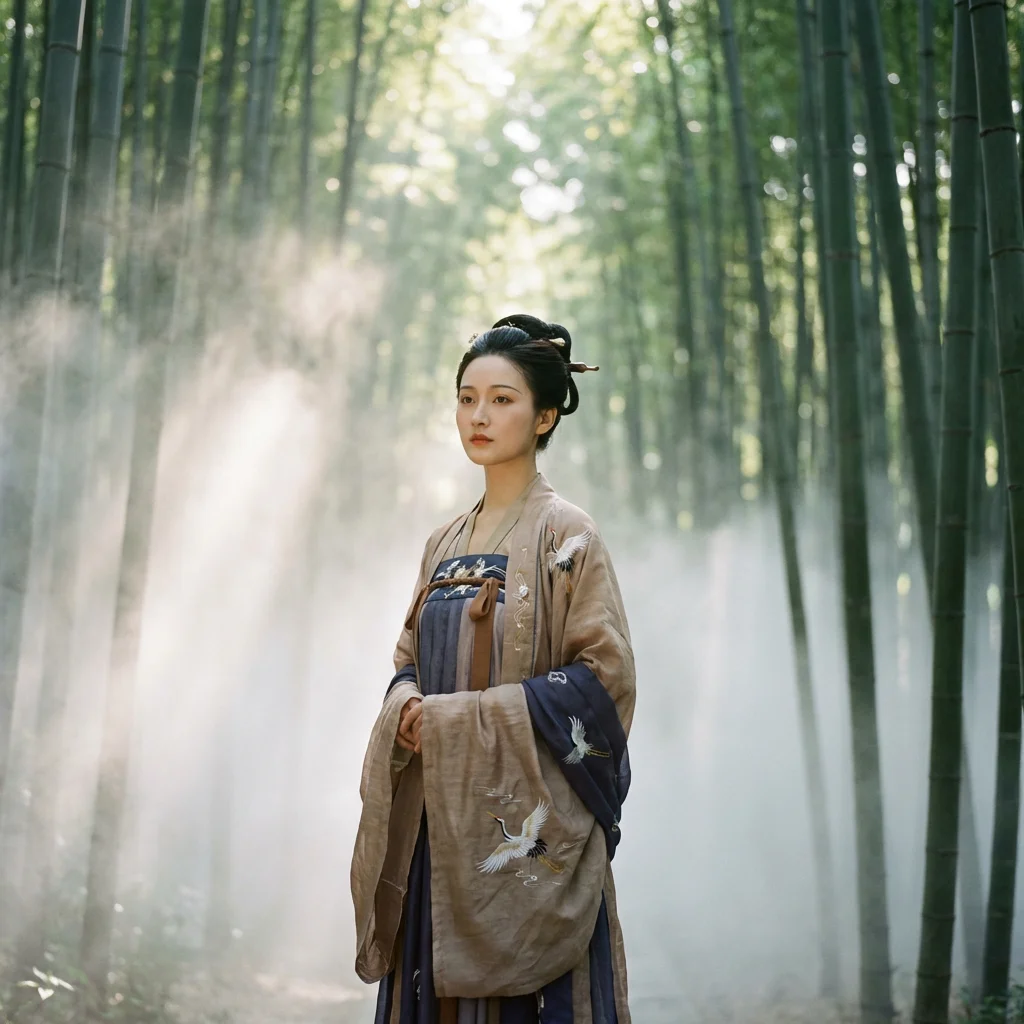
While we often associate red with Chinese weddings today, the traditional Ming Dynasty standard was Red for the Groom and Green for the Bride (Hong-nan-lv-nv). This color combination, known as "Grand Ceremony Colors," was a sign of the highest ritual honor. The groom wore a red official-style robe, and the bride wore a dark green robe with elaborate gold embroidery, representing the perfect balance of two souls.
2. The Phoenix Crown and Cloud Cape: A Bride"s Glory
The center of a bride"s ensemble is the Feng-guan (Phoenix Crown), a magnificent headpiece made of gold, pearls, and Kingfisher feathers. She also wears a Xia-pei (Cloud Cape)—a long, embroidered stole that drapes over the shoulders. These items were so prestigious that in ancient times, ordinary women were only allowed to wear them on their wedding day, the one day they were "Empresses of the Home."
3. Ritual Layers: The Symbolism of the Robes
Wedding Hanfu consists of multiple layers of silk, symbolizing the building of a shared life. Each layer must be tied correctly using sashes, never buttons, which represents the strength and flexibility of the marriage bond. The wide sleeves are used during the "Cross-Cup Wine" ritual, where the couple drinks together to symbolize their eternal commitment.
4. The Wedding Sash: Tying the Knot Forever
The Tong-xin-jie (Concentric Knot) is a decorative sash tied around the waist of both the groom and the bride. This knot, which has no beginning or end, is the physical symbol of "tying the knot." It represents the couple"s promise to stay together through all of life"s challenges, bound by love and mutual respect.
5. FAQ: Planning Your Own Hanfu Wedding
Can I wear red if I"m the bride?
Yes! While the Ming style is red and green, the Qing-style (which influenced modern traditions) is all red. Many modern couples choose "All-Red" Hanfu for their weddings because it is widely seen as the most auspicious color.
Is it expensive to get a wedding Hanfu set?
Because of the heavy embroidery and high-quality silk, a wedding set is an investment. However, many specialized shops offer rentals for the big day, allowing you to wear a museum-quality piece for your ceremony.
Do I need to know the rituals?
If you"re wearing the clothes, it"s wonderful to learn a few key rituals like the "Kowtow to Heaven and Earth" (Bai-tian-di). It adds a deep sense of meaning and tradition to your special day.
6. Conclusion
A Hanfu wedding is a journey back to the roots of romance. It is a day where time stands still, and you are connected to the millions of couples who have walked this path before you. By choosing to wed in the robes of your ancestors, you are starting your new life with a foundation of beauty, history, and eternal grace.
Want to capture these memories? Next, we provide a professional guide to Hanfu photography!