


 Posted an update: 2026-4-1 13:43:01 96
While Hanfu for women is known for its ethereal grace, Hanfu for men is defined by its dignity, strength, and the spirit of the scholar-gentleman (Jun-zi).
Hanfu for Men: The Dignity and Spirit of Ancient Chinese Gentlemanly Attire
For thousands of years, the way a man dressed in China was a reflection of his moral character and his place in society. From the wide-sleeved robes of the scholar to the structured armor of the warrior, Hanfu for men evolved to balance functionality with a deep sense of ritual propriety. Today, men"s Hanfu is seeing a major resurgence as a symbol of modern chivalry and cultural pride.
1. The Scholar"s Robe: Wisdom in Wide Sleeves
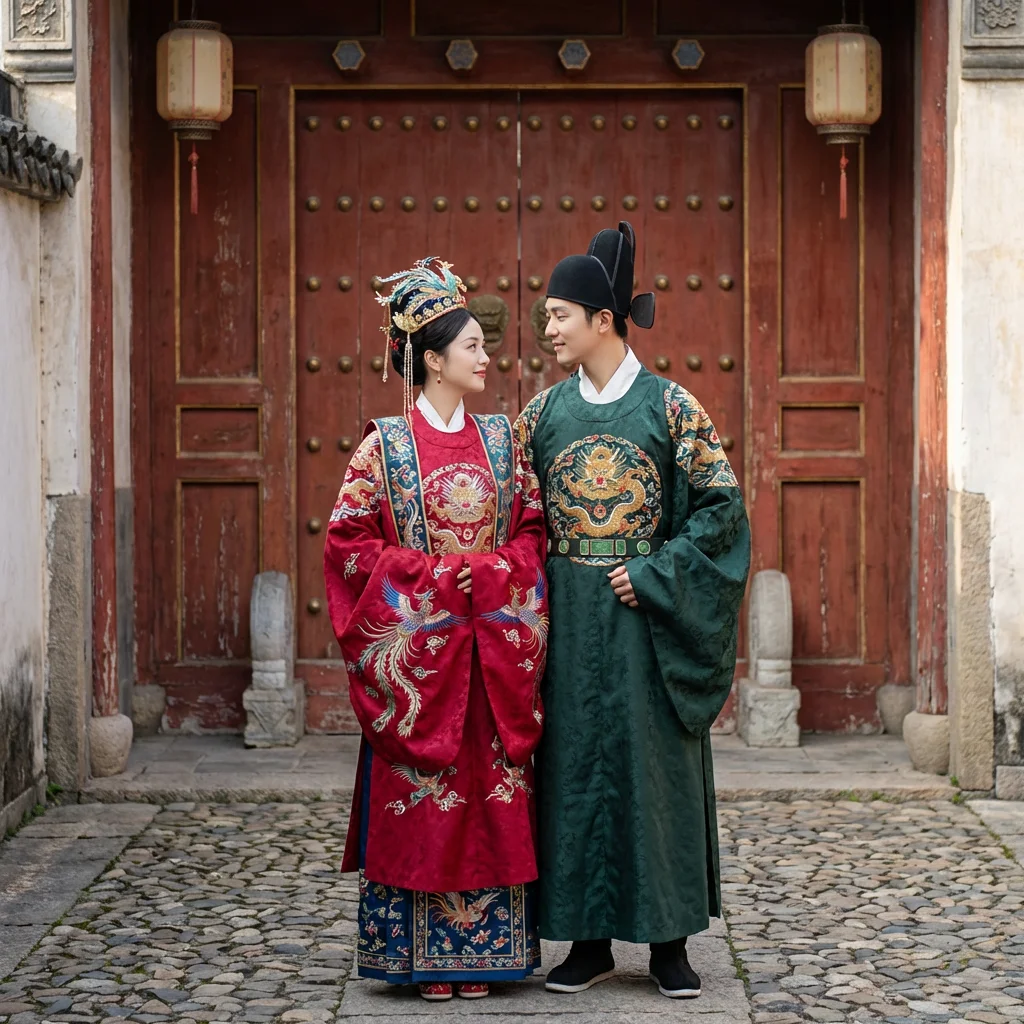
The Da-shao-shan (wide-sleeve shirt) and Yi-chang (top and skirt) are the quintessential symbols of the ancient Chinese scholar. The wide sleeves were not just for show; they provided a natural cooling effect and allowed for the storage of brushes and books. Wearing these robes required a upright posture and a calm demeanor, embodying the Confucian ideal of the "Superior Man" who is balanced in both mind and body.
2. The Yuanlingpao: The Universal Standard of the Tang and Ming
The Yuanlingpao (round-collar robe) was the "suit" of ancient China. It was worn by everyone from the Emperor to low-ranking officials. Its clean, round collar and side-buttoning made it much more practical for daily activities and even horseback riding. In the Ming Dynasty, it became the official court dress, featuring elaborate "Rank Patches" (Bu-zi) that indicated the wearer"s position in the imperial government.
3. Headwear and Crowns: The Symbol of Adulthood
In ancient China, a man was not considered an adult until he received his first cap or crown in a ceremony called Guan-li. Different types of headwear, such as the Fu-tou (soft cap) or the Jin-xian-guan (official"s crown), were essential components of the male ensemble. A man would never be seen in public without his head covered, as it was a sign of respect for oneself and others.
4. The Spirit of the Jun-zi: Why Manner Matters
Wearing Hanfu is about more than just the fabric; it is about the Manner (Yi-tai). A man in Hanfu is expected to walk with a steady pace, sit with a straight back, and speak with composure. This alignment of dress and behavior is the core of the Jun-zi philosophy—the belief that outward elegance should be a reflection of inward virtue.
5. FAQ: Getting Started with Men"s Hanfu
Is it hard to move in wide sleeves?
It takes a little practice! You learn to move your arms in a more deliberate, circular fashion. For more active daily life, many men choose "narrow-sleeve" versions of the Yuanlingpao or He-fu.
Which dynasty style is most popular for men?
The Tang and Ming dynasties are the most popular. Tang styles offer a more "chivalrous" and open look, while Ming styles are favored for their formal and dignified silhouette.
Can I wear Hanfu to a modern office?
The "New Chinese Style" (Xin-zhong-shi) offers modern-cut jackets with Hanfu collars that are perfect for a professional setting, allowing you to show your cultural pride in a contemporary way.
6. Conclusion
Hanfu for men is a powerful expression of cultural continuity. It is a dress that commands respect and inspires a sense of duty and honor. As more men return to the robes of their ancestors, they are rediscovering a version of masculinity that is rooted in wisdom, grace, and a deep connection to history.
Planning a big day? Next, we explore the splendor and ritual of the traditional Hanfu wedding!