Northern and Southern Schools Guide: Chinese Landscape Painting Traditions

Northern and Southern Schools Guide: Chinese Landscape Painting Traditions

Northern and Southern Schools Dong Qichang’s theory divided Chinese landscape painting into two lineages based on perceived aesthetic and philosophical differences. Northern School Characteristics Dong Qichang associated the Northern School with professional painters, decorative effects, and technical precision.

Chinese Silk Fabrics Guide: Ling, Luo, Chou, Duan, and Traditional Weaves

Traditional Silk Fabrics Chinese textile terminology includes numerous silk fabric types, each with distinct weave structures. Understanding these categories helps identify historical textiles and appreciate traditional silk production. Major Silk Types Ling is lightweight, thin silk with subtle diagonal weave. Luo features open, gauze-like weave. Chou is standard woven silk fabric. Duan is satin-weave silk…

Qingtian Stone Carving Guide: Zhejiang Seal Stone and Sculpture Art

Qingtian Stone Carving Guide: Zhejiang Seal Stone and Sculpture Art

Qingtian Stone Carving Qingtian stone from Zhejiang province represents one of China’s major seal stone traditions. The material’s workability and color range have supported carving traditions for centuries. Material Characteristics Qingtian stone occurs in diverse colors including green, yellow, brown, and mixed patterns. The material is generally softer than Shoushan stone, making it suitable for…

Changhua Bloodstone Guide: Chicken Blood Stone Carving and Collecting

Changhua Bloodstone Changhua bloodstone, known as chicken blood stone for its vivid red inclusions, represents one of China’s most visually distinctive seal stones. The contrast between dark base material and bright red cinnabar patches creates dramatic effects. Material and Formation The stone consists of dickite or pyrophyllite matrix with cinnabar inclusions creating red patterns. The…

Chinese Gemstone Carving Guide: Agate, Turquoise, Amber, and Lapis Lazuli

Chinese Gemstone Carving Guide: Agate, Turquoise, Amber, and Lapis Lazuli

Gemstone Carving Traditions Beyond jade, Chinese carvers worked diverse semi-precious materials into decorative objects. Agate, turquoise, amber, lapis lazuli, and coral each presented distinct challenges and possibilities. Agate Carving Agate’s banded structure and hardness require specific techniques. Carvers often exploit natural banding as design elements.

Chinese Ethnic Silver Ornaments Guide: Miao, Tibetan, and Mongolian Traditions

Ethnic Silver Traditions Chinese ethnic minorities developed distinctive silverworking traditions for costume and ceremonial use. Miao, Tibetan, and Mongolian silverwork represent major traditions with unique aesthetic characteristics. Miao Silver Ornaments Miao silverwork is renowned for scale and complexity. Silver crowns, horns, necklaces, and body ornaments create spectacular visual effects during festivals.

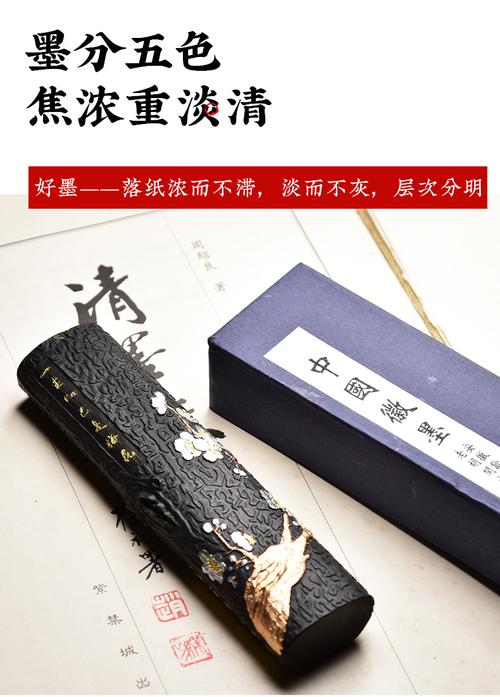
Huizhou Ink Stick Guide: Traditional Chinese Ink Making from Anhui

Huizhou Ink Stick Guide: Traditional Chinese Ink Making from Anhui

Huizhou Ink Stick : The Soul of Black Huizhou ink , produced in the ancient Huizhou region of Anhui province, represents the pinnacle of Chinese ink-making craft. For over a thousand years, these ink sticks have been essential tools for scholars, calligraphers, and painters seeking the subtle tonal variations that define Chinese ink art. The…

Underglaze Red Porcelain Guide: Youlihong and Copper-Red Glaze Techniques

Underglaze Red Porcelain Underglaze red porcelain represents one of ceramic history’s most technically challenging achievements. Using copper oxide as the coloring agent, artists painted designs onto unfired porcelain bodies before covering with transparent glaze and firing at high temperatures. The difficulty of controlling copper-red chemistry made successful pieces rare and valuable. The Technical Challenge Copper-red…

Linglong Porcelain Guide: Rice Grain Pattern and Pierced Ceramic Technique

Linglong Porcelain Linglong porcelain, also known as rice grain porcelain, features distinctive translucent patterns created by piercing the clay body before glazing. When glaze fills these openings and light passes through, the effect resembles grains of rice embedded in the ceramic surface. Technique and Production Production involves piercing small holes through the leather-hard clay body…

End of content

End of content