Blue-Green Landscape Painting Guide: Mineral Pigment Techniques

Blue-Green Landscape : Painting with Minerals Blue-green landscape painting represents a distinct tradition within Chinese painting that employs mineral pigments rather than ink wash. The technique creates jewel-like surfaces with brilliant, permanent colors derived from ground azurite and malachite . These paintings offer decorative richness impossible to achieve with monochrome ink. The term ‘qinglü’ combines…

Splashed Ink Painting Guide: Expressive Chinese Ink Wash Techniques

Splashed Ink Painting Guide: Expressive Chinese Ink Wash Techniques

Splashed Ink : Controlled Chaos in Chinese Painting Splashed ink , literally ‘throwing ink,’ describes a technique where artists apply ink in broad, gestural washes rather than controlled brush lines. The method embraces chance and fluid dynamics, creating effects impossible through deliberate brushwork alone. While appearing spontaneous, masterful splashed ink requires deep understanding of ink…

Running Script Calligraphy Guide: Mastering Xingshu Writing Style

Running Script : The Flow of Writing Running script , or Xingshu, occupies the middle ground between the strict regularity of standard script and the expressive abstraction of cursive . This semi-cursive style maintains legibility while allowing writing speed and fluid connections between characters. For practical daily use and artistic expression alike, running script represents…

Regular Script Calligraphy Guide: The Foundation of Kaishu Writing

Regular Script : The Standard of Writing Regular script , or Kaishu, represents the fully standardized form of Chinese writing that emerged during the late Han dynasty and achieved definitive form in the Tang period. The name suggests ‘model’ or ‘standard’ script—characters are clearly legible, strokes are precisely defined, and structure follows consistent rules. For…

Xuan Paper Guide: The Essential Paper for Chinese Calligraphy and Painting

Xuan Paper : The Foundation of Chinese Ink Art Xuan paper , produced in Jingxian, Anhui province, represents the essential support material for Chinese calligraphy and painting. Named after the ancient Xuanzhou prefecture where production originated, this paper has been prized for over a thousand years for its unique interaction with ink and color. Understanding…

Huizhou Ink Stick Guide: Traditional Chinese Ink Making from Anhui

Huizhou Ink Stick Guide: Traditional Chinese Ink Making from Anhui

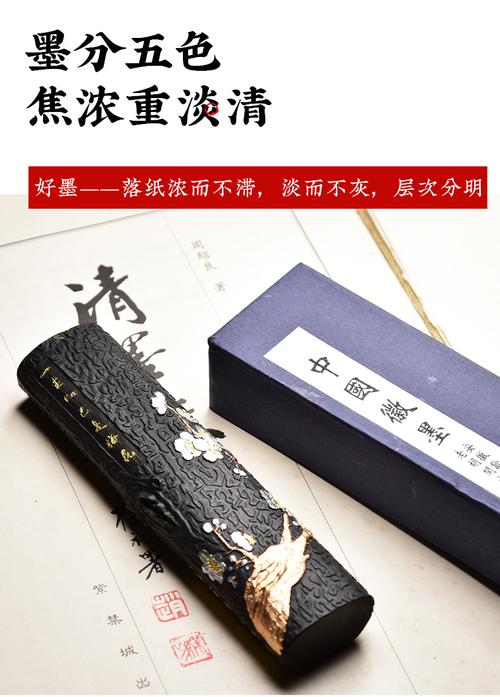
Huizhou Ink Stick : The Soul of Black Huizhou ink , produced in the ancient Huizhou region of Anhui province, represents the pinnacle of Chinese ink-making craft. For over a thousand years, these ink sticks have been essential tools for scholars, calligraphers, and painters seeking the subtle tonal variations that define Chinese ink art. The…

Underglaze Red Porcelain Guide: Youlihong and Copper-Red Glaze Techniques

Underglaze Red Porcelain Underglaze red porcelain represents one of ceramic history’s most technically challenging achievements. Using copper oxide as the coloring agent, artists painted designs onto unfired porcelain bodies before covering with transparent glaze and firing at high temperatures. The difficulty of controlling copper-red chemistry made successful pieces rare and valuable. The Technical Challenge Copper-red…

Linglong Porcelain Guide: Rice Grain Pattern and Pierced Ceramic Technique

Linglong Porcelain Linglong porcelain, also known as rice grain porcelain, features distinctive translucent patterns created by piercing the clay body before glazing. When glaze fills these openings and light passes through, the effect resembles grains of rice embedded in the ceramic surface. Technique and Production Production involves piercing small holes through the leather-hard clay body…

Tang Sancai Guide: Three-Color Glazed Pottery of the Tang Dynasty

Tang Sancai Guide: Three-Color Glazed Pottery of the Tang Dynasty

Tang Sancai Pottery Tang Sancai refers to the lead-fluxed glazes that dominated Tang dynasty ceramic production. Despite the name, the palette includes cream, amber, green, and blue tones, often splashed together to create flowing effects. These wares were primarily funerary objects. Production and Technique Sancai wares use earthenware bodies covered with low-fired lead glazes. The…

Cizhou Ware Guide: Painted and Sgraffito Ceramics from Northern China

Cizhou Ware Guide: Painted and Sgraffito Ceramics from Northern China

Cizhou Ware Cizhou ware represents a distinctive folk ceramic tradition from northern China, characterized by bold painted designs on cream-colored grounds. Unlike refined imperial wares, Cizhou pieces served practical functions for common people. Techniques and Decoration The most characteristic technique applies dark brown or black pigment onto white slip, creating strong graphic contrast. Sgraffito techniques…

End of content

End of content