
Ancient Kiln Techniques Guide: Wood-Firing, Dragon Kilns, and Traditional Firing

Ancient Kiln Techniques Traditional Chinese ceramics relied on kiln technologies that developed over millennia. From dragon kilns climbing hillsides to simple mantou domes, each design solved specific firing challenges. Understanding these technologies illuminates the constraints and possibilities facing historical potters. Wood-Firing Techniques Wood-firing uses timber as fuel, creating distinctive flame patterns and ash effects. The…

Zhuanghua and Special Silk Crafts Guide: Woven Gold, Velvet Flowers, and Drawnwork

Special Silk Crafts Beyond standard embroidery and brocade, Chinese textile arts developed specialized techniques for specific applications. Zhuanghua weaving, velvet flowers, drawnwork, and lace each served distinct purposes while demonstrating technical ingenuity. Zhuanghua Weaving Zhuanghua is a brocade technique using discontinuous weft patterns that create distinct color blocks. Unlike continuous weft brocade, zhuanghua allows unlimited…

Chinese Embroidery Techniques Guide: Double-Sided, Random Stitch, and Gold Thread

Chinese Embroidery Techniques Guide: Double-Sided, Random Stitch, and Gold Thread

Embroidery Techniques Chinese embroidery developed numerous specialized stitches and methods, each suited to particular effects. From the miraculous double-sided embroidery to the expressive random stitch, these techniques demonstrate the range of needlework possibilities. Double-Sided Embroidery Double-sided embroidery creates identical images on both sides of the fabric, with no visible reverse. The technique requires planning each…

Jade Carving Techniques Guide: Round, Relief, Openwork, and Chain Carving

Jade Carving Techniques Guide: Round, Relief, Openwork, and Chain Carving

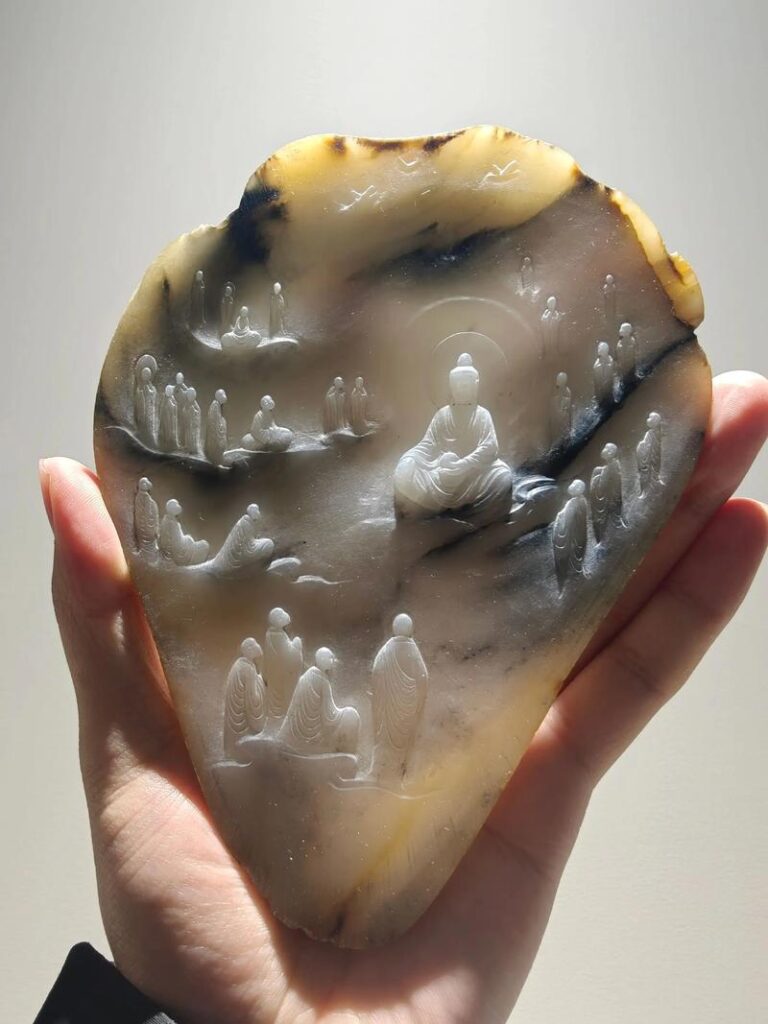
Jade Carving Techniques Jade carving employs diverse techniques to transform hard stone into intricate objects. From solid round sculptures to delicate openwork chains, each method presents distinct challenges and aesthetic possibilities. Basic Forms Round carving creates fully three-dimensional sculptures viewable from all angles. Relief carving raises designs from flat backgrounds, varying from shallow to deep….

Chinese Lacquerware Schools Guide: Fuzhou, Pingyao, Yangzhou, and Chengdu Styles

Chinese Lacquerware Schools Guide: Fuzhou, Pingyao, Yangzhou, and Chengdu Styles

Lacquerware Schools Regional lacquerware traditions developed distinctive styles and techniques. Fuzhou bodiless lacquer, Pingyao polished ware, Yangzhou mother-of-pearl inlay, and Chengdu carved and filled lacquer each represent unique approaches to this versatile material. Fuzhou Bodiless Lacquer Fuzhou bodiless lacquer builds objects from layers of lacquer-soaked cloth without wooden cores. The resulting pieces are remarkably lightweight…

Lacquer Decoration Techniques Guide: Gold, Inlay, and Patterned Finishes

Lacquer Decoration Techniques Lacquer accepts diverse decorative treatments that transform its natural surface into elaborate designs. From gold painting to complex inlay, these techniques demonstrate the material’s versatility and the craftsman’s ingenuity. Gold Techniques Gold-painted lacquer applies gold pigment to lacquer surfaces for luminous effects. Incised gold-filled lacquer cuts designs into lacquer, then fills the…

Monochrome Glaze Porcelain Guide: Single-Color Chinese Ceramic Mastery

Monochrome Glaze Porcelain Guide: Single-Color Chinese Ceramic Mastery

Monochrome Glaze Porcelain Monochrome glaze porcelain represents the pursuit of perfection through simplicity. Without painted decoration to distract, the glaze itself becomes the entire aesthetic statement. Imperial workshops devoted enormous resources to achieving pure, even coloration that transformed ceramic surfaces into objects of contemplation. The Challenge of Pure Color Creating flawless monochrome glazes requires precise…

End of content

End of content