Chinese Calligraphy Forms Guide: Scrolls, Fans, and Composition Formats

Chinese Calligraphy Forms Guide: Scrolls, Fans, and Composition Formats

Calligraphy Forms Chinese calligraphy appears in diverse formats, each with specific dimensions, functions, and compositional requirements. Understanding these forms is essential for proper appreciation and practice. Scroll Formats Central scrolls are large vertical formats for main display. Vertical scrolls are narrower hanging formats. Square formats suit compact spaces. Each requires different compositional approaches. Specialized Forms…

Chinese Clay and Dough Sculpture Guide: Tianjin Zhang, Huishan, and Sugar Arts

Chinese Clay and Dough Sculpture Guide: Tianjin Zhang, Huishan, and Sugar Arts

Clay and Dough Sculpture Modeling traditions use clay, dough, and sugar to create figurative art. From the famous Tianjin Clay Figure Zhang to folk sugar painting, these crafts demonstrate the Chinese ability to transform humble materials into sophisticated art. Tianjin Clay Figure Zhang The Zhang family of Tianjin developed clay sculpture to high art, creating…

Chinese Lantern Arts and Micro Carving Guide: Palace Lanterns and Miniature Crafts

Chinese Lantern Arts and Micro Carving Guide: Palace Lanterns and Miniature Crafts

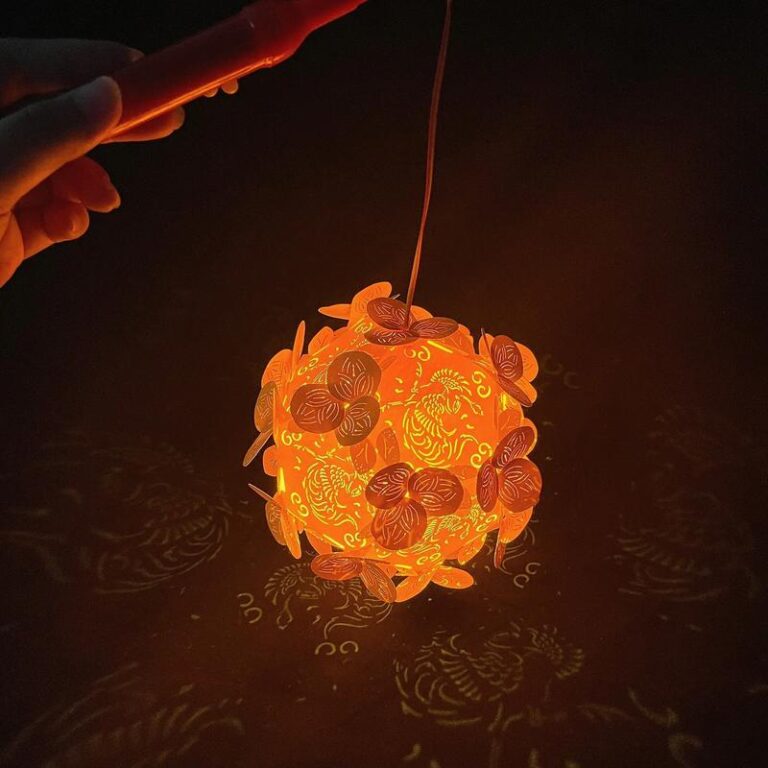
Lantern Arts and Micro Carving Chinese craft traditions include spectacular lantern making and extraordinarily detailed micro carving. These arts demonstrate opposite scales of ambition—lanterns that fill spaces and carvings that require magnification to appreciate. Lantern Types Palace lanterns feature elaborate frames with silk or glass panels painted with decorative designs. Revolving lanterns use candle heat…

Chinese Dyeing and Printing Guide: Batik, Tie-Dye, and Natural Dyes

Dyeing and Printing Textile decoration through resist dyeing and printing developed sophisticated techniques across China. Batik, tie-dye, and clamp-resist methods create patterned fabrics through controlled application of dye-resistant materials. Batik Batik uses hot wax as resist, applied with copper tools to create designs. The wax cracks during dyeing, creating characteristic veined patterns. Ethnic minority communities,…

Thangka Painting Guide: Tibetan Buddhist Scroll Art and Schools

Thangka Painting Guide: Tibetan Buddhist Scroll Art and Schools

Thangka Painting Thangka are Tibetan Buddhist paintings on cotton or silk appliqué, used for teaching and meditation. Strict iconographic rules govern depiction of deities, mandalas, and religious narratives. Different schools developed distinctive styles while maintaining doctrinal accuracy. Major Schools Regong thangka from Qinghai emphasizes fine detail and brilliant color. Menri school follows strict proportional systems…

Chinese Restoration Crafts Guide: Porcelain Stapling, Gold Repair, and Conservation

Chinese Restoration Crafts Guide: Porcelain Stapling, Gold Repair, and Conservation

Restoration Crafts Chinese material culture developed sophisticated repair traditions that treated damage as opportunity for enhanced beauty. Rather than hiding repairs, techniques like porcelain stapling and gold repair made them visible features. Porcelain Stapling Porcelain stapling repairs cracks by drilling holes and inserting metal staples. The technique requires precise drilling to avoid shattering the piece….

Chinese Gold and Silver Crafts Guide: Filigree, Chasing, and Casting Techniques

Chinese Gold and Silver Crafts Guide: Filigree, Chasing, and Casting Techniques

Gold and Silver Crafts Chinese metalworkers developed sophisticated techniques for working precious metals. Filigree, chasing, hammering, and casting each produce distinct effects suited to different applications. These techniques supported luxury production for imperial and elite patrons. Filigree and Inlay Filigree draws metal into fine wires that are twisted, curled, and soldered into delicate patterns. When…

Chinese Bamboo Arts Guide: Carving, Weaving, and Fine Bamboo Silk

Chinese Bamboo Arts Guide: Carving, Weaving, and Fine Bamboo Silk

Bamboo Arts Bamboo’s combination of strength, flexibility, and abundance made it essential to Chinese material culture. Carving, weaving, and fine splitting techniques transform this humble material into objects of remarkable sophistication. Bamboo Carving Bamboo carving works the hard outer skin and inner flesh to create sculptures, vessels, and decorative objects. The material’s fibrous structure allows…

Straw and Rattan Weaving Guide: Willow, Palm, and Cattail Crafts

Straw and Rattan Weaving Plant fibers beyond bamboo supported extensive weaving traditions. Willow, rattan, straw, palm, wheat straw, and cattail each provided materials for specific applications. These crafts served practical needs while achieving aesthetic refinement. Willow Weaving Willow weaving uses flexible willow withes for baskets, furniture, and containers. The material’s pliability allows tight, strong construction….

Chinese Regional Paper Cutting Guide: Northern Shaanxi, Yuxian, Yangzhou, and Foshan

Chinese Regional Paper Cutting Guide: Northern Shaanxi, Yuxian, Yangzhou, and Foshan

Regional Paper Cutting Traditions Paper cutting developed distinct regional styles across China, each reflecting local culture, function, and aesthetic preferences. From the bold forms of Northern Shaanxi to the delicate precision of Yueqing, these variations demonstrate the art’s adaptability. Northern Shaanxi Northern Shaanxi paper cutting features bold, simplified forms suited to rural life and ritual…

End of content

End of content