About
Overview
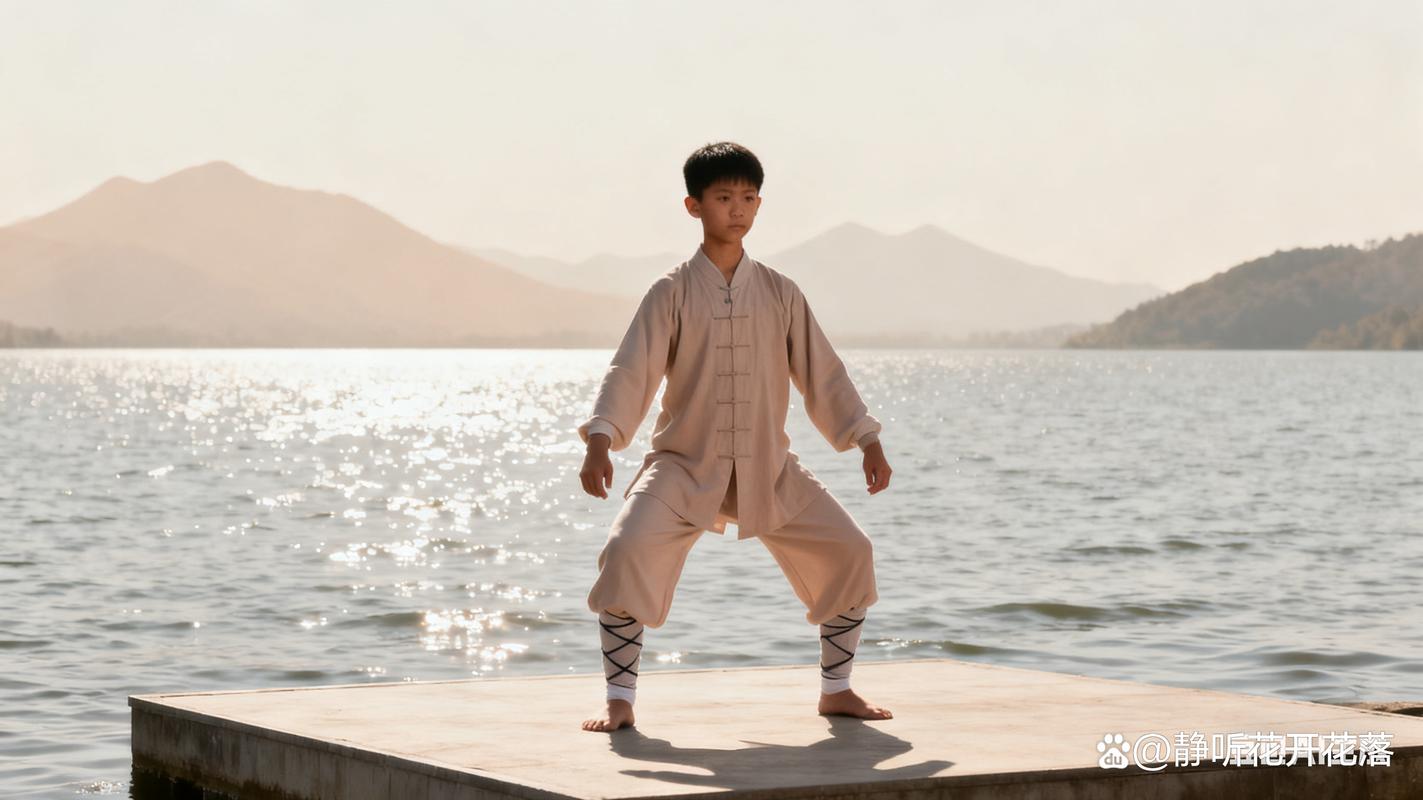
Standing Stake Practice represents an important aspect of Chinese cultural heritage, preserving valuable knowledge and practices that have been developed and refined over centuries.
Historical Background
Historical records document the development of Standing Stake Practice over many centuries, revealing how this practice evolved from early beginnings to its present form.
Cultural Significance
Standing Stake Practice holds significant cultural value as a practice that embodies traditional Chinese wisdom and artistic achievement.
Legacy and Development
Today, Standing Stake Practice continues to be practiced and appreciated both in China and internationally, as recognition grows of its cultural importance and artistic value. Contemporary practitioners work to preserve traditional methods while exploring new applications and expressions. Educational programs, museum exhibitions, and cultural institutions play vital roles in ensuring that this precious heritage is transmitted to future generations. The ongoing vitality of Standing Stake Practice demonstrates the enduring relevance of traditional Chinese culture in the modern world.
Origin
Shaolin Temple, Henan Province
Period
Spring and Autumn Period (770-476 BCE) to Present