About
Overview
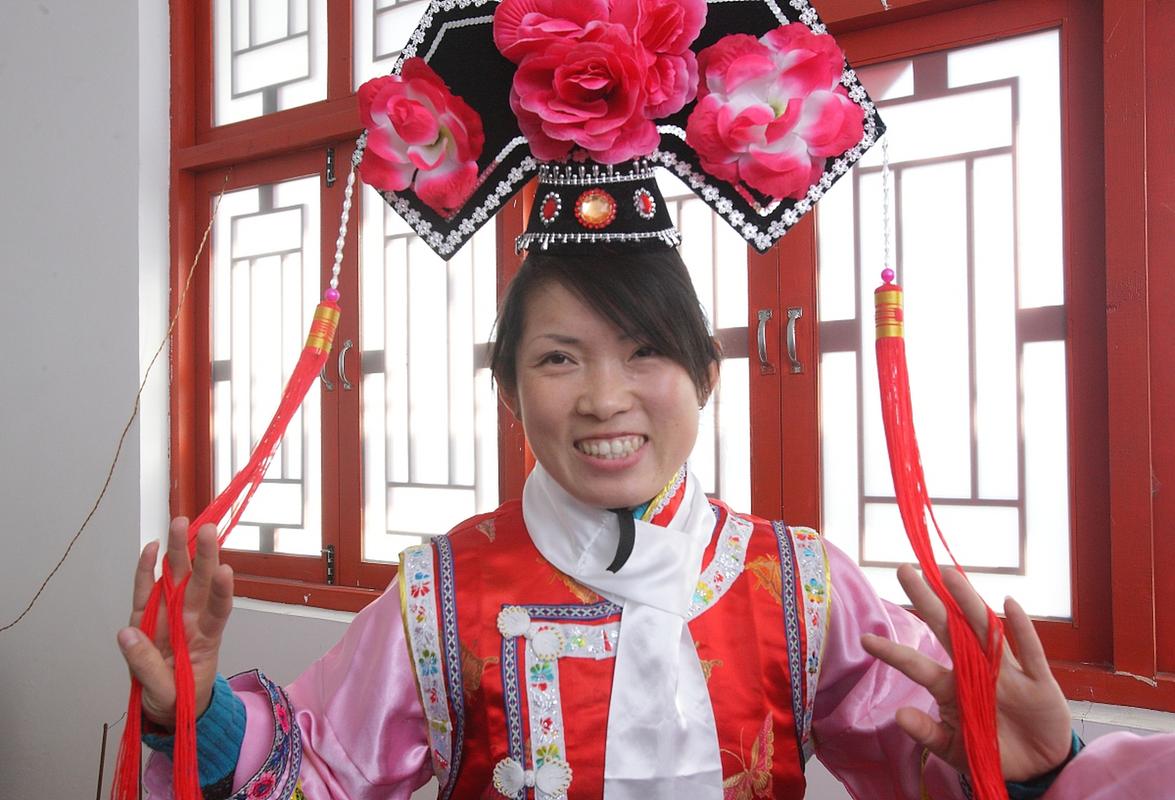
Manchu Costume exemplifies the rich tradition of Chinese costume and textile arts, where functional garments become vehicles for cultural expression, social identity, and artistic craftsmanship. These pieces reflect the deep connection between material culture and human experience.
Historical Background
The history of Manchu Costume reflects the complex social structures and cultural values of Chinese society across different historical periods. From ancient ceremonial garments to the sophisticated fashions of imperial courts, these wearable arts document the evolution of Chinese aesthetics, social hierarchy, and cultural identity. Regional variations developed distinct characteristics while sharing common cultural foundations.
Cultural Significance
Manchu Costume carries rich symbolic meanings related to social status, cultural identity, and personal expression. The materials and techniques used reflect available resources and technological capabilities, while the designs embody aesthetic preferences and cultural values. These wearable arts continue to play important roles in ceremonial occasions and cultural celebrations.
Legacy and Development
Today, Manchu Costume continues to be practiced and appreciated both in China and internationally, as recognition grows of its cultural importance and artistic value. Contemporary practitioners work to preserve traditional methods while exploring new applications and expressions. Educational programs, museum exhibitions, and cultural institutions play vital roles in ensuring that this precious heritage is transmitted to future generations. The ongoing vitality of Manchu Costume demonstrates the enduring relevance of traditional Chinese culture in the modern world.
Origin
Guizhou & Yunnan Provinces
Period
Zhou Dynasty (1046-256 BCE) to Present