About
Overview
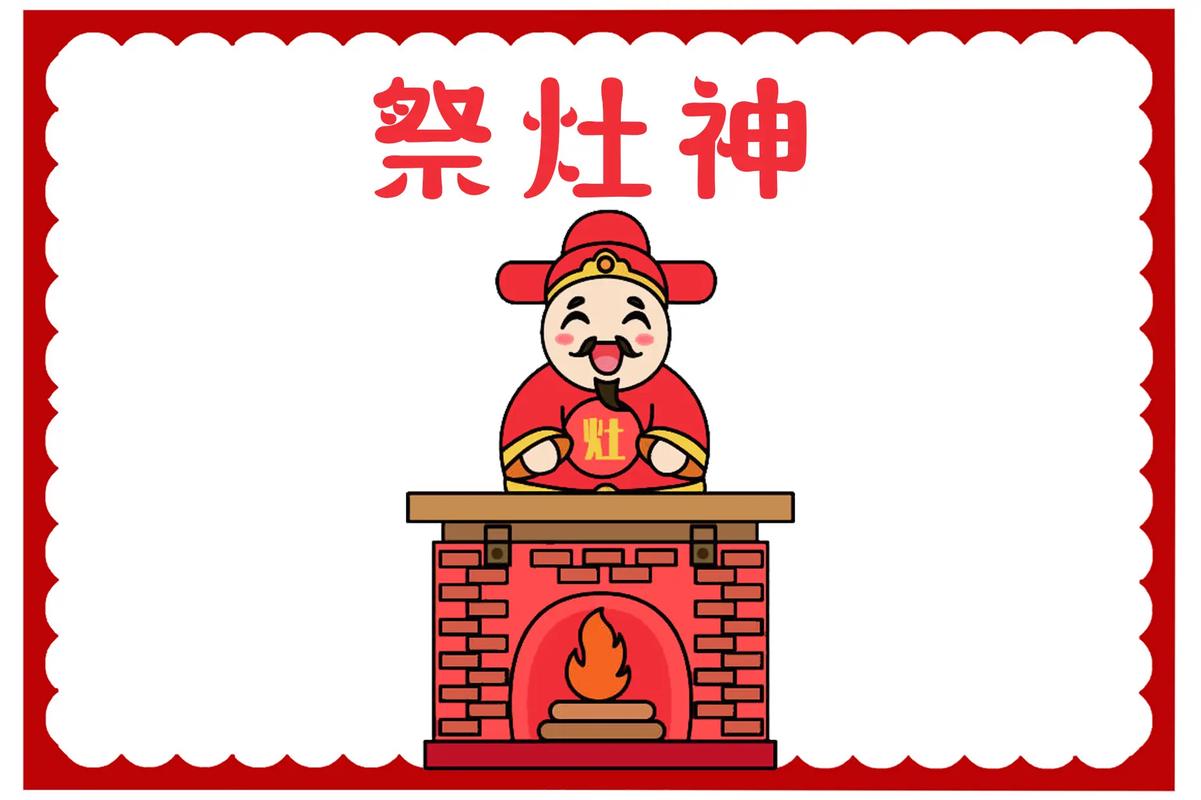
Kitchen God Print stands as a cornerstone of Chinese visual artistic expression, representing the sophisticated aesthetic sensibilities and philosophical depth that characterize traditional Chinese art. This form embodies the harmonious relationship between technique, expression, and cultural meaning.
Historical Background
The development of Kitchen God Print spans millennia of Chinese history, emerging from the philosophical and aesthetic foundations laid by early Chinese thinkers and artists. From its origins in ancient ritual practices to its refinement during the great dynasties, this art form has continuously evolved while maintaining its essential character. Master artists of each period contributed innovations that enriched the tradition while honoring its fundamental principles.
Cultural Significance
Kitchen God Print expresses fundamental Chinese aesthetic principles, including the importance of capturing the spirit or essence of subjects rather than mere physical appearance. The techniques employed require not only manual skill but also deep cultural knowledge and personal cultivation. These works serve as vehicles for philosophical expression and cultural transmission, communicating values and ideas across time and space.
Legacy and Development
Today, Kitchen God Print continues to be practiced and appreciated both in China and internationally, as recognition grows of its cultural importance and artistic value. Contemporary practitioners work to preserve traditional methods while exploring new applications and expressions. Educational programs, museum exhibitions, and cultural institutions play vital roles in ensuring that this precious heritage is transmitted to future generations. The ongoing vitality of Kitchen God Print demonstrates the enduring relevance of traditional Chinese culture in the modern world.
Origin
Yangliuqing, Tianjin
Period
Han Dynasty (206 BCE - 220 CE) to Present