About
Jingdezhen Porcelain, hailed as the “Porcelain Capital of China” and “World Ceramic Art Center”, is the most celebrated and influential ceramic tradition in China. Located in Jiangxi Province, Jingdezhen has a 1,700‑year continuous porcelain‑making history, with craftsmanship inscribed on the UNESCO Intangible Cultural Heritage List. It embodies Chinese aesthetics, philosophy, and artistry, and is globally recognized as a symbol of Eastern elegance.
1. History: From Ancient Kilns to Global Fame
- Tang Dynasty (618–907): Early ceramics, mainly celadon and white ware.
- Song Dynasty (960–1279): Famous for Qingbai (Shadow Blue) porcelain—thin, translucent, and elegant.
- Yuan Dynasty (1271–1368): Blue and White (Qinghua) and Underglaze Red (Yuli) invented; imperial kilns established.
- Ming Dynasty (1368–1644): Imperial Kiln (Yuyao) built; blue‑and‑white reached its peak; Doucai and Wucai developed.
- Qing Dynasty (1644–1912): Famille Rose (Fencai), Enamel (Falangcai), and Color Glazes perfected; porcelain art reached its apex.
- Modern Era: Revival of traditional craftsmanship and integration with contemporary design.
2. Core Characteristics
Jingdezhen porcelain is renowned for its iconic traits:
- As white as jade, bright as mirror, thin as paper, sound as chime.
- Pure white body: High kaolin content, fine texture.
- Rich glazes: Glossy, translucent, durable.
- Exquisite decoration: Painting, carving, and inlay techniques.
- High firing: Over 1,300°C, stable colors and durability.
3. Famous Types & Styles
Blue and White Porcelain (Qinghua)
- Most iconic: Cobalt oxide underglaze, blue patterns on white body.
- Features: Ever‑lasting color, elegant lines.
- Patterns: Landscapes, flowers, birds, dragons, and figures.
- Title: “White Gold of the East”.
Famille Rose (Fencai)
- Soft pastel colors: Delicate brushwork.
- Features: Gradients, fine details, realistic rendering.
- Peak: Qing Dynasty imperial wares.
Linglong (Rice Grain) Porcelain
- Pierced holes filled with glaze: Translucent dots.
- Effect: “Glowing rice grains” when held to light.
Doucai (Contrasting Colors)
- Combination of underglaze blue and overglaze colors.
- Rare & precious: Ming Chenghua masterpieces.
Color Glaze Porcelain
- Single‑color glazes: Red, yellow, green, blue, black.
- Famous: Sacrificial Red, Sky Blue, Tea Dust.
Sculpture Porcelain
- Figurines, animals, flowers, and architectural models.
- Mastery: Lifelike details, dynamic poses.
4. Traditional Craftsmanship (72 Steps)
Jingdezhen porcelain requires over 72 meticulous steps:
- Kaolin mining & washing: Purify white clay.
- Kneading & aging: Remove bubbles, enhance plasticity.
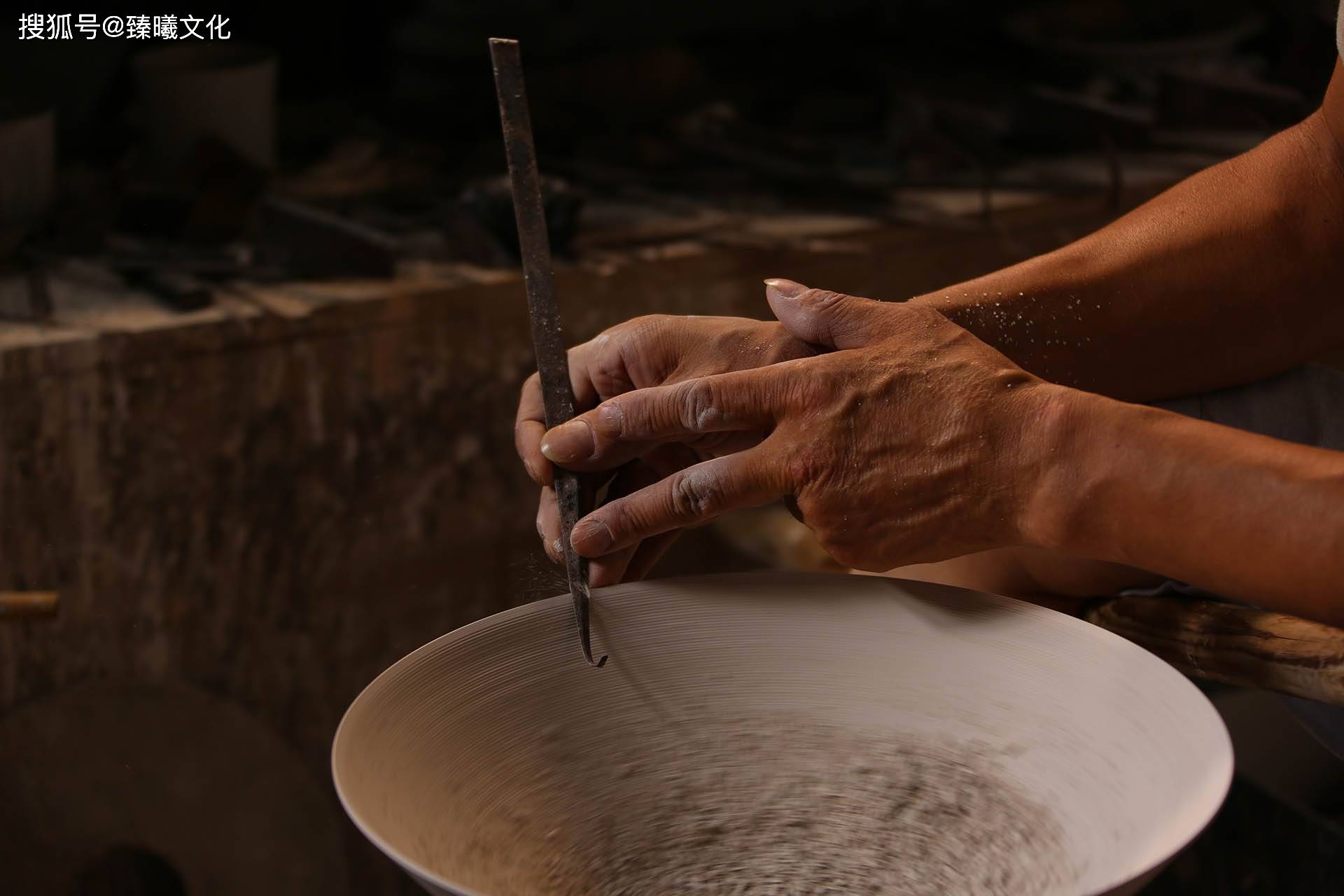
- Throwing & trimming: Shape on wheel, refine details.
- Drying & biscuit firing: Harden body at low temperature.
- Painting: Hand‑painted with mineral pigments.
- Glazing: Dip, pour, or spray glaze.
- High‑temperature firing: 1,300°C+ in wood‑fired kilns.
- Decoration & polishing: Gold tracing, carving, or inlay.
5. Cultural Significance & Global Influence
- Cultural Symbol: Merges poetry, painting, calligraphy, and sculpture.
- Imperial Legacy: For Ming/Qing emperors, symbolizing supreme craftsmanship.
- Global Trade: Key export via Maritime Silk Road; the word “china” derives from Jingdezhen’s ancient name “Changnan”.
- UNESCO Heritage: Handmade porcelain techniques inscribed.
- Modern Influence: Inspires contemporary design, fashion, and interior art.
6. Conclusion
Jingdezhen porcelain is not merely craft—it is a living cultural treasure and a timeless masterpiece of Eastern art. For millennia, its pure white body, vivid colors, and refined beauty have captivated the world, embodying the harmony of nature and humanity, and the pursuit of perfection in Chinese culture.
Masters
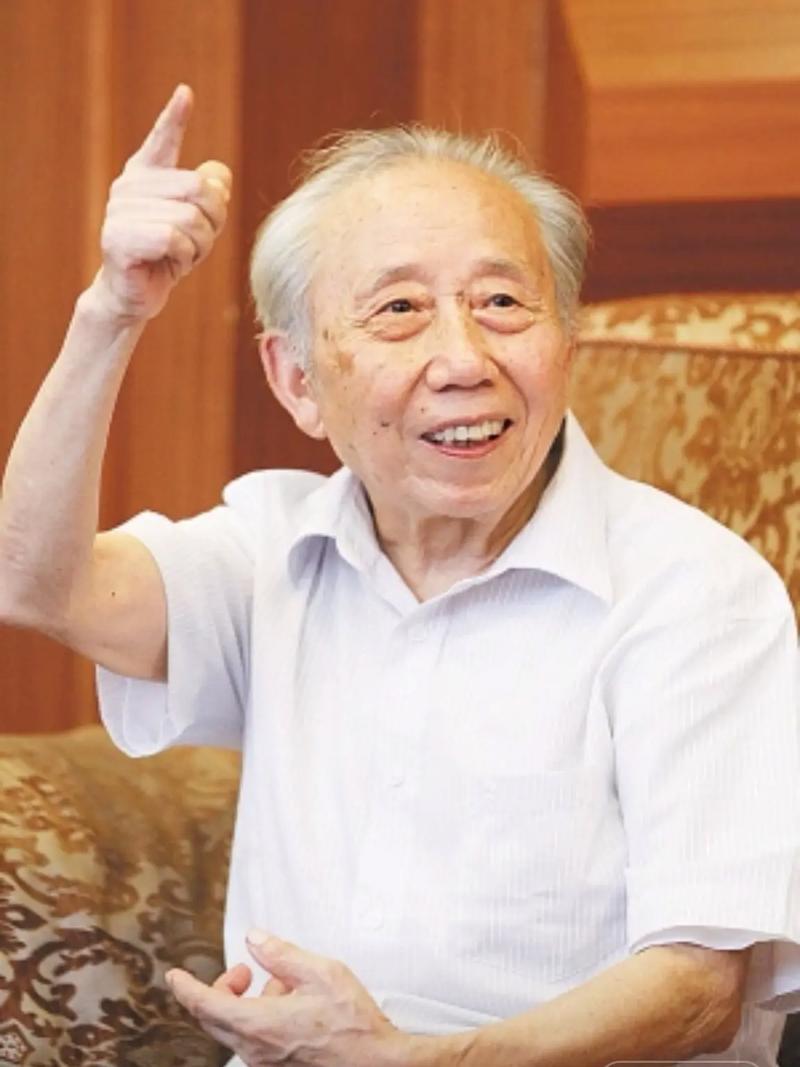
Wang Xiliang
First Batch of Chinese Arts and Crafts Masters (首批中国工艺美术大师)
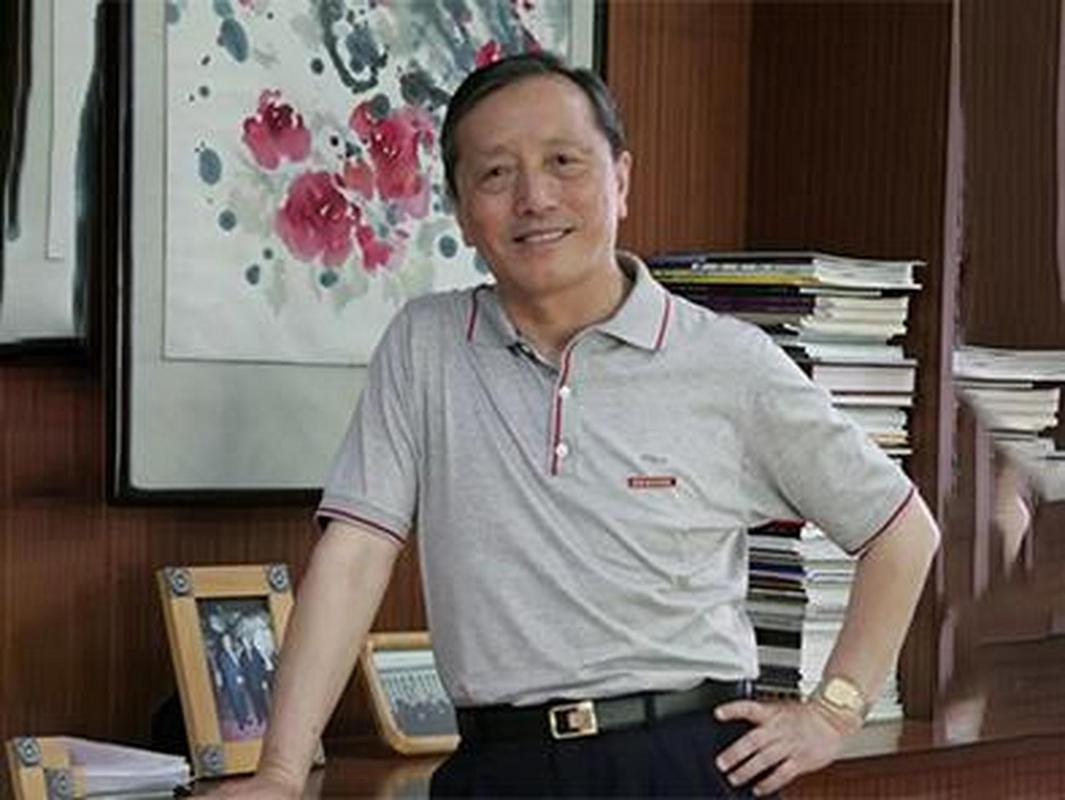
Qin Xilin
China Arts and Crafts Master, Former President of Jingdezhen Ceramic Institute
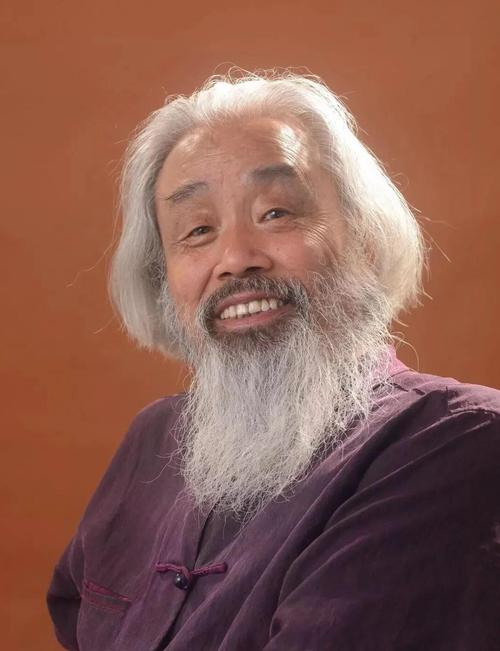
Tang Ziqiang
China Arts and Crafts Master, Ceramic Sculptor
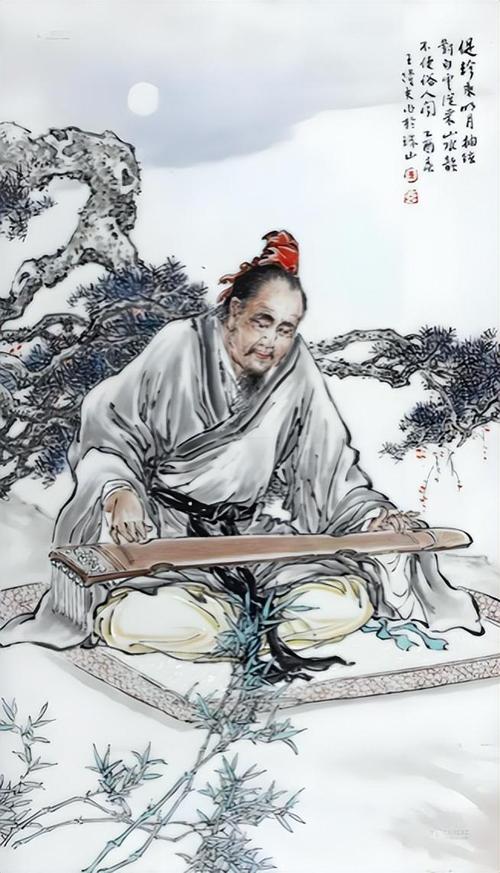
Wang Longfu
China Arts and Crafts Master, Also Known as 'Changnanzi'
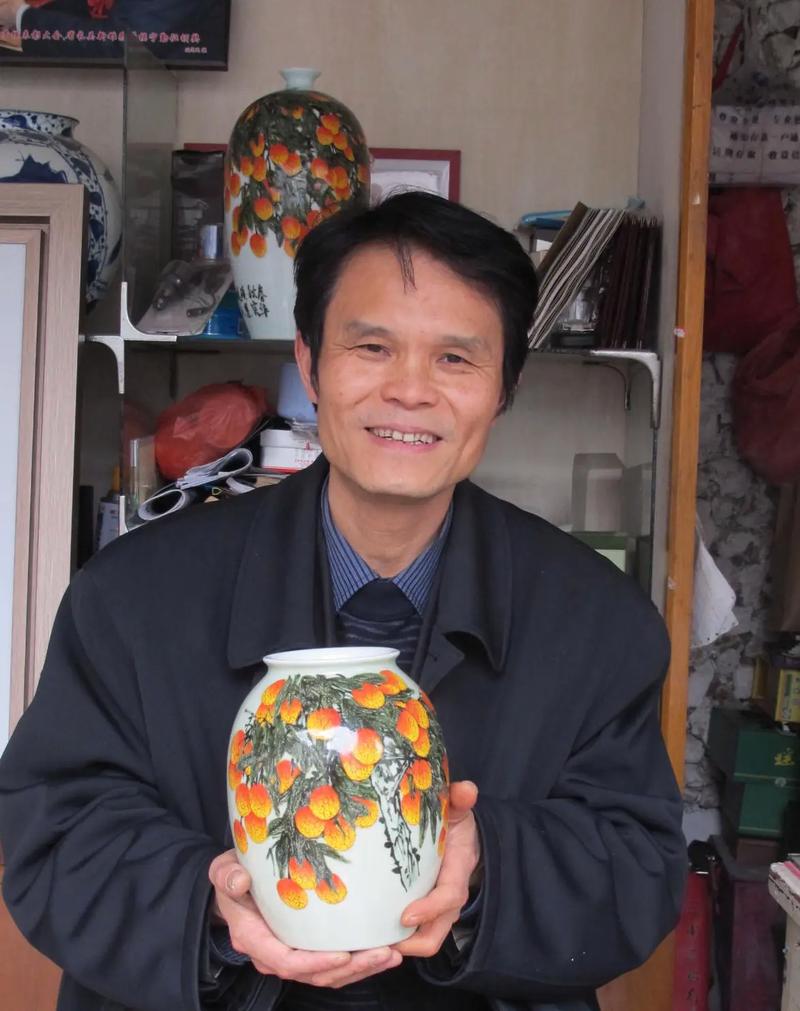
Ning Qinzheng
China Arts and Crafts Master, Deputy Director of Jingdezhen Ceramic Museum
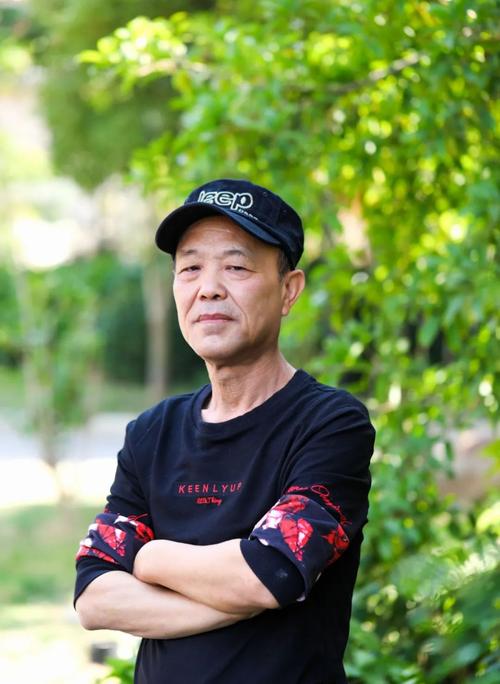
Cao Ximao
China National Arts and Crafts Master, Third Generation of Ceramic Family