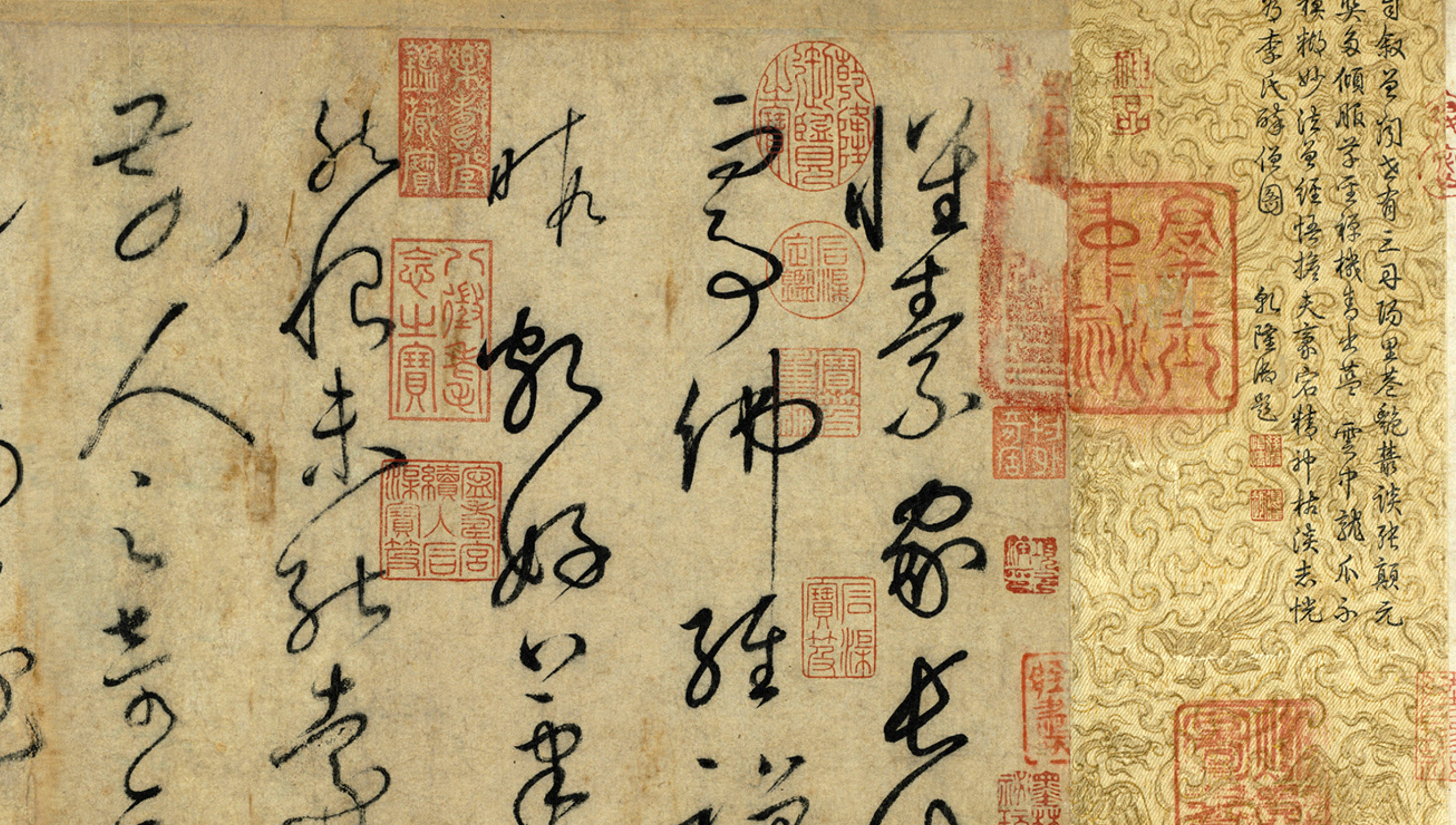
How to Choose Paper for Calligraphy Practice
Many well-known calligraphers likely did not start practicing on Xuan paper, simply because Xuan paper is expensive and not plentiful enough for daily practice. Of course, those with exceptional means...
Read guideHow to Choose a Fountain Pen
Fountain pens come in three types: gold-nib pens, iridium-tipped pens, and steel pens. Regardless of type, the following points should be noted when choosing one.1. The Nib Tip — Decisive for Lifespan...
Read guideHow to Write Well with a Ballpoint Pen
Understanding Ballpoint Pen CharacteristicsA ballpoint pen typically consists of a refill, barrel, and cap. Its writing function depends on a tiny metal ball rolling at the tip. Its key writing traits...
Read guideHow to Use and Maintain Fountain Pens
Even fountain pens of the same brand can have vastly different lifespans depending on how they are used and maintained. Although there are many types of fountain pens, the basic rules of use and care...
Read guideHow to Use and Maintain a Brush Pen
Different types of brush pens have different characteristics, so the way they should be opened differs. Sheep-hair (yanghao) and chicken-feather (jihao) brushes can be fully opened. Mixed-hair (jianha...
Read guideHow to Choose a Pen for Fountain Pen Calligraphy
The primary tool for fountain pen calligraphy is the fountain pen, though some practitioners also use dip pens or self-made fine-barrel nibs. Many calligraphers customize their nibs through careful mo...
Read guideA Brief Guide to Selecting Calligraphy Pens and Fude Pens
Many calligraphy enthusiasts favor fude pens (art pens with bent nibs), because their curved tip offers expressive power that ordinary fountain pens cannot match. The author has previously shared some...
Read guide