About
Chinese tea, one of the world’s oldest and most celebrated beverages, is not merely a drink but a cultural symbol, a way of life, a spiritual practice, and a UNESCO-listed intangible cultural heritage. With a history spanning over 5,000 years, tea has deeply woven into Chinese daily life, philosophy, literature, art, and social etiquette. It is revered as one of the Seven Daily Necessities (firewood, rice, oil, salt, sauce, vinegar, tea) and a core element of Chinese hospitality.
Origin & Long History
Tea’s origins are rooted in ancient China, with legends tracing its discovery to Shennong (the Divine Farmer) around 2737 BCE. It is said Shennong tasted hundreds of herbs and found tea leaves detoxified the body.
- Ancient Times (Before Tang): Tea was initially used as medicine and herbal drink, consumed raw or boiled. By the Han Dynasty, it became a daily beverage, and tea trade began.
- Tang Dynasty (618–907): Tea culture flourished. Lu Yu’s The Classic of Tea (the world’s first tea monograph) standardized tea knowledge. Tea spread to Japan and Korea.
- Song Dynasty (960–1279): Tea art reached its peak. Diancha (whisked tea) and tea competitions (Doucha) were popular among scholars.
- Ming & Qing Dynasties (1368–1912): Modern tea processing emerged. Loose-leaf tea replaced compressed tea cakes. The six major tea categories took shape, and tea became China’s key export, fueling the Maritime Silk Road.
- Modern Era: Chinese tea gained global fame, with premium varieties renowned worldwide.
Six Major Tea Categories (Core Classification)
Chinese tea is classified by oxidation degree and processing method into six core types, each with unique flavor, aroma, color, and health benefits.
1. Green Tea (Unoxidized, 0%)
- Features: Fresh, grassy, floral aroma; light green liquor; sweet, brisk taste.
- Processing: Fixation → Rolling → Drying (no fermentation). Preserves maximum nutrients (vitamin C, catechins).
- Famous Varieties: Longjing (Dragon Well, Hangzhou), Biluochun (Green Snail Spring, Suzhou), Huangshan Maofeng (Yellow Mountain Fur Peak), Xinyang Maojian.
2. White Tea (Slightly Oxidized, 5–10%)
- Features: Delicate, honeyed, floral aroma; pale yellow liquor; mellow, sweet, smooth taste.
- Processing: Withering → Drying (simplest, no rolling/fixing). The least processed tea, high in antioxidants.
- Famous Varieties: Baihao Yinzhen (Silver Needle, Fuding), Baimudan (White Peony), Shoumei.
3. Yellow Tea (Lightly Oxidized, 10–20%)
- Features: Mellow, sweet, chestnut aroma; golden yellow liquor; soft, smooth taste.
- Processing: Green tea steps + Yellowing (闷黄)—the key unique process. Removes astringency, adds sweetness.
- Famous Varieties: Junshan Yinzhen (Junshan Silver Needle), Mengding Huangya, Huoshan Huangcha.
4. Oolong Tea (Semi-Oxidized, 15–70%)
- Features: Rich, complex aroma (floral, fruity, roasted); amber liquor; balanced sweet, bitter, and fragrant taste.
- Processing: Withering → Shaking → Fixation → Rolling → Roasting. Combines green tea’s freshness and black tea’s richness.
- Famous Varieties: Tieguanyin (Iron Goddess, Fujian), Da Hong Pao (Big Red Robe, Wuyi Rock Tea), Dongding Oolong (Taiwan), Phoenix Dancong.
5. Black Tea (Fully Oxidized, 80–100%)
- Features: Warm, sweet, malty, fruity aroma; reddish-brown liquor; smooth, sweet taste.
- Processing: Withering → Rolling → Fermentation → Drying. Full oxidation transforms tea polyphenols into theaflavins, giving color and flavor.
- Famous Varieties: Keemun Black Tea (Qimen Hongcha, Anhui), Dianhong (Yunnan Black Tea), Lapsang Souchong (Zhengshan Xiaozhong, Fujian), Yingde Black Tea.
6. Dark Tea (Post-Fermented, ≥100%)
- Features: Earthy, woody, aged aroma; dark red/brown liquor; mellow, smooth, sweet taste.
- Processing: Fixation → Rolling → Piling (post-fermentation) → Drying → Aging. Fermented by natural microbes; ages well, improving with time.
- Famous Varieties: Pu-erh Tea (Yunnan, raw/shou), Liu Bao Tea (Guangxi), Hunan Dark Tea, Sichuan Dark Tea.
Tea Production Regions
China’s diverse climate and geography create ideal tea-growing conditions, with four major tea regions:
- Jiangnan Region: Green tea hub (Zhejiang, Anhui, Jiangsu).
- South China Region: Oolong, black, white tea (Fujian, Guangdong, Taiwan).
- Southwest Region: Dark tea, black tea (Yunnan, Sichuan, Guizhou).
- North China Region: Limited green tea (Shandong, Henan).
Traditional Tea Culture & Tea Ceremony
Tea culture (Chayi) is central to Chinese identity, blending Confucian harmony, Taoist simplicity, Buddhist tranquility.
Core Concepts
- He (Harmony): Tea fosters peaceful interactions and balanced life.
- Jing (Tranquility): Tea drinking calms the mind, aids meditation.
- Yi (Elegance): Refined manners and appreciation of beauty.
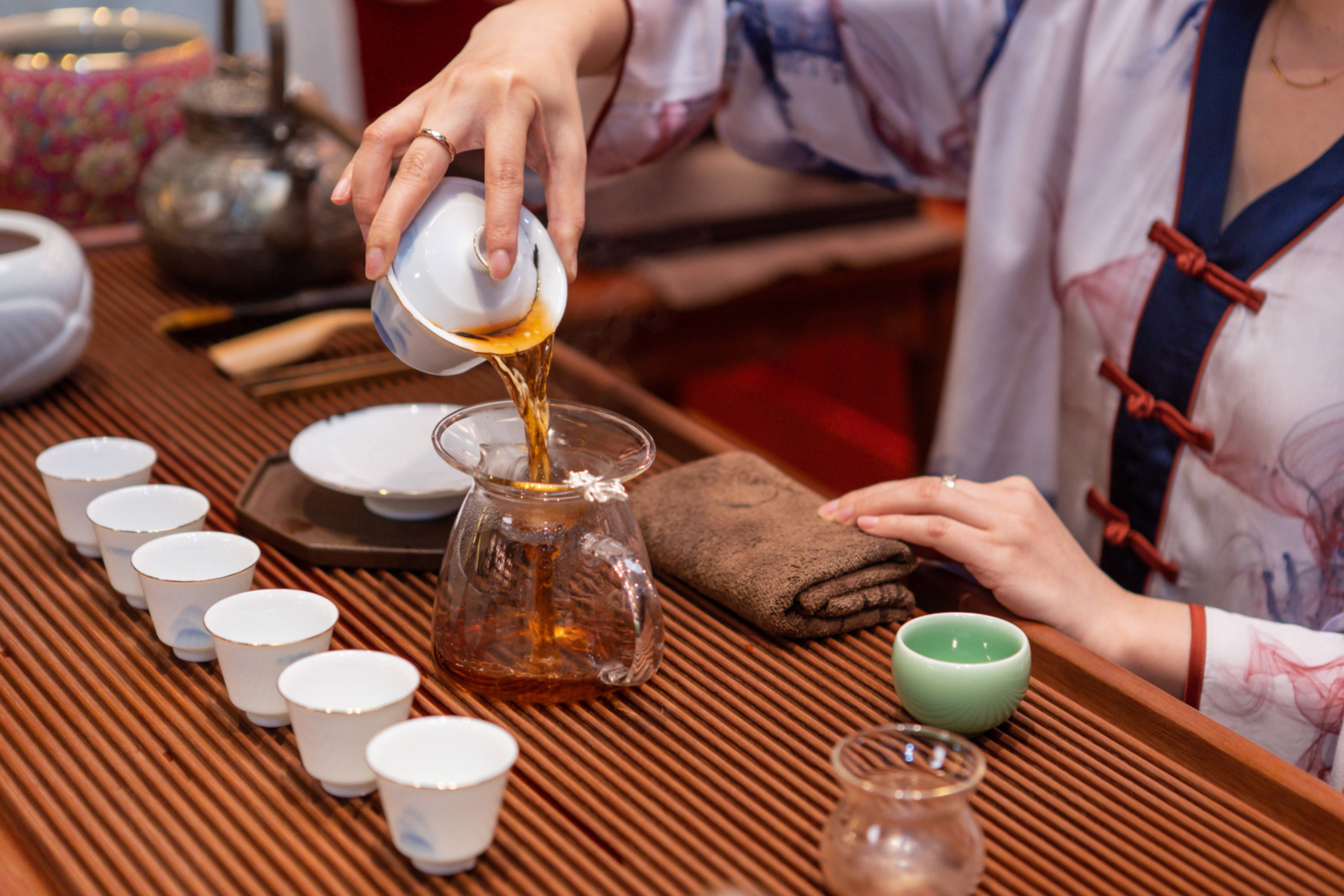
Tea Ceremony (Chadao)
A ritualized art of preparing and drinking tea, emphasizing mindfulness, respect, purity, serenity. Key elements:
- Utensils: Teapot, teacup, tea tray, tea spoon, kettle.
- Steps: Select tea → Warm utensils → Rinse tea → Brew → Serve → Taste.
- Styles: Cantonese Kung Fu Tea, Longjing Green Tea Ceremony, Oolong Tea Ceremony.
Health Benefits
Chinese tea is valued for both taste and wellness, backed by thousands of years of use and modern research:
- Green Tea: Rich in catechins; boosts metabolism, antioxidants, aids digestion.
- White Tea: High in antioxidants; anti-aging, immune support.
- Oolong Tea: Balances fat metabolism; aids weight management.
- Black Tea: Warm stomach, improves blood circulation.
- Dark Tea: Aids digestion, reduces greasiness, gut health.
Global Influence & Legacy
Chinese tea is the origin of all global tea traditions (e.g., Japanese tea ceremony, British afternoon tea). It shaped global trade, diplomacy, and culture. Today, Chinese tea remains a symbol of Eastern wisdom, natural harmony, and refined living, cherished worldwide as a timeless treasure.
Masters
Guides

Chinese Brewing and Tea Making Guide: Baijiu, Huangjiu, and Tea Traditions
Brewing and Tea MakingFermentation and processing traditions transform agricultural products into alcohol and tea. These...
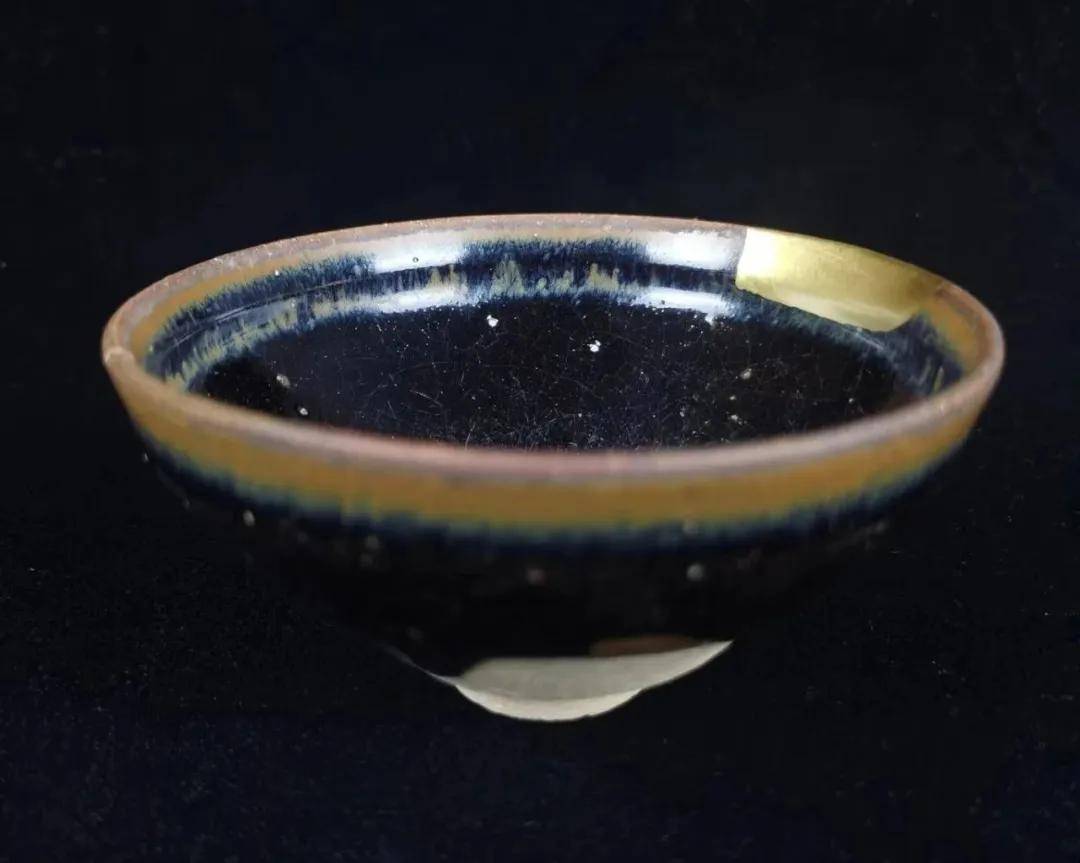
A Connoisseur's Guide to Chinese Porcelain Tea Sets — White, Celadon, and Black Porcelain
Chinese porcelain tea sets emerged after pottery, and once porcelain was invented, clay tea vessels were gradually suppl...
The Origins and Evolution of Chinese Tea Culture: From Shennong to Modern Times
Chinese tea culture is one of the oldest and most profound cultural traditions in human history, stretching back over fo...
Understanding China's Six Great Tea Categories: A Complete Guide
China, the birthplace of tea, boasts an extraordinary diversity of tea varieties that can be classified into six major c...
The Art of Chinese Tea Processing: From Leaf to Cup
The transformation of fresh tea leaves into the fragrant, flavorful beverage enjoyed around the world is a testament to...
Chinese Tea Ceremony: Philosophy, Etiquette, and Practice
The Chinese tea ceremony is far more than a method of preparing and serving tea; it is a profound cultural practice that...