History of Chinese Stone Lions
Chinese Stone Lions, popularly known as "Guardian Lions" or "Shi-Shi," have stood at the entrances of palaces, temples, and government offices for centuries. Although lions are not native to China, they were introduced as gifts from Central Asian kingdoms during the Han Dynasty and quickly became symbols of power and protection.
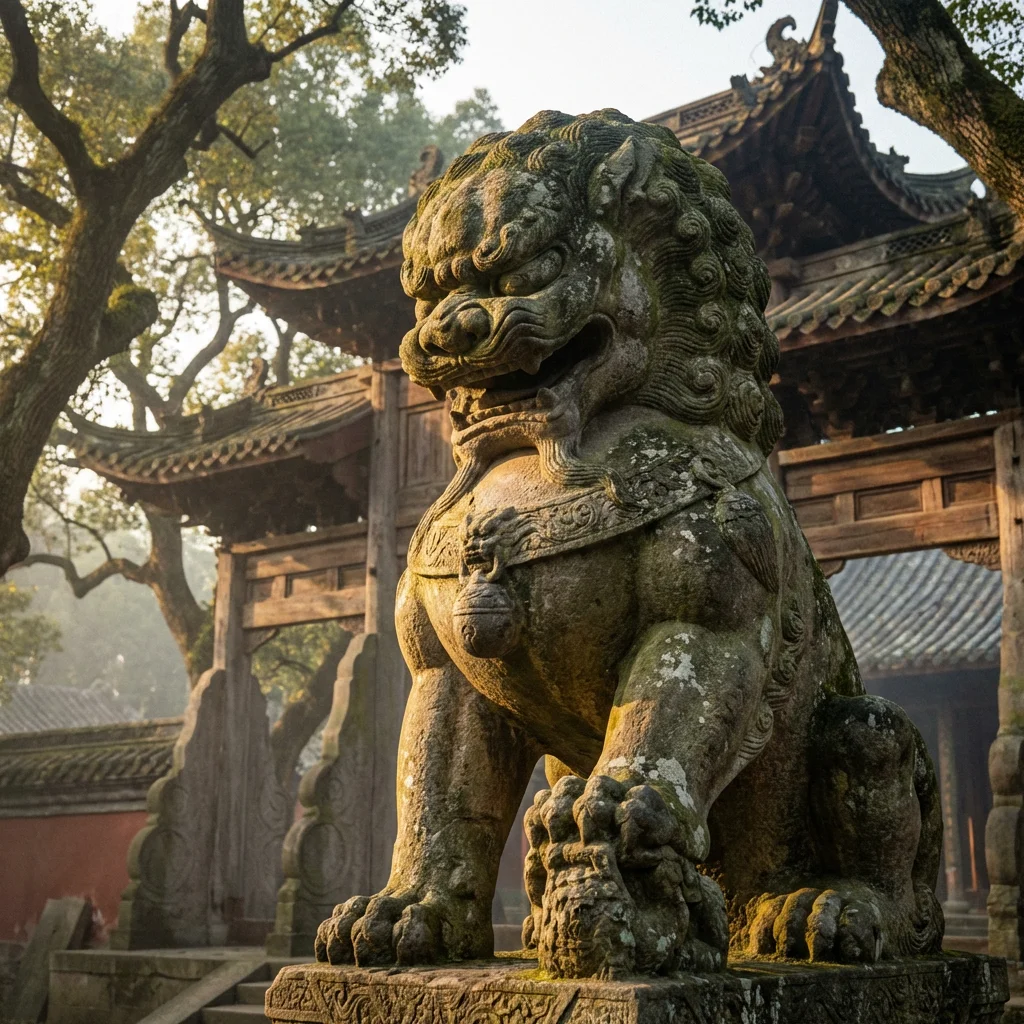
Different Types and Styles
Over time, various regional styles emerged. Northern lions are typically more muscular and imposing, reflecting imperial power. Southern lions, such as those from Fujian and Guangdong, are often more decorative and playful, sometimes featuring bells or movable stone balls in their mouths.
Symbolism and Placement Rules
Stone lions are almost always placed in pairs. When facing the entrance, the male lion (symbolizing Yang) is on the right, resting his paw on a globe or ball. The female lion (symbolizing Yin) is on the left, tending to a cub. Together, they represent the protection of the building and the prosperity of its inhabitants.
The Craft of Stone Carving
Carving a pair of guardian lions requires immense skill. Artisans must select durable stone (like granite or marble) and use a variety of chisels and hammers to bring the mythical beast to life. Every detail, from the curls of the mane to the texture of the paw, is carefully considered to convey strength and auspiciousness.
Frequently Asked Questions
Why do some stone lions have balls in their mouths?
The ball represents a "pearl of wisdom" or a "treasure ball." In many southern styles, the ball is carved from the same piece of stone as the lion but is loose and can be rolled around, showcasing the carver"s incredible precision.
Can I put stone lions in my home?
Traditionally, they are placed outside at the main entrance. For indoor use, smaller versions are acceptable as decorative ornaments, but they should still follow the correct left-right placement rules.
Are all stone lions the same?
No, their appearance varies greatly depending on the dynasty and region. Tang Dynasty lions are often fierce and realistic, while Qing Dynasty lions tend to be more ornate and stylized. | 



 Posted an update: