The Soul of Tea: Zisha Teapots
Zisha teapots, originating from Yixing in Jiangsu Province, are regarded by tea connoisseurs as the finest vessels for brewing tea. Their history dates back to the Song Dynasty, becoming a staple of scholar-official culture during the Ming and Qing eras.
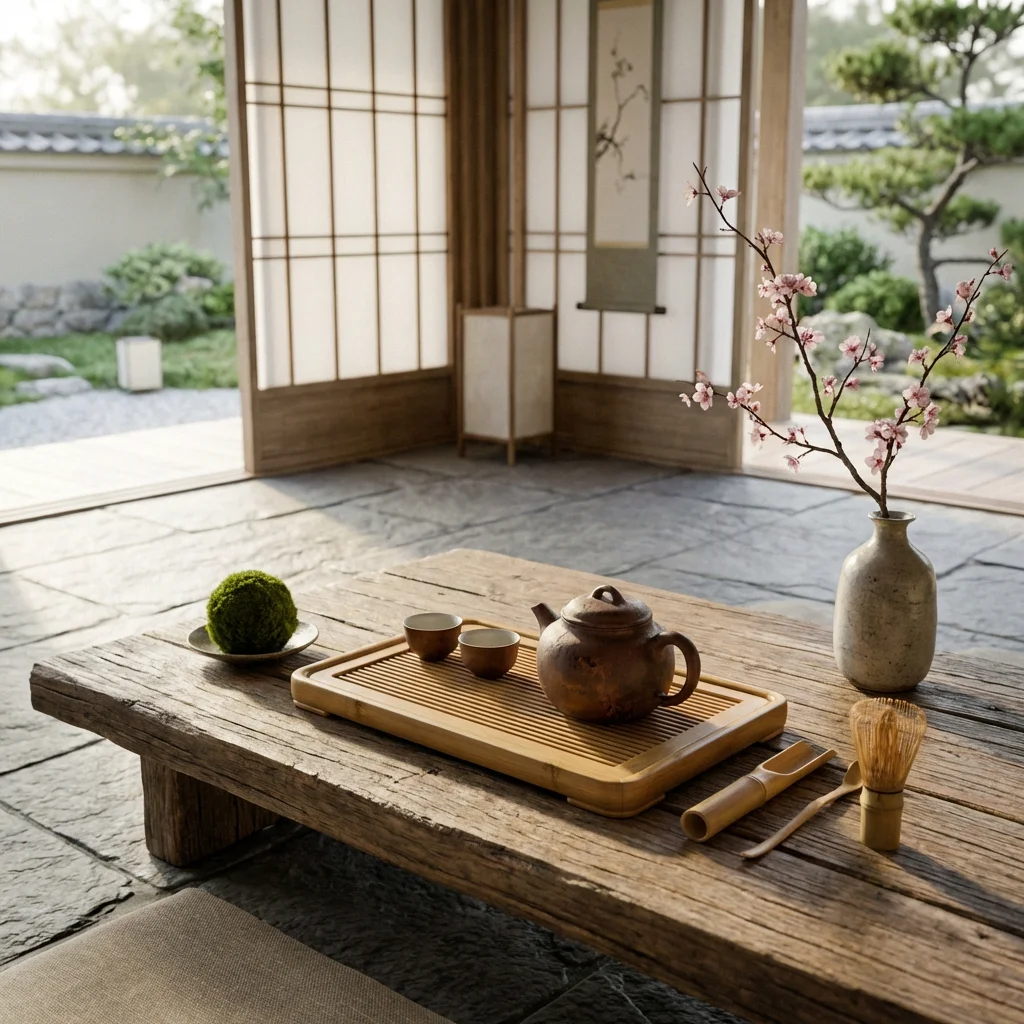
The Unique Purple Clay (Zisha)
The "Purple Clay" found only in Yixing is actually a type of mineral-rich sedimentary rock. Once processed, it becomes a porous material that is unglazed. These microscopic pores allow the teapot to "breathe" and absorb the essential oils and flavors of the tea over time.
Hand-Crafting Techniques
True Zisha teapots are never made on a potter"s wheel. Instead, they are handcrafted using techniques like "slab-building" and "beating the clay body." Masters spend years perfecting the balance between the lid, the spout, and the handle to ensure a smooth, effortless pour.
Tea Culture and the Teapot"s "Life"
A Zisha teapot is said to have its own life. As it is used, the clay absorbs the tea, and its surface develops a beautiful, mellow patina. Dedicated tea drinkers often dedicate one teapot to a single type of tea to preserve the purity of the flavor.
Frequently Asked Questions
Why are some Zisha teapots so expensive?
The price depends on the quality of the clay (rare ores), the fame of the master artisan, and the complexity of the design. A masterpiece by a national-level master can be worth millions of dollars.
How should I clean my Zisha teapot?
Never use soap or detergent! Simply rinse the teapot with hot water and wipe it with a soft cloth. Soap will penetrate the pores of the clay and ruin the flavor of future brews.
Do I need to "season" a new teapot?
Yes, many enthusiasts "season" or "prime" a new teapot by boiling it with tea leaves to remove the "earthy" smell and begin the absorption process. | 



 Posted an update: 2026-4-3 11:57:48 26