The Rustic Charm of Straw Weaving
Straw weaving is one of China"s most ancient and widespread folk arts. Using materials like wheat straw, corn husks, and wild grasses, artisans create a vast array of practical and decorative items that embody the simplicity and resourcefulness of rural life.
Regional Styles in China
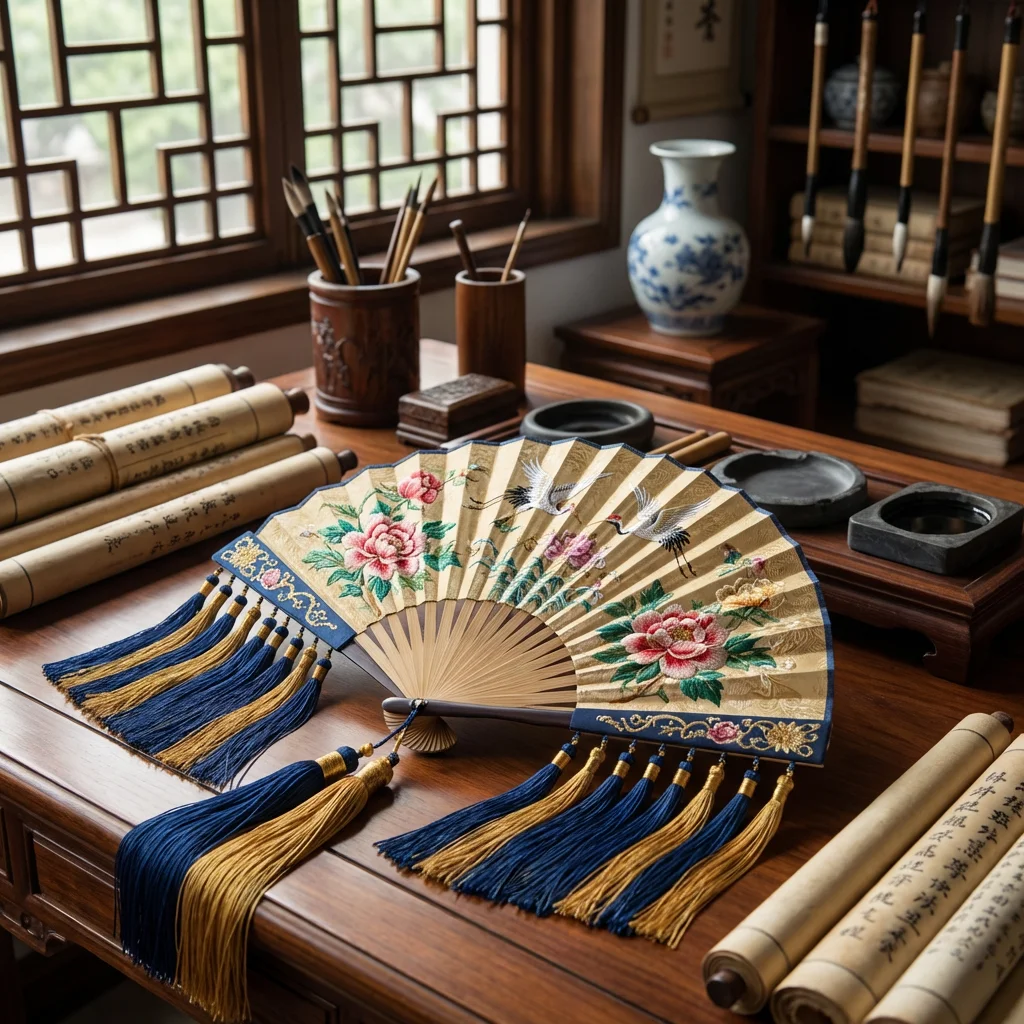
Shandong and Hebei provinces are particularly famous for their wheat straw weaving. In the south, straw weaving often utilizes aquatic grasses found in the Yangtze River delta. Each region has its own unique braiding patterns and traditional shapes, from delicate fans to sturdy floor mats.
Common Materials and Tools
The primary materials are stalks of wheat, rice, and barley. These are soaked to make them pliable, sometimes bleached or dyed, and then braided into long strips that are sewn or woven together. The only tools required are usually a simple needle, thread, and a pair of scissors.
Cultural Significance and Festivals
Straw woven items are often featured in traditional festivals. In many regions, straw fans and ornaments are given as gifts during the Dragon Boat Festival, symbolizing coolness and protection from bad spirits during the hot summer months.
Frequently Asked Questions
Is straw weaving durable?
While not as hard as wood or bamboo, straw woven items are surprisingly resilient. A well-made straw hat or mat can withstand regular use for several seasons if kept dry.
Can straw weaving be washed?
It is not recommended to soak straw woven items. If they get dirty, wipe them gently with a damp cloth and allow them to air dry completely in a shaded area.
What is the most famous straw woven product?
The straw hat is the most iconic, but decorative straw paintings (using flattened straw as a veneer) are also highly regarded as a unique form of folk art. | 



 Posted an update: 2026-4-3 11:56:48 23