The Versatility of Bamboo
Bamboo weaving is an ancient Chinese craft that transforms a simple natural grass into intricate and durable objects. Known for its strength and flexibility, bamboo has been woven into everything from agricultural baskets to fine decorative arts for millennia.
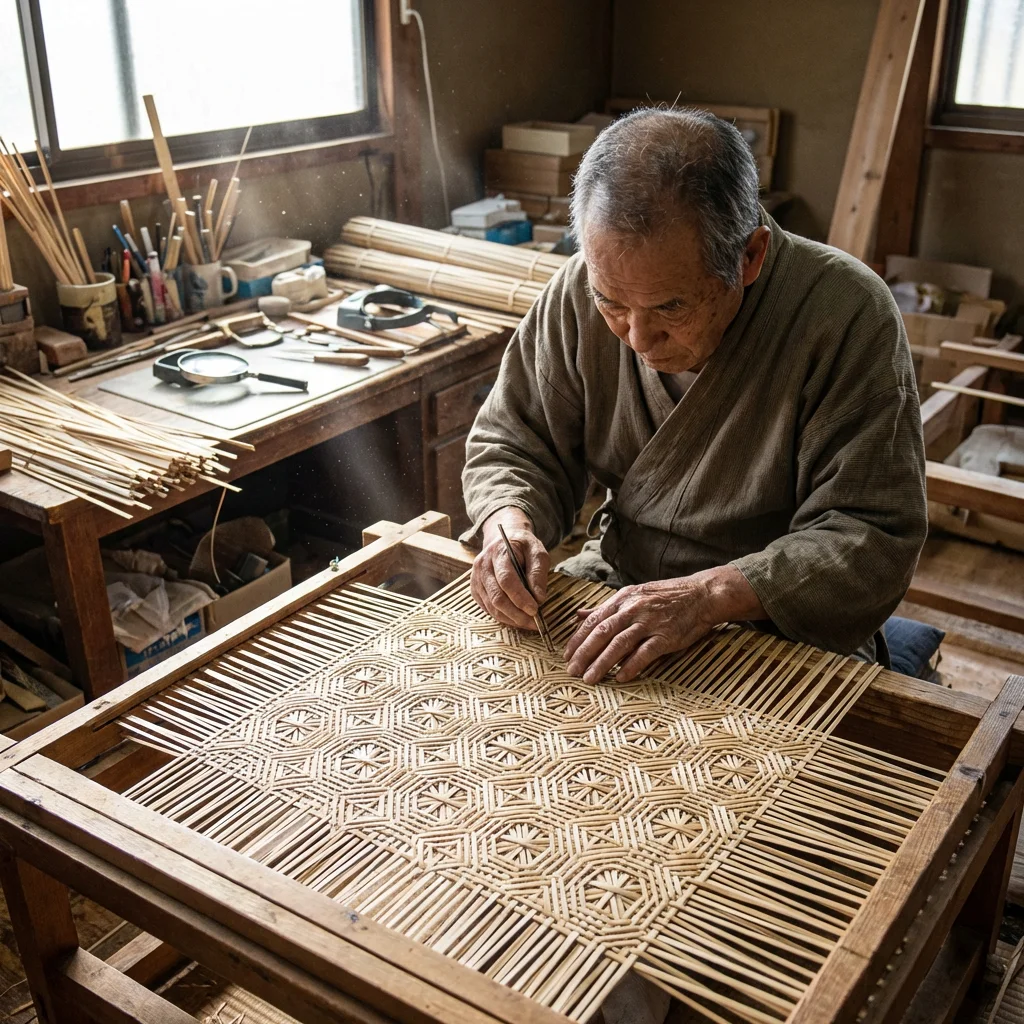
Techniques of Bamboo Weaving
The process begins with selecting the right bamboo, typically three to four years old. The bamboo is split into thin strips, sometimes as fine as hair. These strips are then woven using various patterns like the "twill weave," "hexagonal weave," and "chrysanthemum weave" to create complex 3D forms.
Daily Objects and Artistic Masterpieces
While bamboo weaving is often associated with functional items like hats and mats, it also reaches the heights of fine art. "Sichuan Bamboo Weaving over Porcelain" is a unique technique where extremely thin bamboo strips are woven directly onto a porcelain vase, creating a stunning fusion of materials.
Eco-Friendly Future of Bamboo
As the world looks for sustainable alternatives to plastic, bamboo weaving is seeing a resurgence. Modern designers are using these traditional techniques to create eco-friendly furniture, fashion accessories, and packaging that are both beautiful and biodegradable.
Frequently Asked Questions
How long does bamboo woven art last?
With proper care—keeping it dry and away from direct sunlight—bamboo woven objects can last for decades. Some antique pieces are over a hundred years old.
Is bamboo weaving difficult to learn?
Basic weaving is accessible, but mastering the fine, hair-thin weaving of masters takes years of dedicated practice and a deep understanding of the material"s properties.
Can bamboo weaving be done by machine?
While some simple patterns can be mechanized, the most intricate and high-quality bamboo weaving is still done entirely by hand, as machines cannot yet replicate the subtle tension and adjustments made by human fingers. | 



 Posted an update: 2026-4-3 11:56:45 22