Jade: The Stone of Heaven
In Chinese culture, jade (Yu) is more than just a gemstone; it is a symbol of virtue, status, and spirituality. For over 8,000 years, the Chinese have carved jade into ritual objects, jewelry, and talismans, believing it possesses the essence of heaven and earth.
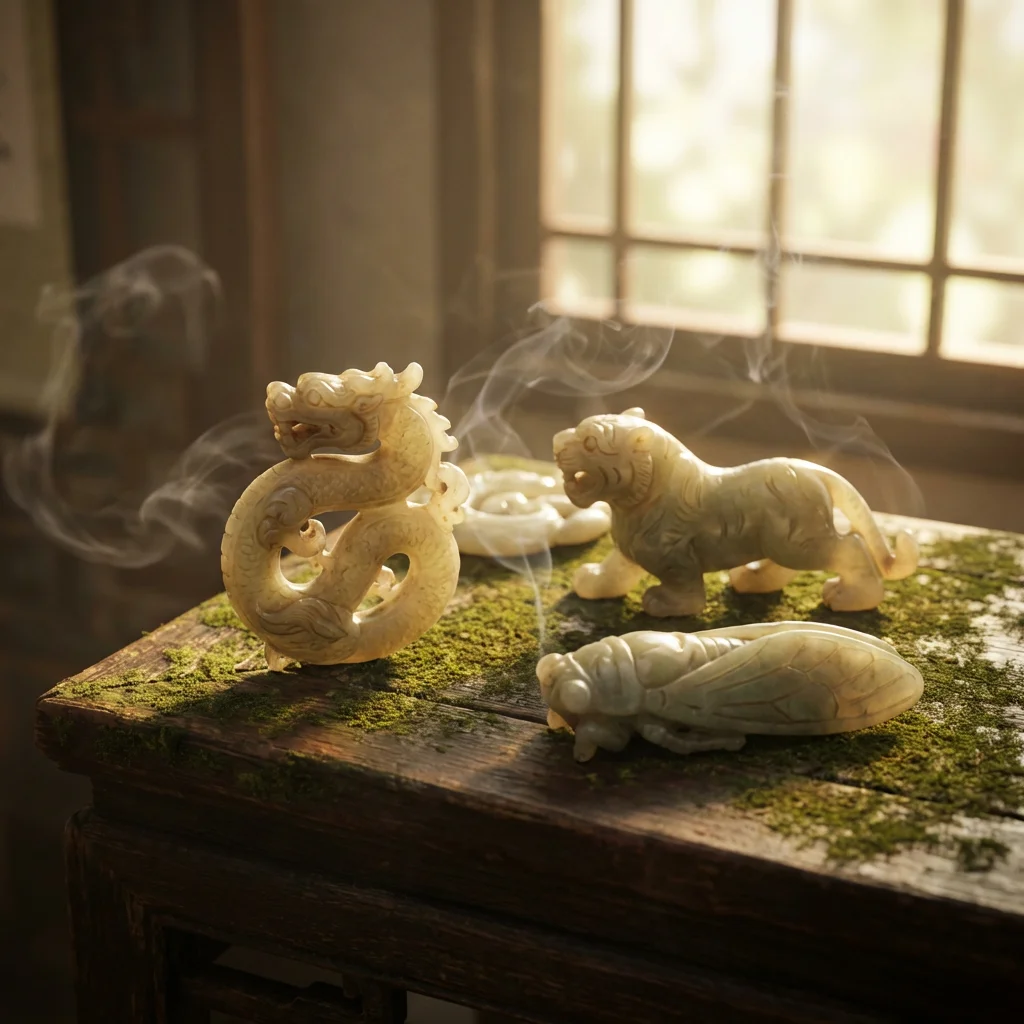
Types of Chinese Jade
Traditional Chinese jade is primarily Nephrite, with the most famous variety being "Hetian Jade" from Xinjiang. It is known for its waxy luster and toughness. In more recent centuries, Jadeite from Myanmar has also become highly sought after for its vibrant green colors.
The Art of Polishing and Carving
Jade is so hard that it cannot be "cut" in the traditional sense; it must be worn away using abrasive sands and water. This process, known as "polishing," requires immense patience. Modern carvers use diamond-tipped tools but still follow traditional principles to respect the natural shape and color of the stone.
Jade and Confucian Virtue
Confucius famously compared jade to the qualities of a gentleman, citing its warmth, purity, and durability. Wearing jade is believed to protect the wearer from harm and to cultivate inner peace and wisdom.
Frequently Asked Questions
How can I identify real jade?
Real jade is cold to the touch and has a distinct, resonant sound when struck. It is also extremely hard and cannot be scratched by a steel blade. However, professional appraisal is always recommended.
Why does jade turn more "oily" when worn?
Nephrite jade can absorb tiny amounts of oils from human skin over time, which enhances its natural "waxy" luster. This process is often called "nourishing the jade."
What is the most expensive type of jade?
Imperial green Jadeite and high-quality "Mutton Fat" Hetian Nephrite are among the most expensive gemstones in the world, often surpassing diamonds in value per carat. | 



 Posted an update: 2026-4-3 11:56:41 26