


 Posted an update: 2026-4-2 11:12:10 64
Chinese Paper Cutting, or "Jianzhi," is one of the most popular and widespread folk arts in China. Using nothing but a sheet of paper and a pair of scissors or a knife, artisans create a world of "hollowed beauty" that has decorated Chinese homes and celebrated life"s milestones for over 1,500 years.
Table of Contents
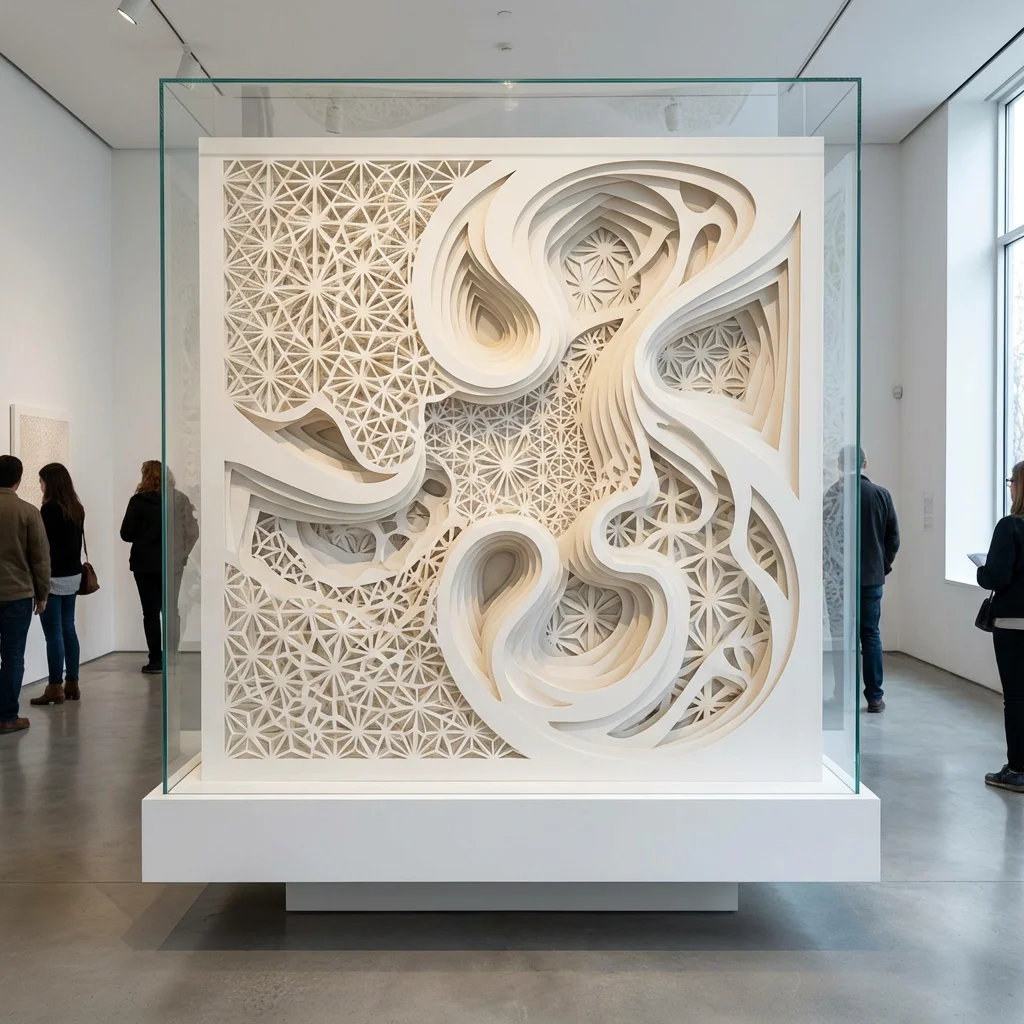
1. Ancient Origins: From Silk to Paper
Paper cutting originated shortly after the invention of paper in the Eastern Han Dynasty. However, the tradition of cutting patterns into thin materials like silk, gold foil, and leather predates paper itself. By the Tang and Song dynasties, paper cutting had become a sophisticated art form, used by commoners to decorate their windows and by the elite to adorn their temples and palaces.
2. The Philosophy of "Hollowed Art"
Jianzhi is an art of subtraction. The artisan must visualize the final design in reverse, understanding that what they cut away is just as important as what they leave behind. This concept of "Kong" (emptiness) is central to Chinese aesthetics, allowing the artwork to interact with its background, whether it be a white wall, a wooden window, or the blue sky.
3. A Window into the Chinese Soul
Paper cutting is a deeply democratic art. While other crafts required expensive materials or imperial patronage, Jianzhi could be practiced by anyone with a pair of household scissors and a scrap of paper. It became a way for ordinary people to express their hopes, dreams, and observations of the natural world, making it a true "people"s art."
4. Frequently Asked Questions
Q: Is red the only color used in paper cutting?
A: While red is the most traditional color (symbolizing joy and luck), other colors like green, yellow, and even multi-colored "stained" paper cuts are found in different regional traditions.
Q: Why is paper cutting called "Window Flowers" (Chuang Hua)?
A: Historically, paper cuts were pasted onto the paper-covered windows of traditional Chinese homes to bring color and auspicious symbols into the living space during the winter months.