


 Posted an update: 2026-4-2 11:07:38 25
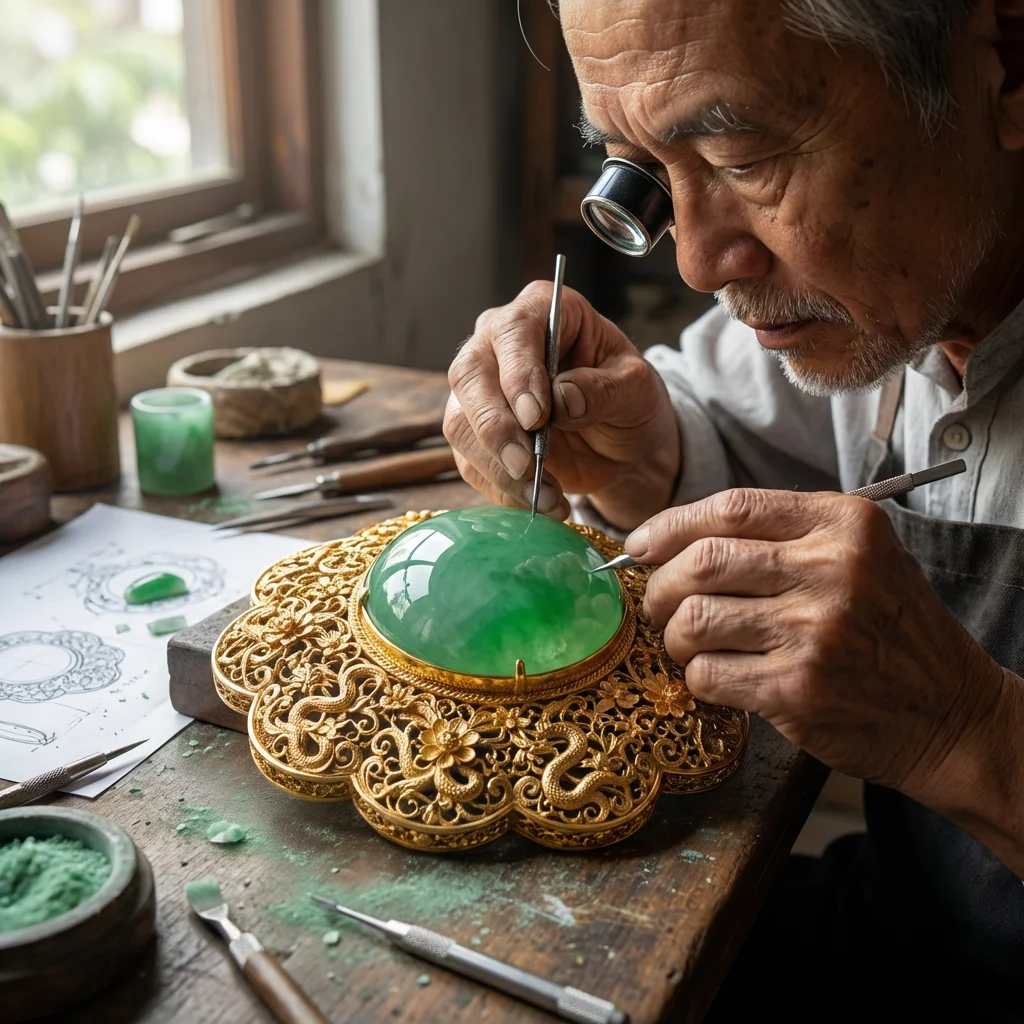
For most of its history, filigree inlay was an art of the Forbidden City. The royal workshops (Zaobanchu) were the only place where these incredible gold-and-gemstone masterpieces were produced, reflecting the absolute power and divine authority of the Emperor.
Table of Contents
1. The Golden Crowns of Emperors and Empresses
Imperial crowns were the ultimate expression of filigree mastery. These crowns, often featuring multiple dragons and phoenixes, were constructed from a delicate framework of gold filigree so fine it appeared like golden lace. The legendary "Phoenix Crown" of Empress Xiaoduan features thousands of hand-woven gold wires and hundreds of inlaid pearls and gems.
2. Filigree in Imperial Ceremony
Beyond personal adornment, filigree inlay was used for the most important ceremonial objects. This included ritual vessels for the Temple of Heaven, scepters (Ruyi) for high officials, and opulent containers for the Emperor"s seals. The shimmering gold filigree represented the eternal nature of the throne and the divine harmony of the empire.
3. The Wanli Emperor’s Golden Crown
One of the most famous examples of filigree is the golden crown found in the tomb of the Wanli Emperor. Made entirely of 518 gossamer-thin gold wires, the crown features two dragons playing with a flaming pearl. Despite its intricate appearance, the crown is incredibly strong and weighs very little, showcasing the technical genius of the Ming imperial jewelers.
4. Frequently Asked Questions
Q: Where were the imperial workshops located?
A: The "Zaobanchu" were located within the walls of the Forbidden City, allowing the Emperor to personally oversee the production of his regalia.
Q: How many people worked on a single imperial crown?
A: A single crown could involve a team of dozen masters—wire drawers, weavers, gemstone cutters, and inlayers—working for over a year to complete the piece.