


 Posted an update:
 Filigree Inlay, known in Chinese as "Cuihua" or "Baoxian" (the art of flower-weaving with gold and silver), is one of the most sophisticated and luxurious forms of jewelry and metalwork in China. This ancient art involves weaving microscopic gold and silver wires into intricate designs and then inlaying them with precious gemstones, pearls, and kingfisher feathers.
Table of Contents
1. The Golden Legacy of Cuihua
While filigree techniques appeared in China as early as the Warring States period, the art of filigree inlay reached its artistic and technical zenith during the Ming and Qing dynasties. It was the premier art of the imperial court, used to create the most opulent crowns, hairpins, and ritual objects. The famous "Phoenix Crown" of the Ming Empress Xiaoduan is perhaps the most celebrated example of this incredible craft.
2. Materials of Majesty: Gold, Silver, and Jade
Filigree inlay uses only the most precious materials. High-purity gold and silver provide the flexible wire structure, while jade, emeralds, rubies, and freshwater pearls add color and substance. Historically, kingfisher feathers were also used ("Dian Cui") to create a vibrant, shimmering blue inlay, though this practice is rare today due to conservation efforts.
3. The Precision of Filigree
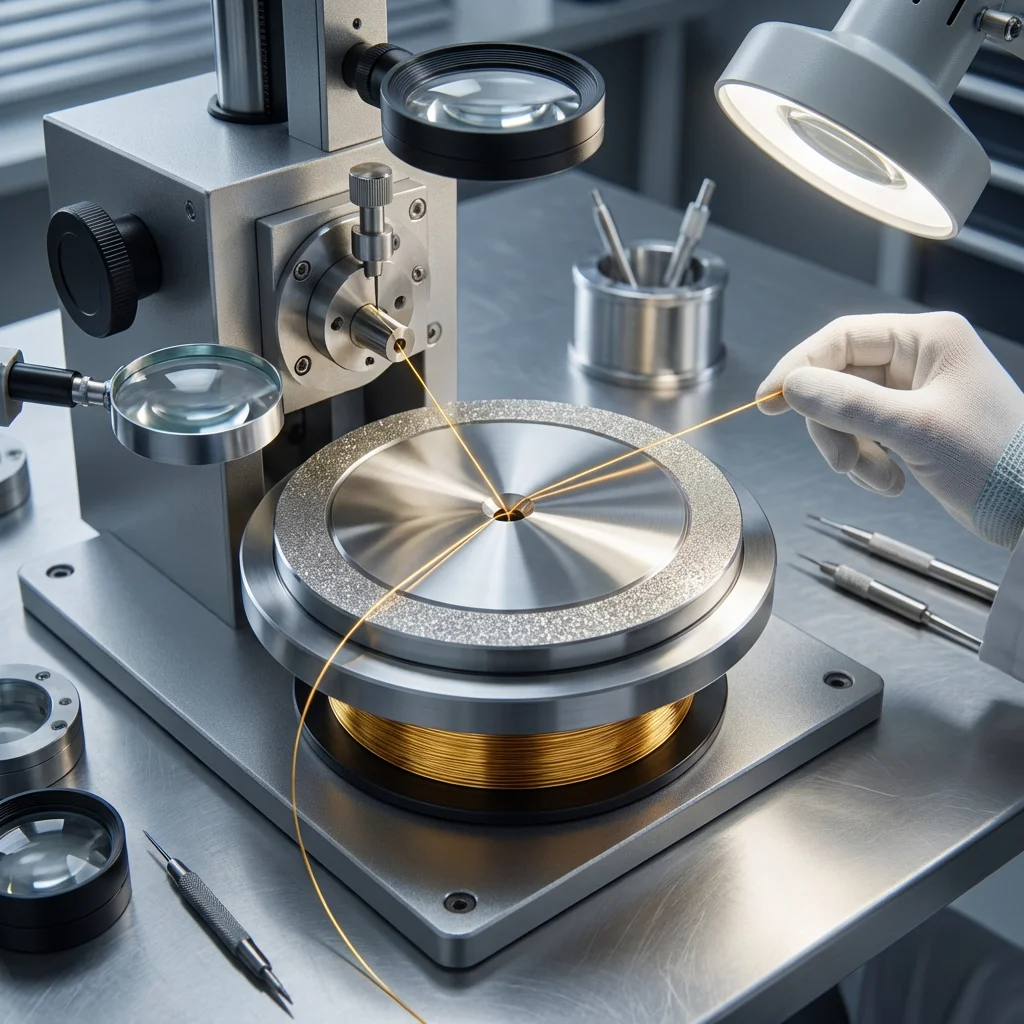
The essence of filigree lies in the wire. Gold or silver is drawn through specialized plates until it is thinner than a human hair. These microscopic wires are then twisted, braided, and woven into three-dimensional structures. The mastery required to handle these fragile strands without snapping them is the defining skill of a filigree master.
4. Frequently Asked Questions
Q: Is filigree inlay a type of jewelry?
A: Yes, it is a high-end form of jewelry making, but it is also used for larger objects like vessels, boxes, and imperial ceremonial items.
Q: Why is filigree inlay called "the royal craft"?
A: For centuries, the cost of materials and the immense amount of time required meant that only the imperial family and the highest-ranking nobles could afford these masterpieces.