


 Posted an update: 2026-4-2 11:05:51 28
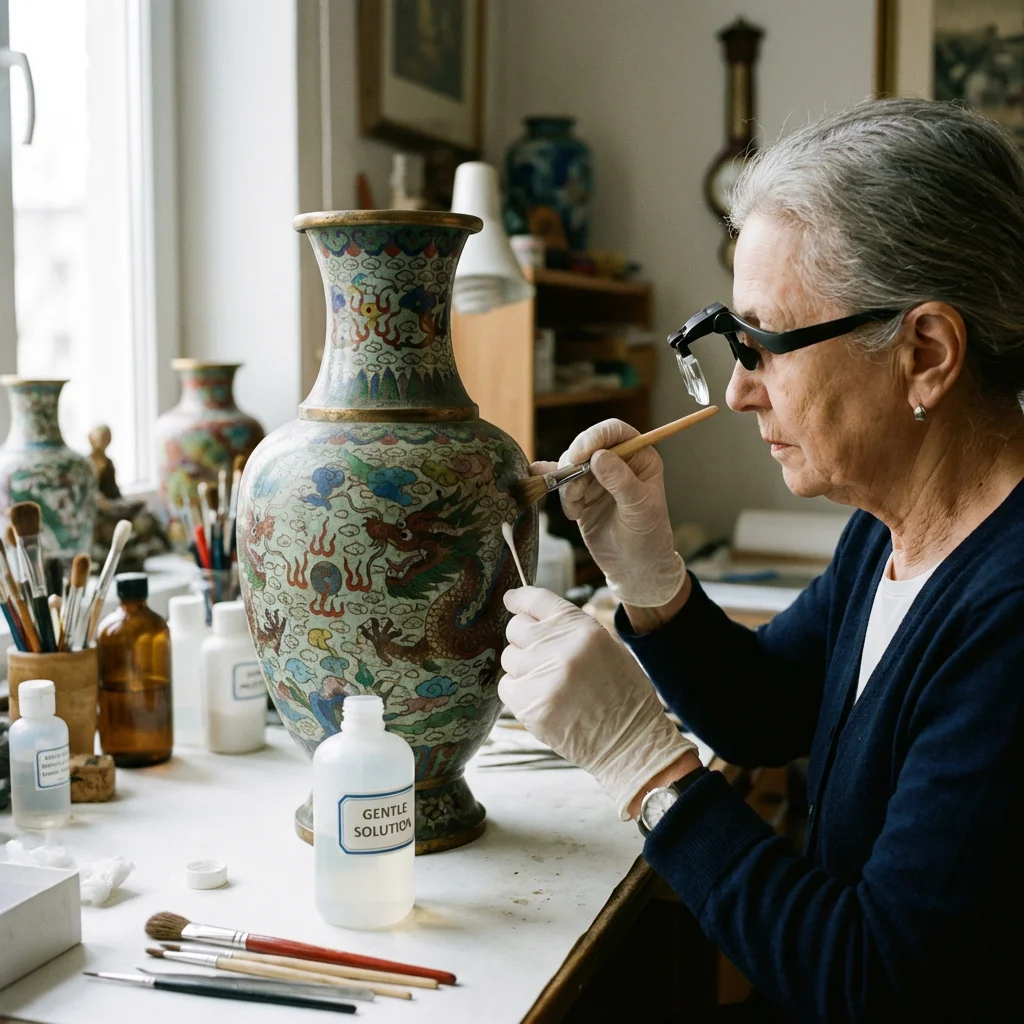
Cloisonne is more than just a decorative object; it is a complex visual language. Every color and motif used in a piece carries a specific meaning, rooted in thousands of years of Chinese philosophy, religion, and folklore.
Table of Contents
1. The Lotus and Spiritual Purity
The "Chanzhi Lian" (Entwining Lotus) is one of the most common motifs in cloisonne. In Buddhist tradition, the lotus grows in mud but remains unstained, symbolizing the potential for spiritual purity in a corrupt world. The continuous, flowing vines that connect the lotus flowers represent the concept of "unending life" and family continuity.
2. Dragons, Phoenixes, and Imperial Power
Imperial cloisonne is dominated by the "Long" (Dragon) and "Feng" (Phoenix). The five-clawed dragon represents the Emperor"s authority over the earth and the heavens, while the phoenix represents the Empress and feminine grace. When shown together, they symbolize a perfect, harmonious marriage and a prosperous empire.
3. The Five Colors and Cosmic Harmony
The traditional palette of cloisonne—Blue, Red, Yellow, White, and Black—aligns with the "Wu Xing" (Five Elements). Blue represents Wood, Red is Fire, Yellow is Earth, White is Metal, and Black is Water. By incorporating all these colors, a cloisonne piece becomes a microcosm of cosmic harmony and balance.
4. Frequently Asked Questions
Q: What does the "Jingtailan" blue symbolize?
A: The vibrant sapphire blue represents the sky and the eternal nature of the heavens, making it the most appropriate background for imperial objects.
Q: Are there specific motifs for long life?
A: Yes. The crane, the pine tree, and the "Shou" (longevity) character are frequently found in cloisonne intended as gifts for elders or for celebrating milestone birthdays.