


 Posted an update: 2026-4-2 11:04:58 29
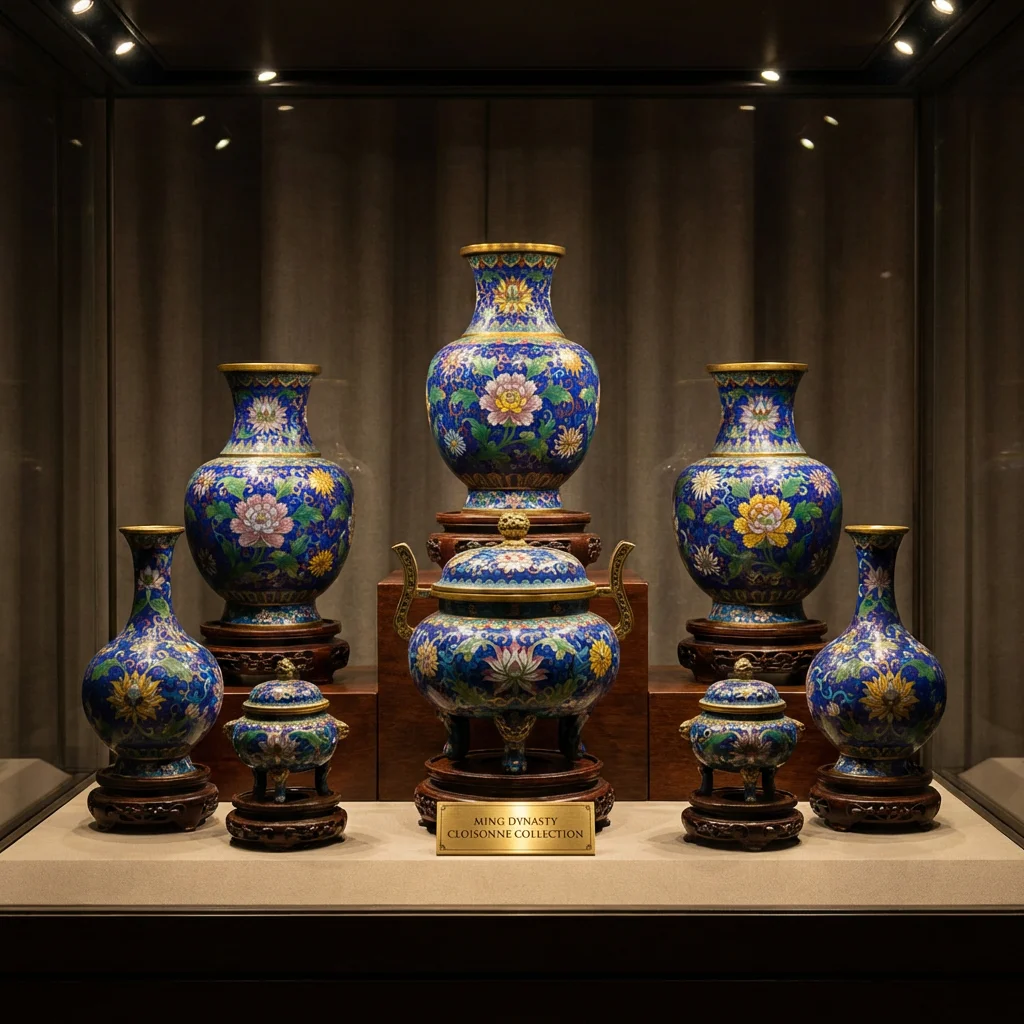
Cloisonne, known in Chinese as "Jingtailan" (The Blue of Jingtai), is one of the most prestigious and complex art forms in Chinese history. Combining metalwork, painting, and the alchemy of fire, it represents a peak of craftsmanship that was once reserved solely for the imperial palace.
Table of Contents
1. The Golden Age of Jingtailan
While the technique of cloisonne originated in the Middle East and was introduced to China during the Yuan Dynasty, it was during the Ming Dynasty that it became a truly Chinese art form. The Jingtai Emperor (1450–1457) was such an enthusiastic patron of the craft that it flourished to unprecedented heights, leading to its enduring name—Jingtailan.
2. Why is it called Jingtailan?
The name "Jingtailan" literally means "The Blue of Jingtai." During the Jingtai Emperor"s reign, artisans perfected a deep, vibrant sapphire blue enamel that became the signature background for almost all cloisonne pieces. This iconic blue remains the standard against which all subsequent cloisonne is judged.
3. The Marriage of Metal and Enamel
Cloisonne is a labor-intensive process that involves soldering thin copper wires onto a metal base to create intricate compartments (cloisons). These are then filled with colored glass enamel pastes and fired multiple times at high temperatures. The result is a vibrant, multi-tonal object that is both structurally sound and aesthetically breathtaking.
4. Frequently Asked Questions
Q: Is cloisonne a type of porcelain?
A: No. While both use enamel glazes and firing, cloisonne is built on a metal (usually copper) base, whereas porcelain is built on a clay base.
Q: Why was cloisonne so expensive?
A: The materials alone—copper, semi-precious minerals for the enamels, and gold for the final gilding—were extremely costly. Combined with months of highly skilled labor, cloisonne was the most expensive art form in the imperial court.