


 Posted an update: 2026-4-2 11:02:41 31
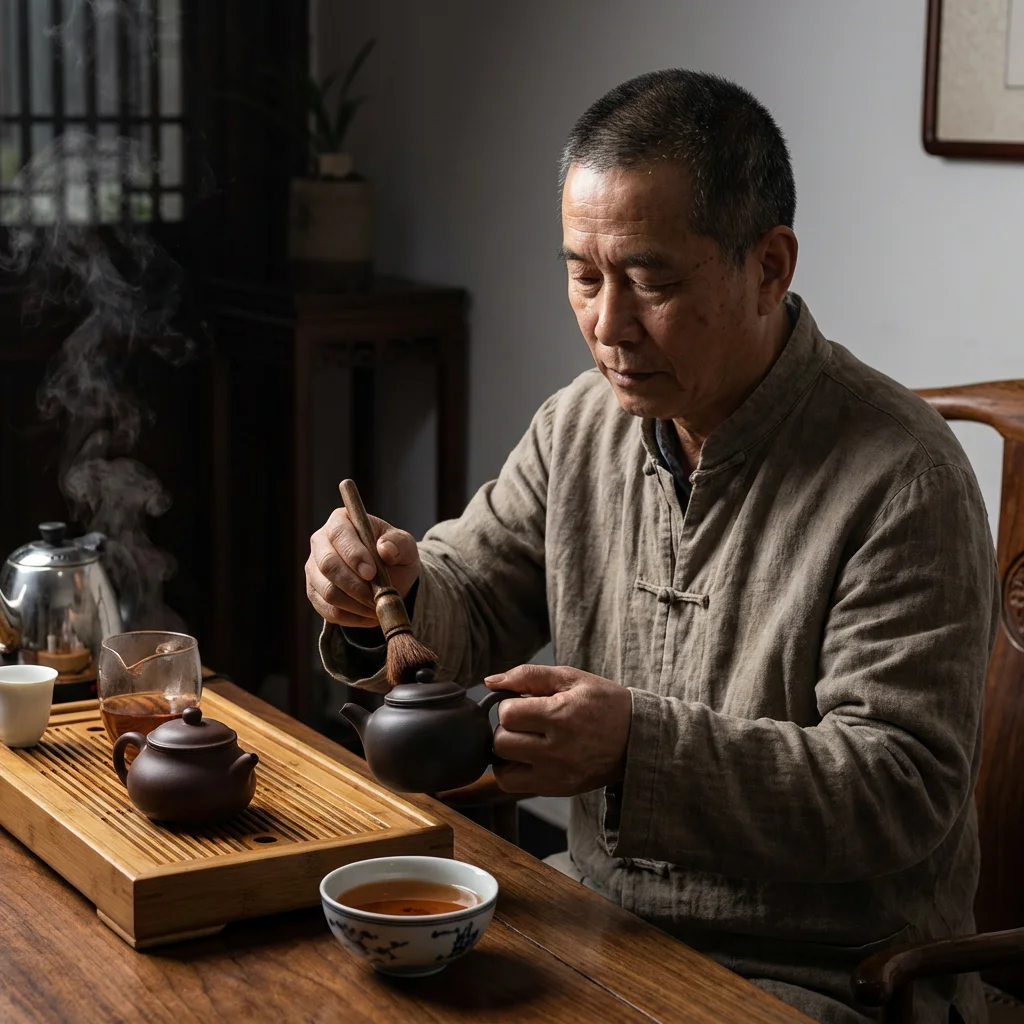
A unique feature of the Yixing teapot is its close relationship with Chinese literature. For centuries, scholars have used the sides of the teapot as a canvas for calligraphy, poetry, and landscape painting, creating a "literati teapot" that is as much a book as it is a vessel.
Table of Contents
1. The Art of Zisha Engraving
Engraving on Zisha is a specialized skill. The engraver must use a sharp iron knife to carve directly into the semi-dry clay. Unlike painting on porcelain, there is no room for error. The brushwork of the original calligraphy must be perfectly translated into the "knife-work" on the pot, maintaining the fluidity and spirit of the ink.
2. Poetry and Zen in a Teacup
The inscriptions on a teapot often reflect Zen philosophy or the scholar"s personal reflections on life and tea. A common inscription might be "Wei Wu Wei" (Action through Inaction) or a simple poem about the moon and a solitary plum blossom. These words invite the tea drinker into a state of contemplation and mindfulness.
3. The Master and the Scholar
The most famous inscribed teapots are often the result of a collaboration between a master potter and a famous calligrapher. This tradition reached its peak with the "Mansheng" teapots in the Qing Dynasty, where the scholar Chen Mansheng designed 18 specific teapot shapes and invited top potters to make them, later adding his own inscriptions.
4. Frequently Asked Questions
Q: Does engraving affect the teapot"s strength?
A: No. The engraving is shallow and is done while the clay is still "leather-hard," so it does not compromise the structural integrity of the vessel.
Q: Are all inscriptions done by hand?
A: High-end artisanal teapots are always hand-engraved. Mass-produced pots might use machine-engraving or stamps, which lack the soul and vitality of hand-carved work.