


 Posted an update: 2026-4-2 11:01:48 32
The beauty of a Zisha teapot lies in its form. Over the centuries, three distinct styles of teapot shapes have evolved, each reflecting a different aspect of Chinese aesthetics—from the mathematical precision of geometry to the wild beauty of nature.
Table of Contents
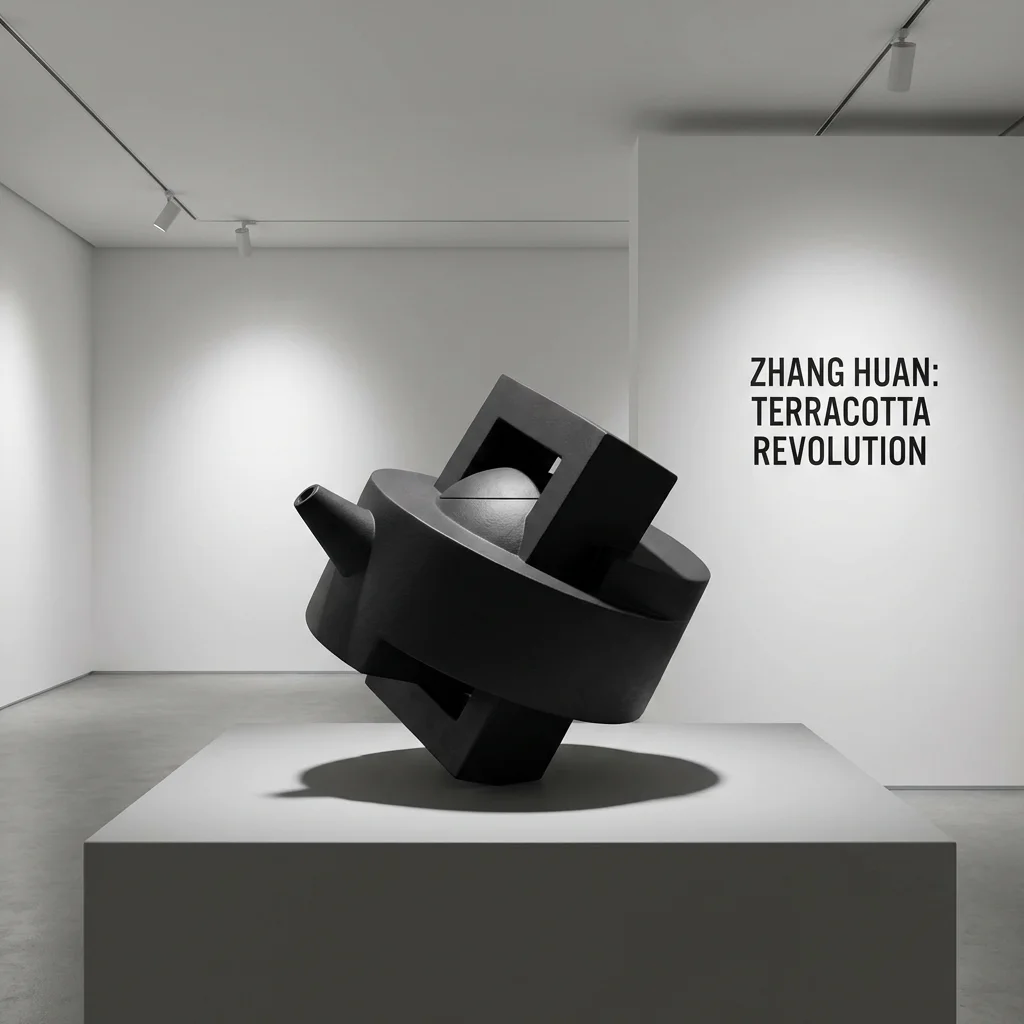
1. Geometric Shapes: Symmetry and Order
Geometric pots, or "Jing Hua," are based on perfect mathematical forms—spheres, cylinders, cubes, and polygons. These pots emphasize clean lines and perfect proportions. The "Xi Shi" pot (spherical) and the "Fang" pot (square) are classic examples, requiring immense skill to ensure every angle is crisp and every curve is smooth.
2. Naturalistic Shapes: Mimicking Life
Naturalistic pots, or "Hua Huo," take inspiration from the organic world. These teapots mimic tree burls, lotus seedpods, bamboo sections, or animals like turtles and frogs. The goal is to capture the "spirit" (Shen) of the natural object. Gong Chun"s original burl pot is the progenitor of this highly artistic and expressive style.
3. Ribbed Shapes: Rhythmic Texture
Ribbed pots, or "Jin Wen," are characterized by repeating vertical or radial segments, similar to the segments of a melon or the petals of a flower. This style requires mathematical precision to ensure the ribs on the body, the lid, and the spout all align perfectly when the lid is rotated. It represents a fusion of geometry and natural beauty.
4. Frequently Asked Questions
Q: Does the shape of the teapot affect the tea?
A: Yes. For example, tall, narrow pots are better for teas that need high heat concentration (like Puer), while flat, wide pots are better for teas that need space to expand (like big-leaf Oolongs).
Q: Which shape is best for a beginner?
A: The "Xi Shi" or "Pan Hu" (flat-round) shapes are versatile, easy to pour, and easy to clean, making them excellent choices for those new to Zisha teaware.