


 Posted an update: 2026-4-2 11:01:47 29
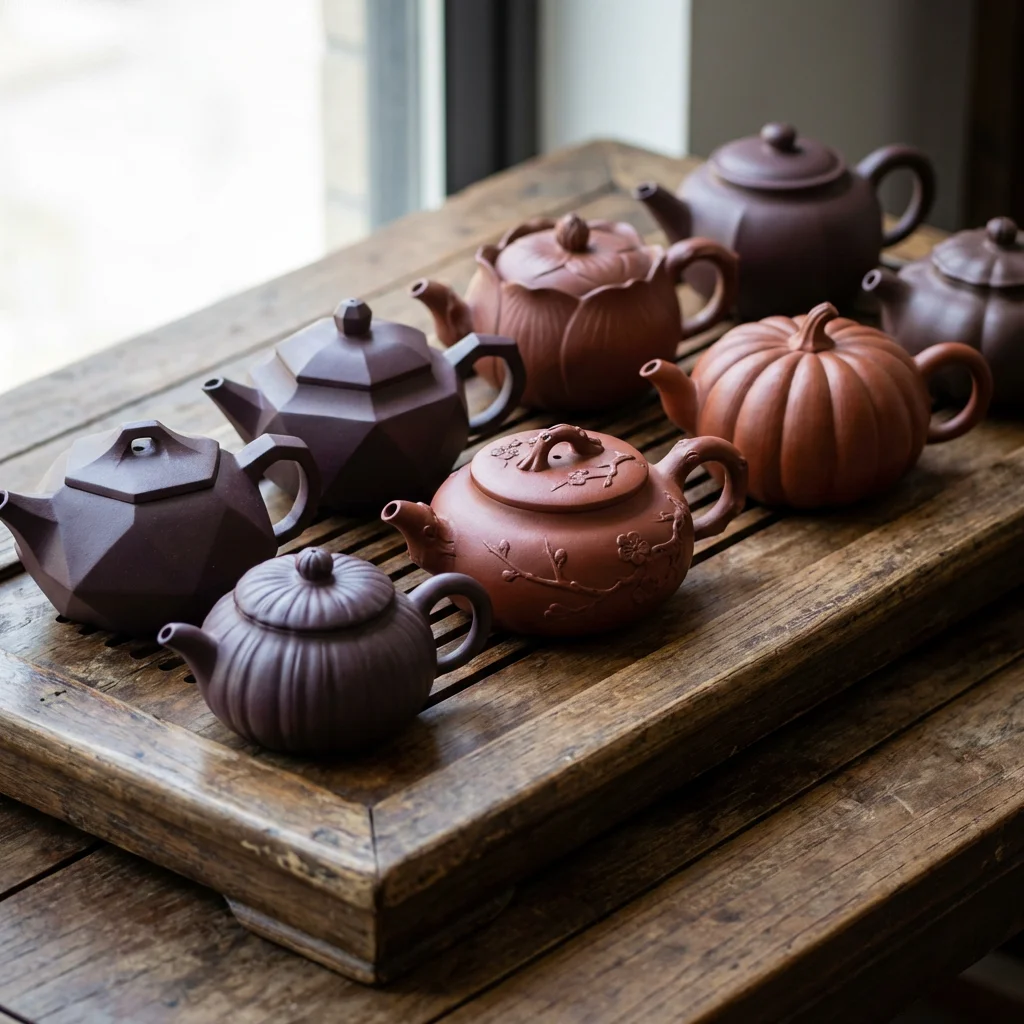
Unlike porcelain, which is thrown on a wheel, a traditional Yixing Zisha teapot is "built" entirely by hand using a unique slab-and-beating method. This process requires a mastery of three-dimensional geometry and a deep sensitivity to the clay"s moisture content.
Table of Contents
1. The Beating Technique
The artisan begins by beating a lump of clay into a flat slab of uniform thickness using a wooden mallet. This isn"t just about flattening; the rhythmic beating aligns the mica and quartz particles within the clay, increasing its structural integrity. This "Dapian" (beating the slab) process is the foundation of the teapot"s strength.
2. From Slabs to Body
The slab is then cut into a precise rectangular shape and wrapped around a wooden mold or formed into a cylinder. The artisan then "beats" the body from the outside while supporting it from the inside, slowly coaxing the cylinder into a sphere, a rectangle, or a complex ribbed shape. No wheel is used; the symmetry is achieved solely through the potter"s eye and hand coordination.
3. Spouts, Handles, and Lids
The spout and handle are hand-molded and attached using "slip" (liquid clay). The "San Dian Yi Xian" rule (Three points, one line) is strictly followed—the mouth of the spout, the top of the lid, and the highest point of the handle must be perfectly aligned. The lid must fit so precisely that when the air hole is covered, not a single drop of tea can leak from the spout.
4. Frequently Asked Questions
Q: Why is hand-beating better than slip-casting?
A: Slip-casting (using molds) destroys the double-pore structure of Zisha clay, making the teapot non-breathable and destroying its tea-enhancing properties.
Q: How long does it take to make one teapot?
A: A basic handmade teapot can take 2-3 days, while complex, artisanal masterpieces can take weeks or even months of meticulous work.