


 Posted an update: 2026-4-2 11:01:46 27
The magic of the Yixing teapot lies in the "Purple Sand" (Zisha) clay itself. This unique mineral resource, found only in the Huanglong Mountain area, possesses physical and chemical properties that make it the world"s premier material for brewing tea.
Table of Contents
1. The Three Primary Types: Zi, Zhu, and Duan
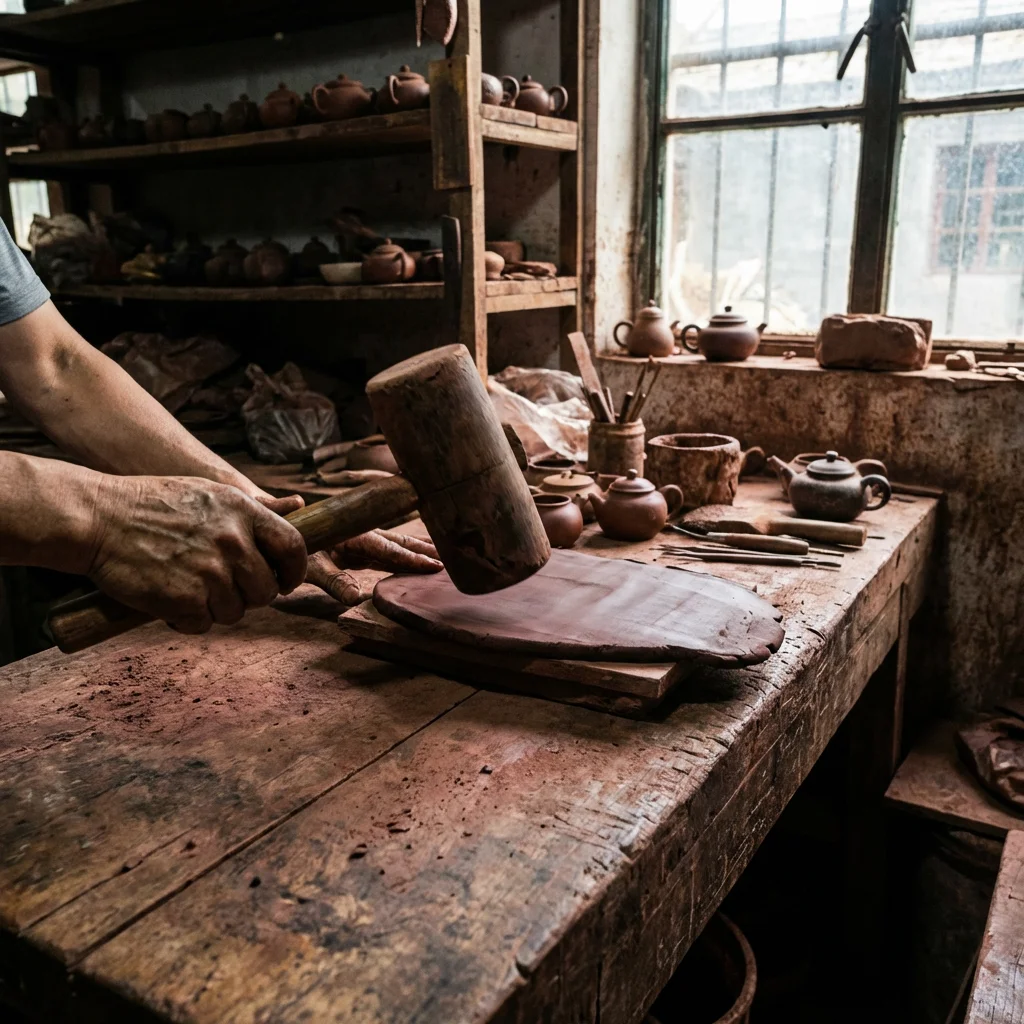
Authentic Zisha is classified into three main categories: Zini (Purple Clay), Zhuni (Cinnabar/Red Clay), and Duanni (Fortified/Yellow Clay). Zini is the most common and versatile, known for its deep purple-brown hue. Zhuni is rare, with a high iron content and high shrinkage rate, resulting in a vibrant red. Duanni is a naturally occurring blend of Zini and other minerals, producing a range of buff to greenish-yellow tones.
2. Mineral Composition and Porosity
Zisha clay is rich in iron, mica, and quartz. Its unique "double-pore" structure consists of both open and closed pores. The open pores allow the teapot to absorb tea oils, while the closed pores provide excellent heat insulation, keeping the tea hot for longer while preventing the handle from becoming too hot to touch.
3. The Natural Colors of Zisha
One of the most remarkable features of Zisha is that its colors are entirely natural. No artificial pigments are added; the color is determined by the specific mineral content of the clay and the firing temperature. As a teapot is used and "nurtured" with tea, the clay"s natural color deepens and develops a beautiful, subtle luster.
4. Frequently Asked Questions
Q: Is genuine Zisha clay running out?
A: While high-grade, easily accessible ore is limited, there are still significant reserves. However, the scarcity of top-quality Zhuni has led to a significant increase in its value.
Q: Does the color of the clay affect the tea?
A: Indirectly, yes. For example, Zhuni is denser and has higher heat conductivity, making it better for lighter, more fragrant oolongs, while porous Zini is better for heavy, aged Puer tea.