


 Posted an update: 2026-4-2 10:58:45 22
Celadon (Qingci) is celebrated for its ethereal, jade-like quality. For over a millennium, Chinese potters sought to replicate the texture and color of natural jade in ceramic form, resulting in some of the most serene and tactile objects in human history.
Table of Contents
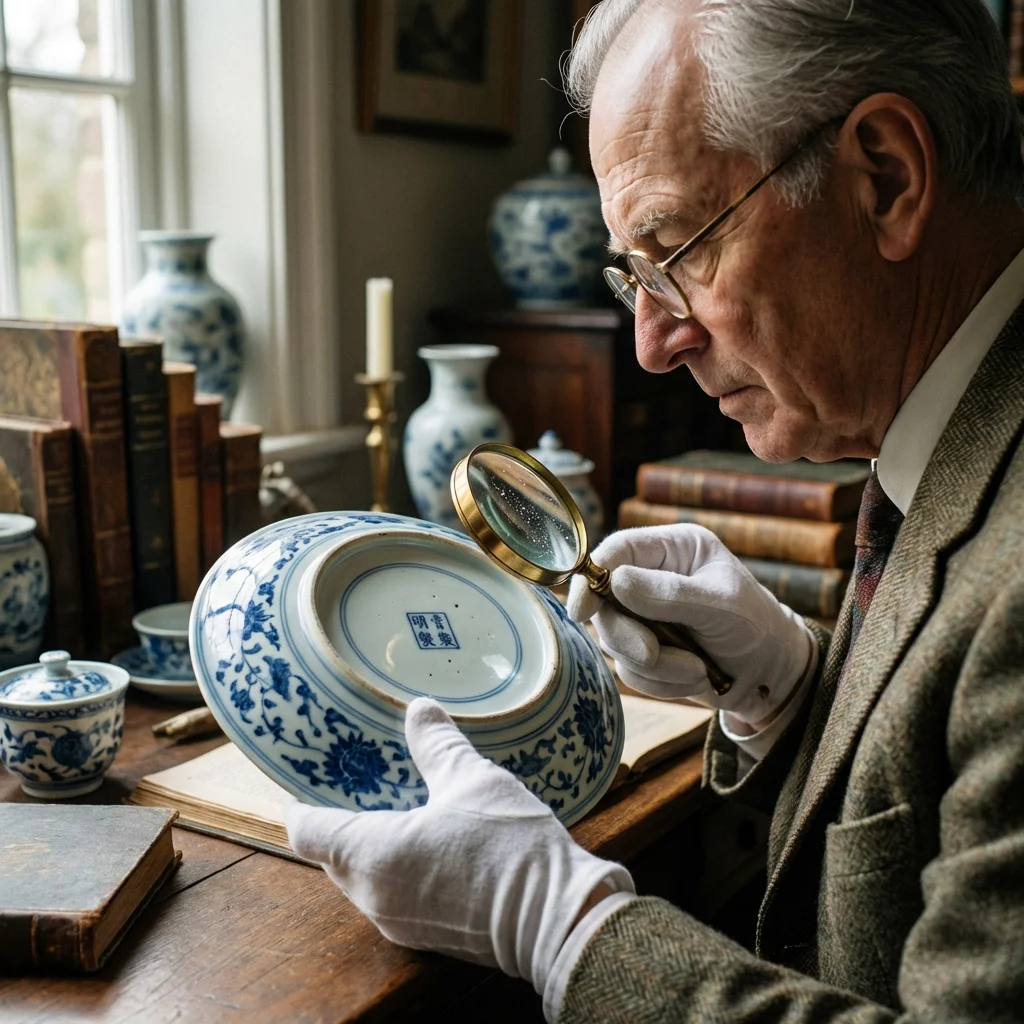
1. Longquan: The Heart of Celadon
While celadon was produced in many regions, the Longquan kilns in Zhejiang province became the most famous. During the Southern Song Dynasty, Longquan masters developed a thick, multi-layered glaze that was opaque and luminously green—ranging from "plum green" to "powder green." This "jade-like" finish made Longquan celadon a prized export item across Asia and Europe.
2. The Science of the Green Glaze
The distinctive green color of celadon is achieved by firing a glaze containing a small amount of iron oxide in a "reduction" atmosphere (deprived of oxygen). If oxygen is present, the iron turns yellow or brown. Mastering the kiln"s internal atmosphere was the secret to achieving the perfect, cool green of the finest celadon.
3. Celadon and Tea Culture
Celadon has long been favored by tea connoisseurs. The soft green of the bowl is said to enhance the natural color of green tea, creating a harmonious and meditative experience. In Japan, Longquan celadon was so highly valued for the tea ceremony that broken pieces were famously repaired with gold (kintsugi), further enhancing their beauty.
4. Frequently Asked Questions
Q: Is celadon a type of stone?
A: No, celadon is a glazed ceramic. The name likely comes from "Saladin," the Sultan who sent celadon gifts to the West, or from a character named Celadon in a French play who wore green ribbons.
Q: Why does some celadon have cracks?
A: Intentional crackle (Kailun) was a stylistic choice in certain kilns (like Guan and Ge), while in others, a smooth, unblemished surface was the goal.