


 Posted an update: 2026-4-2 10:55:50 33
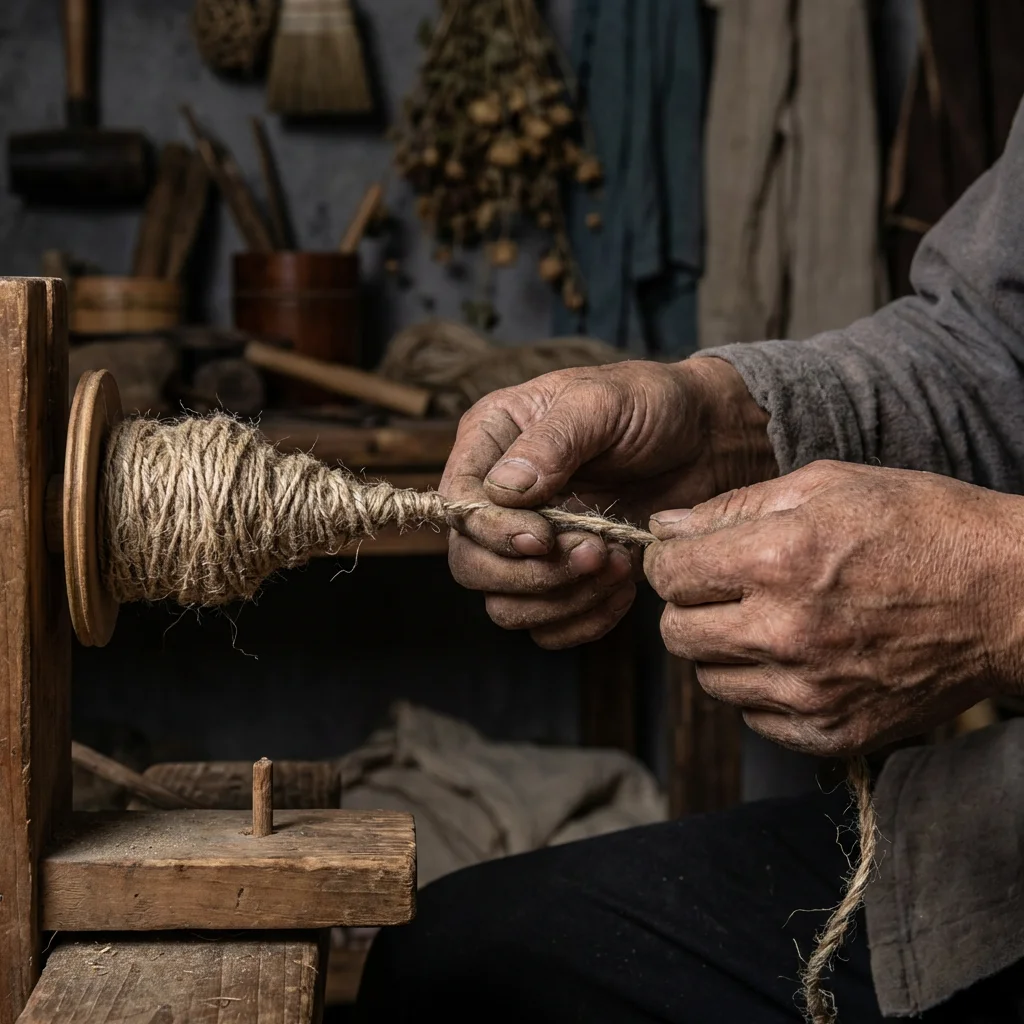
Hemp weaving is one of the oldest textile traditions in China, dating back over 6,000 years. Known as "Ma" (麻) in Chinese, hemp provided the primary clothing material for the masses long before cotton was introduced. This durable, eco-friendly fiber represents the rustic elegance of ancient Chinese rural life.
Table of Contents
1. A 6,000-Year Legacy
Archaeological finds in Neolithic sites like Hemudu and Banpo reveal that hemp was used for ropes, nets, and coarse fabrics. In the Zhou Dynasty, hemp cultivation was a vital part of the agricultural economy, with specific officials overseeing its production. Unlike the luxury of silk reserved for the elite, hemp was the "fiber of the people."
2. Cultural Significance
In Confucian rituals, unbleached hemp clothing was worn during mourning periods to symbolize humility and sorrow. Beyond ritual, the strength of the fiber made it synonymous with endurance and longevity in Chinese folklore. Poets often praised the "simple hemp robe" as a sign of a scholar"s integrity and detachment from material wealth.
3. Modern Relevance
Today, as the world turns toward sustainable fashion, Chinese hemp weaving is experiencing a renaissance. Modern designers are blending traditional hand-weaving techniques with contemporary styles, creating fabrics that are breathable, UV-resistant, and completely biodegradable.
4. Frequently Asked Questions
Q: What is the main difference between hemp and linen in Chinese tradition?
A: While both are bast fibers, hemp (Dama) is generally more durable and was historically more common in Northern China, whereas ramie (Zhum麻) was more prevalent in the humid South.
Q: Is traditional hemp fabric rough?
A: While coarse hemp exists, ancient "Fine Ma" was processed through multiple soakings and combings to achieve a softness comparable to linen.