


 Posted an update: 2026-4-1 14:25:16 85
A shadow from the heat and a crown for the worker. The straw hat (Cao-mao) is the most iconic symbol of the Chinese countryside, where the grass is woven to protect the head and the heart.
The Straw Hat: Iconic Sun Protection, Rural Fashion, and the Masterpiece of the Braided Brim
From the emperor"s garden to the farmer"s field, the straw hat is the universal accessory of summer. Lightweight, breathable, and naturally water-resistant, it is the perfect shield against the intense heat of the Chinese sun. But beyond its utility, the straw hat is a masterpiece of complex braiding. A high-quality hat can contain thousands of individual straw braids, woven so tightly that they can hold water, yet so light that you forget you are wearing it. It is the art of the open air.
1. The Architecture of the Brim: Stability and Airflow
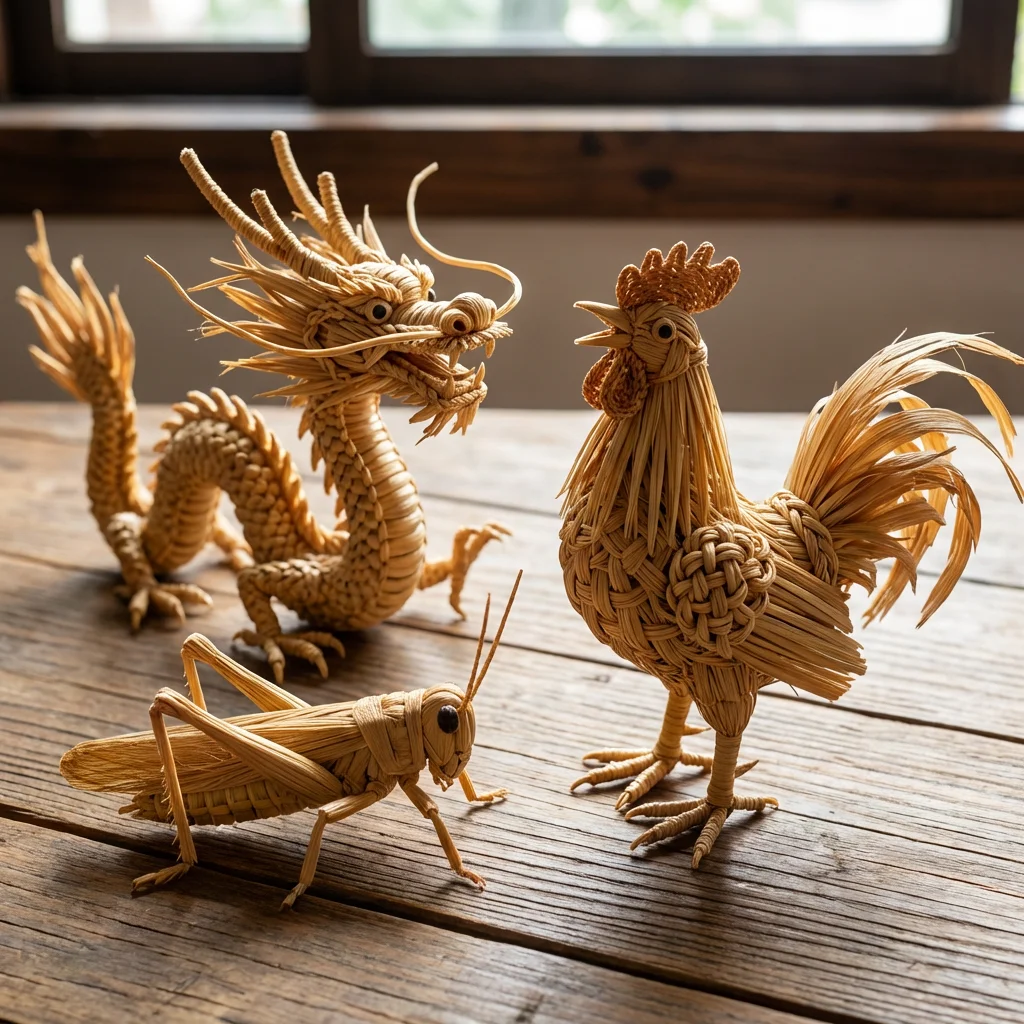
A well-made straw hat is a masterpiece of engineering. The brim must be wide enough to provide shade but strong enough not to flopp in the breeze. Artisans achieve this by varying the density of the weave—tighter at the edges for stability and looser at the crown for maximum airflow. This creates a natural cooling effect, where the heat from the head is carried away by the air moving through the straw fibers. It is ancient technology that modern materials still struggle to match.
2. Braiding the Golden Thread: The Secret of the Plait
The creation of a straw hat begins with the **Plait** (Bian). Before the hat is shaped, the straw is braided into long, flat ribbons. A master can braid seven, nine, or even eleven strands of straw simultaneously, creating patterns of incredible complexity. These ribbons are then sewn together in a spiral starting from the center of the crown. This "spiral-sewing" technique ensures that the hat is incredibly durable and can be folded or crushed without losing its shape. It is the secret of the hat"s resilience.
3. Regional Styles: From the Conical to the Broad-Brimmed
The shape of the straw hat varies with the needs of the land. In the southern rice paddies, the **Conical Hat** (Dou-li) is preferred, as its steep sides allow rain to run off quickly and protect the shoulders from both sun and water. In the northern wheat fields, the **Broad-Brimmed Hat** (Ping-ding-mao) is common, providing a large circle of shade for the face and neck. Each shape is a direct response to the local climate, a physical manifestation of the artisan"s understanding of their environment.
4. More Than a Tool: The Hat as a Cultural Icon
The straw hat is woven into the very fabric of Chinese identity. It represents the hardworking spirit of the farmer and the resilience of the rural community. In traditional literature and art, the straw hat is often used as a symbol of the "honest worker" or the "wise hermit" who has chosen a life close to nature. To wear a straw hat today is not just to protect oneself from the sun; it is to honor the ancient tradition of the fields and to embrace a simpler, more sustainable way of living.
5. FAQ: Choosing and Wearing the Perfect Straw Hat
How do I know if a straw hat is handmade?
Look at the spiral seams. A handmade hat will have subtle variations in the width of the braid and the tension of the thread. If you look closely at the center of the crown, you will see the "start" of the spiral, which is very difficult to do perfectly by machine. The hat should also feel significantly lighter than a synthetic or factory-made version.
Can a straw hat get wet?
Yes, traditional straw hats like the Dou-li are naturally somewhat water-resistant. However, if your hat becomes completely soaked, you should reshape it carefully while it is damp and let it dry in a cool, ventilated place. Avoid drying it in direct, intense heat, as this can cause the straw to become brittle.
How do I clean my straw hat?
Use a soft brush or a slightly damp cloth to wipe away dust and dirt. For sweat stains on the inner band, you can use a small amount of mild soap and water, but be careful not to soak the straw itself. Storing the hat upside down on its crown or on a hat stand will help it maintain its shape for years.
6. Conclusion
The straw hat is the crown of the fields. It shows us that the most basic materials can be turned into objects of great beauty and essential function. As we put on a straw hat for a walk in the sun, we are stepping into a shadow that has protected millions of people for thousands of years. The hat is light, the breeze is cool, and the tradition is forever golden.
From the hat to the home: Next, we explore the Storage of the Harvest—The Woven Basket!