


 Posted an update: 2026-4-1 13:54:28 76
Behind every masterpiece of Chinese embroidery is a simple set of tools that has remained unchanged for centuries. To understand the art, one must first respect the needle, the thread, and the frame.
The Tools of the Trade: A Peek Inside the Traditional Chinese Embroidery Workshop
While the results of Chinese embroidery are breathtakingly complex, the tools used to create them are surprisingly humble. The mastery of these tools—the needle (Zhen), the thread (Xian), and the frame (Xiu-jia)—is the first step for any aspiring artisan. In a traditional workshop, these objects are treated with reverence, as they are the extensions of the artisan"s own hands and spirit.
1. The Needle: Thinner than a Hair
Traditional Chinese embroidery needles are much thinner and sharper than those used in Western cross-stitch or modern sewing. For fine Su embroidery, the needles are so small they are difficult to see with the naked eye. These specialized needles allow the artisan to pierce the silk fabric without breaking the delicate fibers, enabling the creation of microscopic color transitions and double-sided work.
2. Silk Thread: The "Blood" of the Embroidery
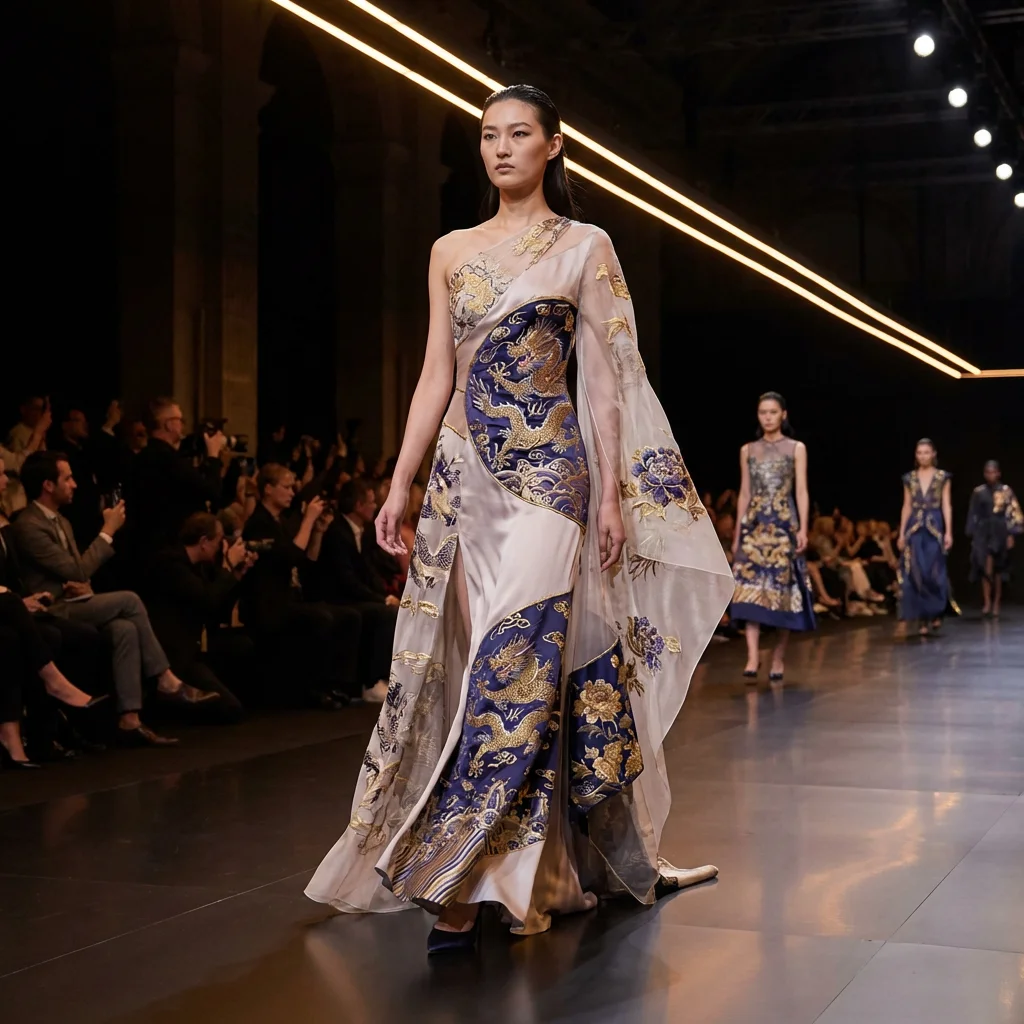
The thread used is strictly natural Mulberry Silk. Its natural lustre and strength are essential for the traditional aesthetic. A unique skill for any artisan is "Thread Splitting"—the ability to split a single silk thread into 2, 4, 8, or even 48 filaments. These hair-thin threads are used for the most delicate parts of a design, such as the iris of an eye or the tip of a petal, allowing for a level of detail that looks like a high-definition photograph.
3. The Stretch Frame: Creating the Perfect Canvas
An embroidery frame (Xiu-jia) is a large wooden rack that keeps the silk fabric perfectly flat and tight. Without a frame, the fabric would warp and pucker under the tension of the stitches. A master will spend hours "stretching the silk" on the frame before a single stitch is made. Once the fabric is as tight as a drum, it becomes the perfect canvas for the needle to "paint" upon.
4. Traditional Dyeing: Creating the Color Palette
In a traditional workshop, the threads are often dyed on-site using natural plant pigments. This ensures that the artisan has access to a limitless range of subtle shades. A single Su embroidery piece might use over 1,000 different colors of thread. This "alchemy" of dyeing is a secret art passed down from master to apprentice, ensuring that the embroidery truly captures the colors of nature.
5. FAQ: Setting Up Your Own Embroidery Corner
What is the most important tool for a beginner?
A good quality frame and a set of sharp, fine needles. Don"t be tempted by cheap synthetic threads; starting with real silk will teach you the correct feel and tension from the very beginning.
Is it hard on the eyes?
Yes, fine embroidery requires intense focus. Traditional workshops are often located near large windows to maximize natural light, and modern artisans use specialized magnifying lamps to protect their vision.
Can I use a regular sewing hoop?
For small projects, a hoop is fine. But for traditional Hanfu embroidery, a large rectangular frame is better because it prevents the fabric from shifting and allows for two-handed work (one hand above the fabric, one hand below).
6. Conclusion
The tools of Chinese embroidery are simple, but they are the keys to a kingdom of beauty. They demand patience, precision, and respect. When an artisan picks up their needle, they are not just working; they are continuing a 3,000-year-old conversation between human hands and the natural world. These humble tools are the true magicians of the silk.
The art lives on: Next, we see how these ancient needles are conquering the modern world in our look at the Modern Revival of Embroidery!