


 Posted an update: 2026-4-1 14:16:41 103
The grass that bends but never breaks. Bamboo is the most versatile and resilient material in the Chinese landscape, a gift from nature that has built our civilization for thousands of years.
Bamboo Weaving: The Grass that Built a Civilization and the Art of Flexible Strength
In China, bamboo is more than just a plant; it is a philosophy. Known as one of the "Four Gentlemen" of art, bamboo represents humility, integrity, and resilience. For over 4,000 years, we have mastered the art of weaving this "hollow grass" into the essential objects of our life—from the massive scaffolding of our cities to the delicate tea whisks of our ceremonies. Bamboo weaving (Zhu-bian) is a masterpiece of material science and artistic imagination, the ultimate eco-material of the ancient world.
1. The Versatile Grass: From Paper to Palace
Bamboo is the fastest-growing plant on earth, reaching its full height in just a few months. This incredible speed makes it the most sustainable resource in the world. In China, bamboo has been used for everything: the first paper was made from bamboo; the first weapons were bamboo; and the first records of our history were written on bamboo slips. Because it is light, strong, and flexible, it has always been the "People"s Material," accessible to everyone but refined enough for the emperor.
2. The Weaving Tradition: Patterns of the Forest
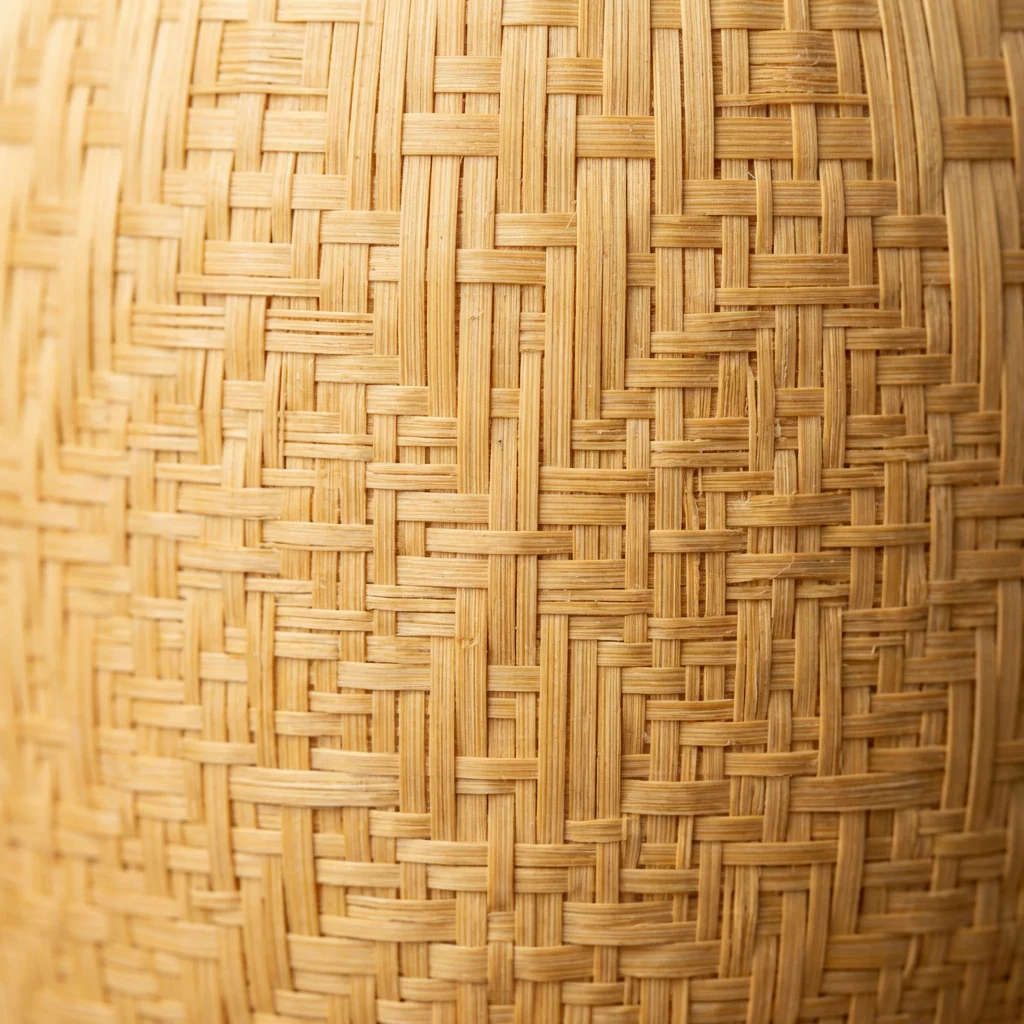
Bamboo weaving is an art of **Connection**. By splitting a single bamboo pole into hundreds of paper-thin threads, the artisan can weave them into complex, multi-layered patterns. There are over 150 traditional weaving patterns in China, including the "hexagonal" weave, the "herringbone" weave, and the "flower" weave. Each pattern provides a different level of strength and transparency, allowing bamboo to be used for heavy transport baskets or for the most delicate artistic screens.
3. Regional Mastery: The Great Schools of the South
Because bamboo grows primarily in the humid south, the great weaving traditions are found in provinces like Zhejiang, Sichuan, and Fujian. **Zhejiang** is known for its ultra-fine, silk-like weaving; **Sichuan** for its incredible porcelain-inlay technique; and **Anhui** for its robust and functional farm tools. These regional variations are a testament to how local people have adapted the same simple grass to meet their unique needs and aesthetic tastes.
4. Tools and Techniques: Splitting the Impossible
The core skill of the bamboo weaver is not the weaving itself, but the **Preparation**. A master must be able to split a single bamboo piece into several layers, with the outer "green" layer being the strongest. To create the finest threads, they use a specialized knife to "strip" the bamboo until it is as thin as a strand of hair. This level of precision is achieved entirely by feel and experience, turning a rough mountain grass into a thread that can be woven into a work of art.
5. FAQ: Appreciating Chinese Bamboo Weaving
How can I tell handmade bamboo from machine-made?
Handmade bamboo weaving will show subtle variations in the width and color of the threads, and the "start" and "end" of the weave will be seamlessly integrated. Machine-made items often use thicker, more uniform strips and may have visible glue or staples. A handmade piece will also feel more "elastic" and alive in your hand.
Is bamboo durable?
Yes! When properly treated (through boiling or smoking to remove the sugar and prevent insects), bamboo can last for decades or even centuries. In the humid south, many bamboo baskets and mats have been used for generations and only become more beautiful as they develop a deep, honey-colored patina.
Can I wash bamboo products?
For everyday baskets and mats, a gentle wipe with a damp cloth is enough. Avoid soaking bamboo in water for long periods, as it can cause the grass to swell and lose its shape. After cleaning, always dry bamboo in a cool, well-ventilated place—never in direct sunlight, which can make the fibers brittle.
6. Conclusion
Bamboo weaving is the art of the humble made magnificent. It shows us that with patience and skill, even the most common grass can be turned into a masterpiece. As we touch the smooth, woven surface of a bamboo basket, we are touching the spirit of the southern forest and the eternal flexibility of our culture. Bamboo is the strength of the people—light, resilient, and forever green.
From the forest to the silk: Next, we explore the Fine Silk of the Forest—Zhejiang Bamboo Weaving!