


 Posted an update: 2026-4-1 14:11:05 104
To live forever is the dream of every king. In the tombs of the Han Dynasty, the emperors were wrapped in jade burial suits, turning their mortal bodies into eternal, shimmering armor of the spirit.
Jade Burial Suits: Immortality for the Han Emperors and the Shimmering Armor of the Afterlife
Discovered in the tombs of the royal family of the Han Dynasty (206 BC – 220 AD), the jade burial suit is one of the most extraordinary archaeological finds in history. Consisting of thousands of small jade tiles connected by gold, silver, or silk thread, these suits were designed to protect the body of the deceased from decay and ensure their eternal life in the heavens. It is the ultimate expression of the Han belief in the magical power of jade.
1. Thousands of Tiles: A Masterpiece of Labor
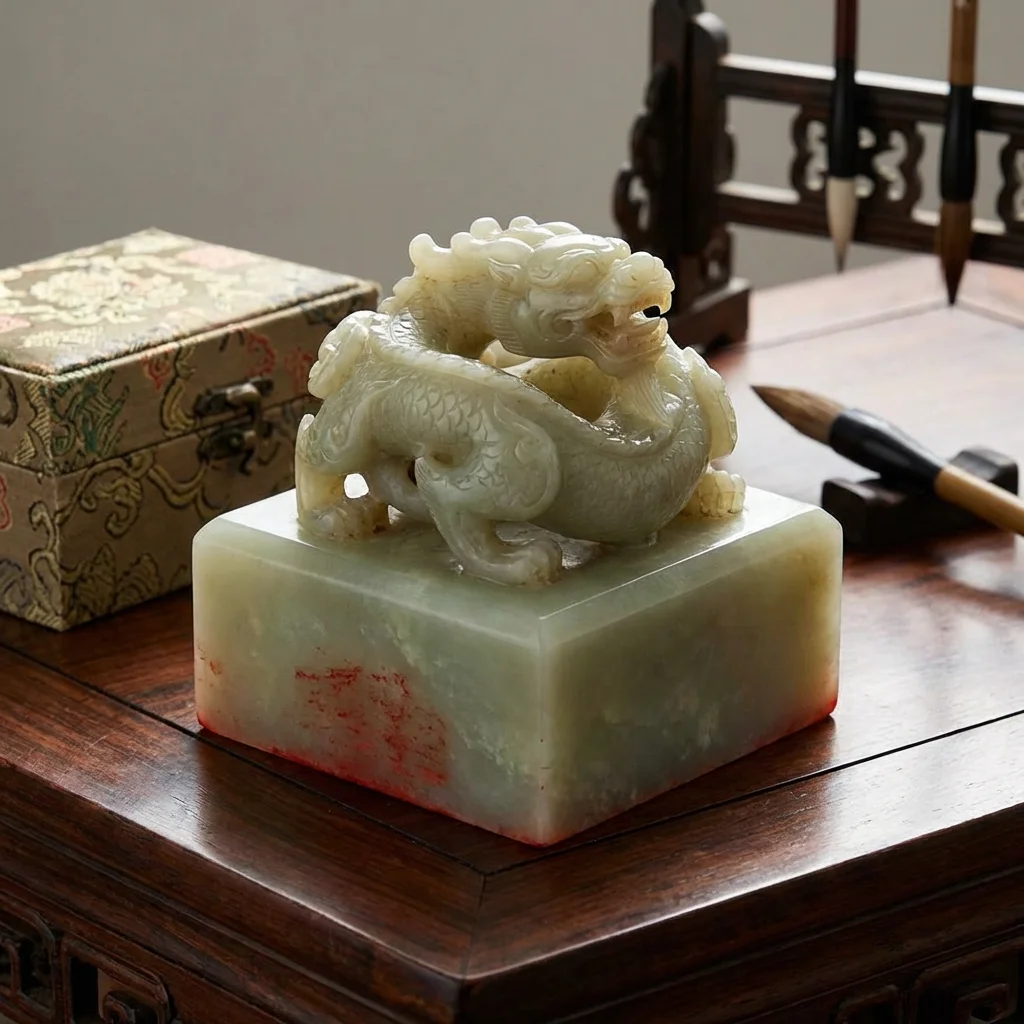
A single jade burial suit can consist of over 2,500 individual jade tiles. Each tile was carefully cut, polished, and drilled at the corners to allow for the connecting threads. It is estimated that a single suit would have required the work of a master jade carver for ten years. This massive investment of labor and precious stone shows the incredible importance that the Han elite placed on the transition to the afterlife.
2. Gold, Silver, and Silk: The Rank of the Dead
The material used to connect the jade tiles was strictly regulated by law, representing the social rank of the deceased. **Gold thread** was reserved exclusively for the Emperor; **Silver thread** for high-ranking princes and princesses; and **Silk or Copper thread** for lesser nobles. This "uniform of the afterlife" ensured that the hierarchy of the earthly court was maintained in the spiritual realm.
3. Protecting the Soul: The Magical Power of Jade
Why jade? Ancient Chinese people believed that jade had the power to prevent the body from rotting and to keep the soul (Hun) from escaping. The suit acted as a spiritual "seal," locking the life force inside the body and allowing it to transform into a celestial being. The tombs were also filled with other jade objects—seals, figurines, and ritual disks—to provide the deceased with everything they would need for their eternal journey.
4. The Discovery: Princess Dou Wan and Prince Liu Sheng
The most famous jade burial suits were discovered in 1968 in Mancheng, Hebei, in the tombs of Prince Liu Sheng and his wife, Princess Dou Wan. The discovery stunned the world, as it confirmed the ancient legends of "Jade Clothes" that had been found in historical texts. These suits are now the treasures of the National Museum of China, serving as a vivid reminder of the Han Dynasty"s wealth and its profound obsession with immortality.
5. FAQ: Understanding the Jade Burial Suits
Did the suits actually work to preserve the body?
Scientifically, no. When the tombs were opened, only dust and bone fragments remained inside the suits. However, spiritually, the suits were a complete success, as they have preserved the memory and the status of the Han rulers for two thousand years, making them immortal in the eyes of history.
Are the suits made of solid jade?
They are made of thin tiles (about 2-3mm thick). This allowed the suit to be flexible enough to fit the body of the deceased, like a suit of scale armor. The jade used was primarily Nephrite from Hetian or other local sources.
Why were they banned in later dynasties?
The cost of making the suits was so extreme that it began to drain the imperial treasury. Furthermore, the suits were so valuable that they encouraged grave robbing. In 222 AD, the Emperor of the Cao Wei dynasty officially banned the use of jade burial suits, marking the end of this shimmering era of the afterlife.
6. Conclusion
The jade burial suit is a monument to the eternal hope of the human spirit. It shows us that even in the face of death, our ancestors sought to create something beautiful, powerful, and lasting. As we look at the golden threads and shimmering jade tiles of a Han suit, we are looking at the ultimate armor of immortality. The emperors are gone, but their jade dreams remain forever intact.
From the afterlife to the court: Next, we explore the Green Brilliance of the Qing—Qing Dynasty Jadeite!